
The female body is not forgiven for changing, whereas the male body is. If a man puts on weight or grows older, that’s just life. A woman who changes and no longer conforms to the model’s image of her 20s, 30s or 40s risks silent discrimination. So says Giovanna Mezzogiorno, an actress who epitomises absolute fascination. Ferzan Özpetek’s first leading lady, who stepped away from the limelight to raise her children (“I’d do it again”), has returned a few kilos heavier and has, essentially, stopped working. It happens to so many, halfway through life: the body gives way, it changes. Traumas, bereavements. Or the menopause – the very subject to which another much-loved woman, Alessia Marcuzzi, dedicated a passionate speech just a few days ago. Returning to southern Italy and the unequal treatment she faces: an ageing man retains his charm, whilst a woman who changes is, in some way, a disappointment. Scripts stop coming in; calls from directors and writers dry up. I have experienced this myself when illness transformed my body. I was working in television and people’s perceptions of me soon began to change. The dictatorship of conventional beauty in certain sectors is unforgiving. It permeates production in sectors such as cinema and television, through which cultural models continue to be disseminated. It happens in silence, until a candid interview shines a light on the issue for a few hours. It can then build a bridge between women of different generations: those who endure low-intensity aesthetic bullying over their dress size and their choice not to resort to the artifice of perpetual youthfulness, and the young women brought up to conform to the single standard of size 36 or 38. I met some of them in Cuneo at the Villa Giulietta and Villa Romeo centres for eating disorders, together with the psychiatrist Laura Dalla Ragione, who has been working on this for years and writing about it. We must be wary of any form of ‘one-size-fits-all’ model and the erosion of diversity and plurality. Imposing unattainable prototypes can rob many women of their health and livelihoods. Simply shrugging it off is not the way forward.
INSTEAD, CONCITA
Model single and a few extra kilos
by Concita De Gregorio
Translated with AI
|
This article was translated from the Italian original using AI, without editorial review.
For feedback, please contact translation@repubblica.it
For feedback, please contact translation@repubblica.it
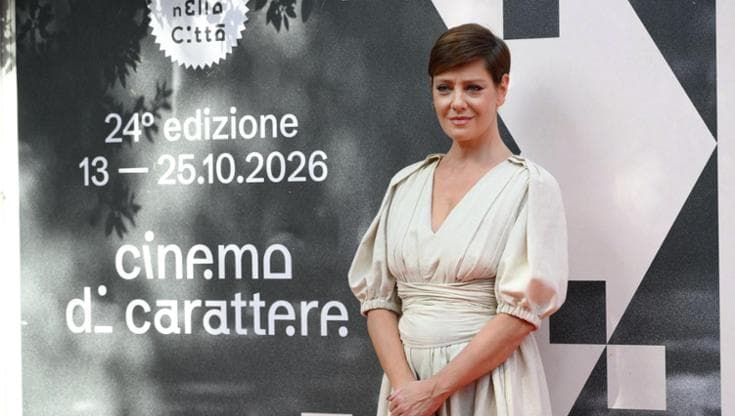
An iconic actress
marginalised
by a stereotype
of beauty