
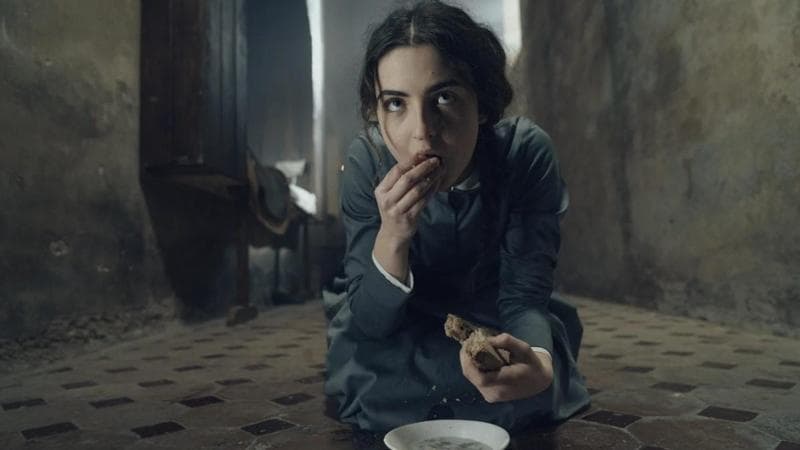
ROME – Artificial intelligence has already entered the writers’ room. It does research, translates scripts, corrects typos and suggests solutions. And it is training itself to replace the writers. Silvio Soldini takes a bleak view: “Little by little, we’re handing over all our knowledge to that thing. And we’ll hand over our ability to do things too, because it’s much easier just to tell it: you do this. At some point, I think humanity will no longer be capable of doing these things itself.”
On La Maddalena, where Annamaria Granatello brings together some of the leading names in Italian film and television for the Solinas Award, three generations of writers describe their relationship with the new technology.
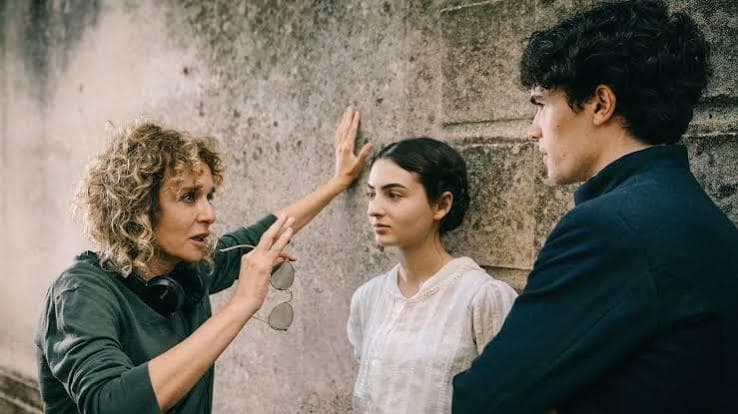
It starts with the practicalities. Stefano Sardo, screenwriter of The Invisible Boy and The Art of Joy, compares it to GPS: “You can get feedback when you’re on your own. You might ask it: if I were a painter in Napoleon’s time, who would my patron be?”
It can speed up research, help find a plausible detail or translate: “I write a script in Italian and half an hour later I have it in English. These are enormous time-savers.”
It is a different matter when AI enters the relationship between writer and editor: “I sometimes get notes that have clearly been produced using AI. And that really pisses me off. The relationship between a writer and an editor should be a dialogue. If what I’m getting from the other side is the sum of every possible mind, averaged out to please me, I’m not interested.”
Ippolita Di Majo (Leopardi, Fuori) even questions the idea of using AI to make the work less laborious: “I come from academia. For me, doing research is a pleasure.”
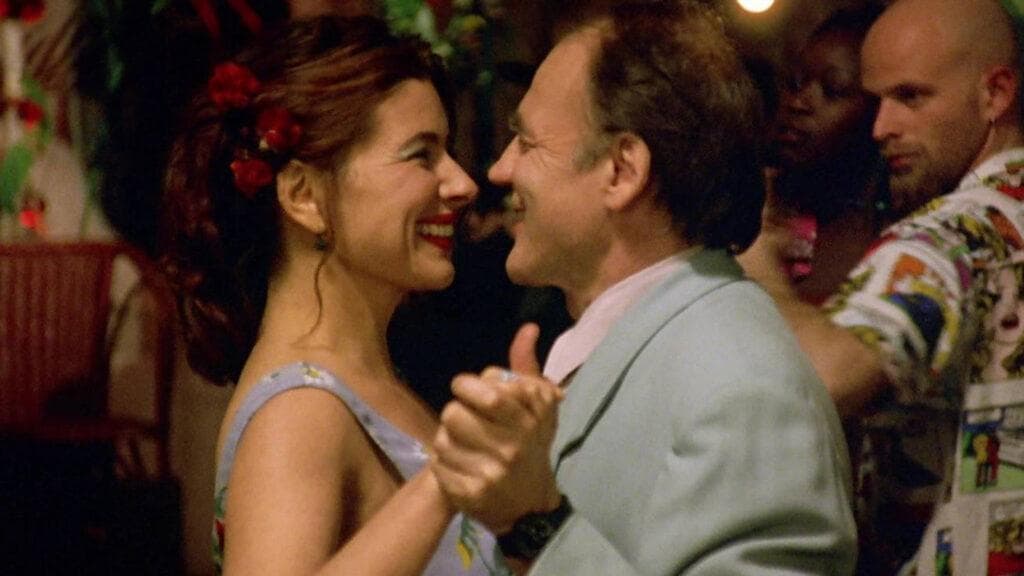
Doriana Leondeff (Bread and Tulips) first became interested after watching younger colleagues use it while working on television series. Then she tried it herself: “It takes a lot of time to get results. You have to work at it, train it.” When she was working on one character, she says, “it kept suggesting the same solution and I would say: no, that’s a cliché. The first option it gives you is enough to make your heart sink. If you establish a dialogue, you can get somewhere.” For her, it is above all a question of culture and knowledge: “The more tools you have at your disposal, the better you can manage AI. Otherwise, you’re exposed.”
On creativity, however, there is broad agreement. Producer Riccardo Tozzi, founder of Cattleya, points to the very nature of the technology: “We all use it to help us. But as a creative substitute, I’ve seen no sign of it. It’s a probabilistic technology. What we do, when we succeed, is precisely about escaping what is probable. Creativity lies in that departure from the expected.” An AI-generated screenplay, he says, “is recognisable. But the danger is that mechanical texts will be produced and we’ll get used to reading them.”
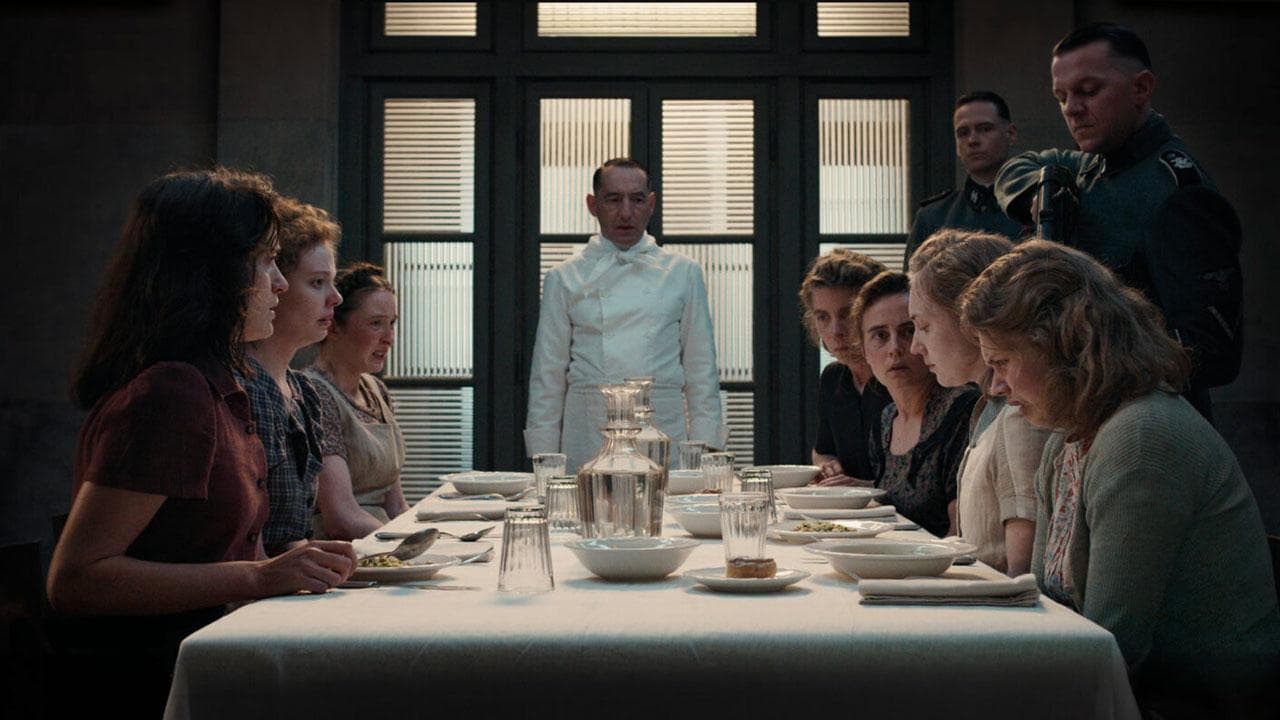
For Ilaria Macchia, screenwriter of The Tasters, too, “the risk is normalisation." Federica Corti, who won Solinas Experimenta Serie with Michela Nuti for Mèsa — about a singer who leaves the stage for a job at the post office — uses AI only as a “digital eye” to catch typos at the end of the day: “Creatively, it’s useless. It strips away any spark. When I realise that certain forms of writing are typical of chatbots, I change the way I write.” Nuti has another concern: “We don’t know how it will evolve. The risk is an impoverishment of thought.”
Then there is the question of rights. Leondeff describes the ongoing tug of war between writers and platforms over contracts and the use of their work. Michele Pellegrini, a screenwriter and vice-president of Writers Guild Italia, looks to Europe: “We need strong institutions behind us. AI has to be monitored and kept in check; otherwise intellectual property will suffer.” The European AI Act imposes obligations on copyright and transparency over the content used to train AI models. In the US, the Writers Guild has established that AI is not a screenwriter and that AI-generated text does not constitute “literary material”, strengthening protections in 2026 over the use of writers’ work to train AI.
And then there is the problem of errors. While researching a series, Pellegrini came across incorrect information that he discovered was wrong only after consulting reference books. Soldini had asked AI about a 19th-century figure and “it was only when I checked that I discovered it had merged two different people into one”. For him, even when AI gets things right, it remains a threat: “We won’t be able to do things ourselves anymore; we’ll have no choice but to ask these aliens. And then we’ll be screwed.”
The translation of this article was reviewed by a Language Service Provider