
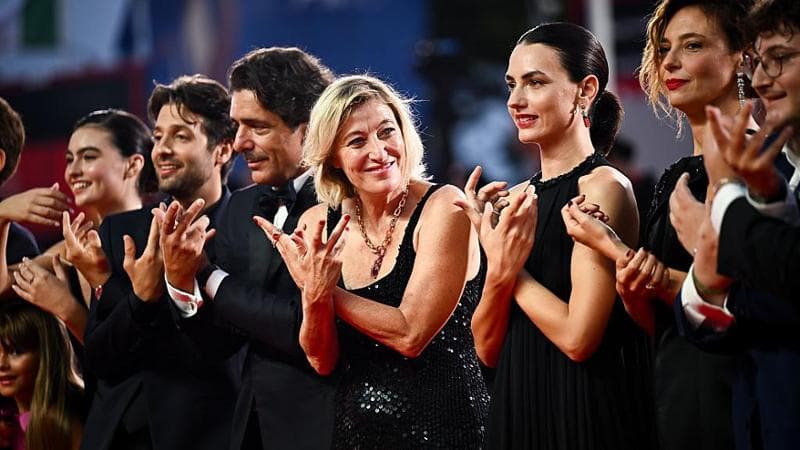
ROME — The new generation of Italian cinema appears on Zoom from a Los Angeles hotel room, wearing a white T-shirt and glasses, his hair tousled. Paolo Strippoli, 33, was asleep when he received a call at his hotel behind the Kodak Theatre, telling him there was an emergency.
“I thought: Has someone died? Has something happened? Fortunately, something wonderful had happened.”
His film The Spiral, a family thriller blending melodrama and horror, had been chosen to represent Italy in the race for the Academy Award for Best International Feature Film. “I’m incredibly emotional, almost overwhelmed.”
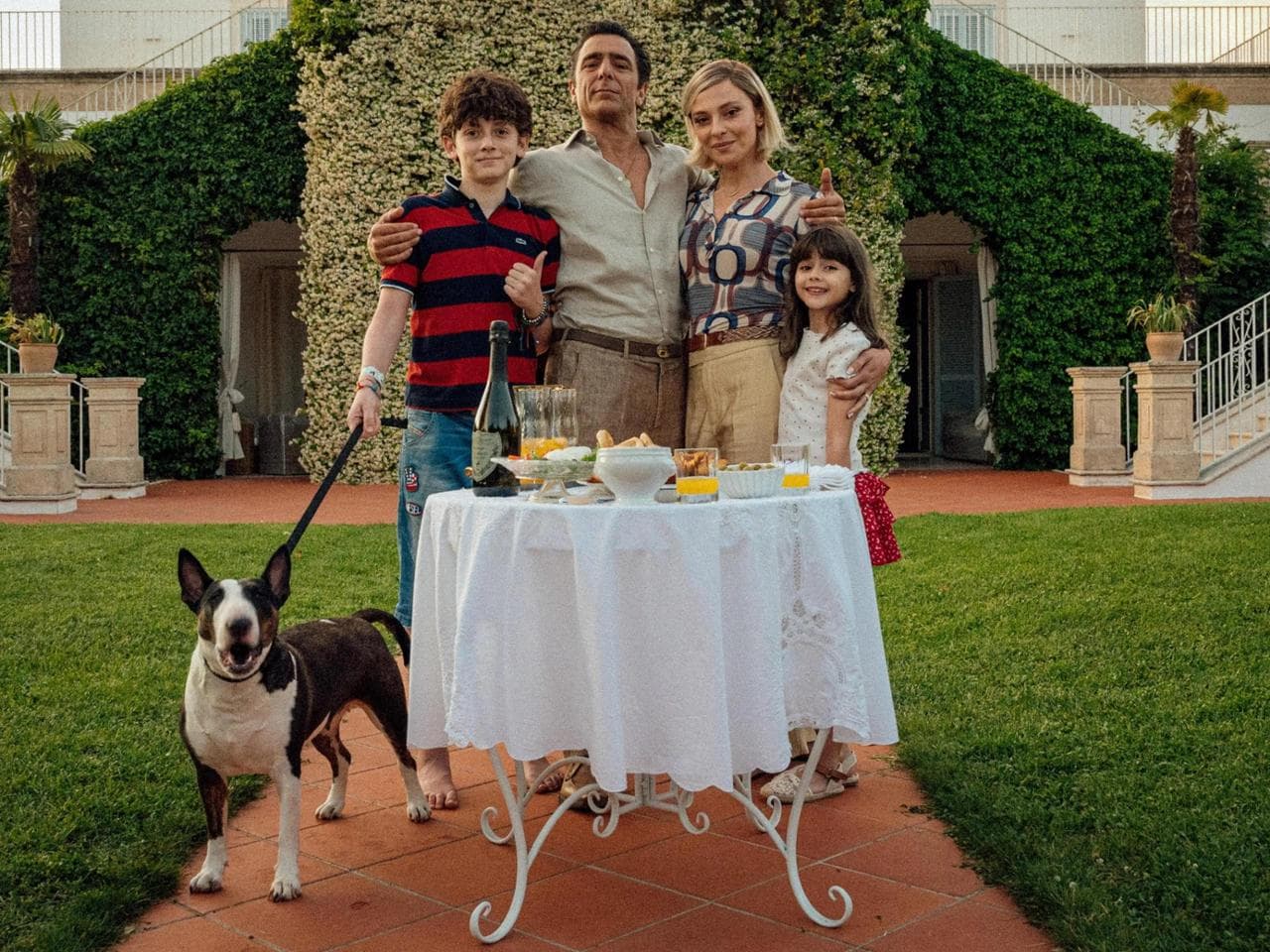
The decision also carries a generational message, one that the selection committee established by Anica, Italy’s film industry association, for the 99th Academy Awards made explicit in its statement. It described L’estranea (the original title of the movie) as a fresh genre film by a young director at the beginning of his career who has already won acclaim from audiences and critics both in Italy and internationally.
The committee, which met in the presence of a notary, comprised Giorgio Carlo Brugnoni, Cristina Comencini, Federica Lucisano, Francesco Melzi D’Eril and Niccolò Vivarelli. The Spiral was selected from 21 films, including Nanni Moretti’s It Will Happen Tonight and Gabriele Muccino’s Things We Don't Say.
For Strippoli, the significance of the decision goes well beyond his own success.
“It sends an incredibly powerful message. I hope this doesn’t remain an isolated case and that the decision-makers in our industry take notice. Sometimes it feels as though there isn’t room for everyone in Italian cinema, as if ours were a small industry. But it’s actually a very large one, and as soon as we venture beyond our borders, the diversity of our cinema is recognised.”
He is not suggesting that younger filmmakers should displace the directors who came before them.
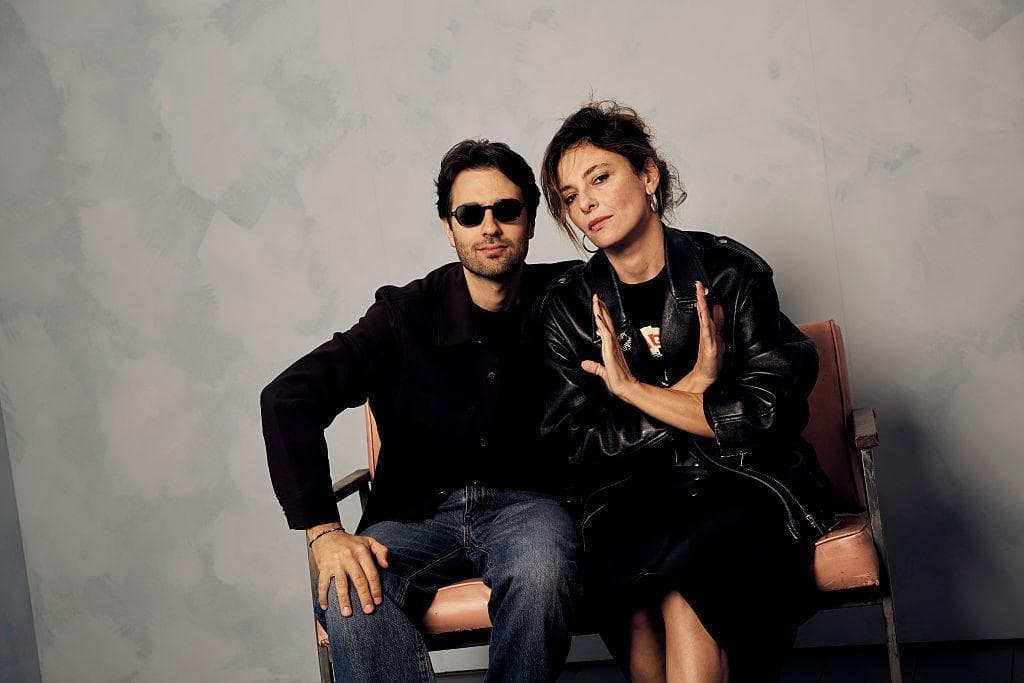
“This isn’t about putting directors in their thirties ahead of the great masters or more experienced filmmakers. It’s about allowing them to coexist. I think that’s important,” Strippoli continues. “It helps make the fact that a director in his thirties has made four films seem less exceptional. I feel privileged, but I shouldn’t have to. Filmmakers in their thirties deserve to have their own voice and the opportunity to build a sustained career. Trust is what makes that continuity possible, and I think it’s been somewhat lacking for years.”
From A Classic Horror Story, which he co-directed with Roberto De Feo, to Flowing, The Holy Boy and now The Spiral, Strippoli has consistently turned to genre cinema as a way of exploring contemporary life. He sees particular significance in the decision to choose a thriller with horror elements to represent Italian cinema.
“I think it’s been many, many years since we submitted anything that plays with thriller and horror conventions. That’s another reason why the decision seems so unexpected and so bold. And the fact that I’m 33 certainly makes it even more special. I’m deeply moved by this vote of confidence in the film, and therefore in me.”
Why does he think the film might make it into the final five nominees?
“Because it speaks to the world we live in today. It blends genres, tones and styles, and I think that’s precisely where contemporary cinema is heading: towards hybrid forms, with a certain degree of recklessness. If the film is entertaining despite dealing with weighty themes and underlying ideas, it’s because it was born out of a profound love of cinema as an art form. Perhaps that will help. We’ll see whether it makes the final five.”
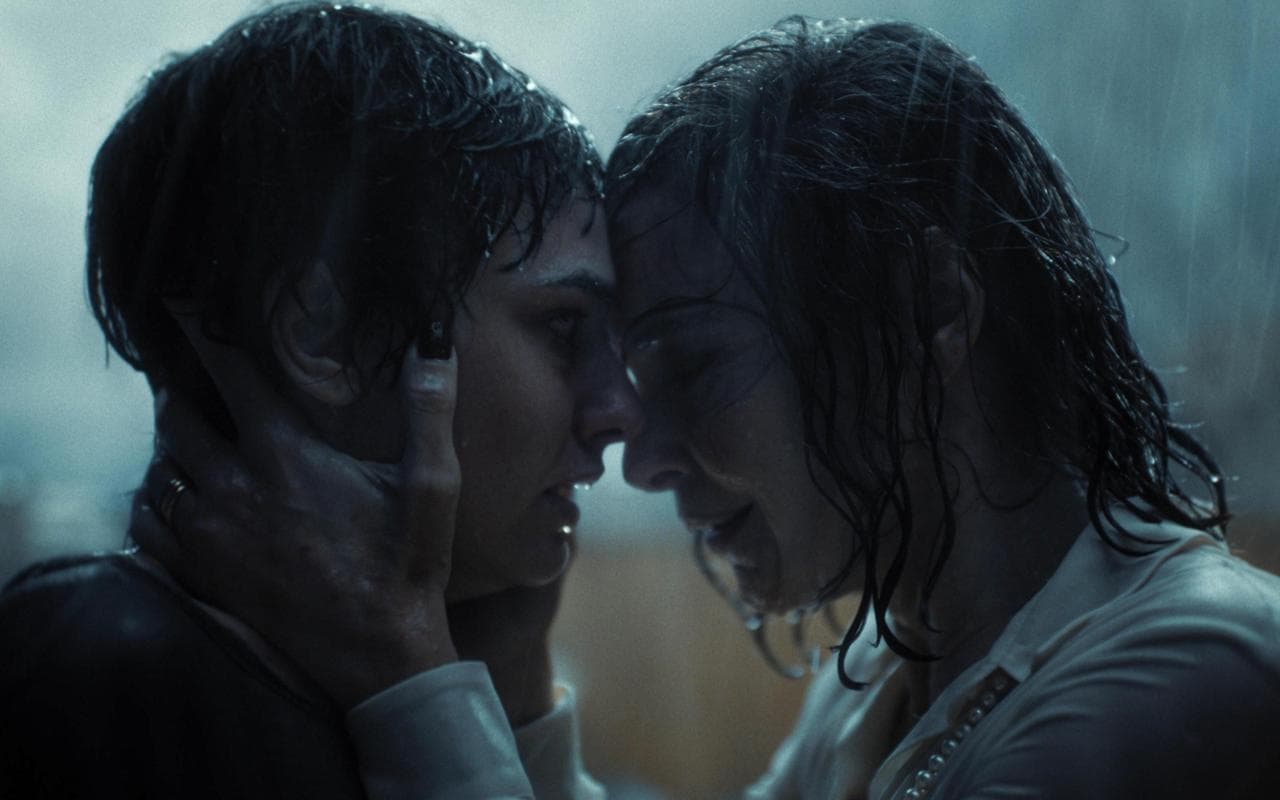
Written with Salvatore De Chirico, The Spiral revolves around a family and a pact. Jasmine Trinca plays Anna, the mother of Alice, played by Romana Maggiora Vergano. To understand the secret that divides them, the story takes us back to Bari in the late 1990s, when Anna and her husband Walter, played by Adriano Giannini, appear to lead the perfect life of a wealthy family.
Then an accident puts their daughter’s life in danger. A mysterious outsider, played by Valeria Bruni Tedeschi, appears and offers Anna a chance to save her daughter. But salvation comes at a price.
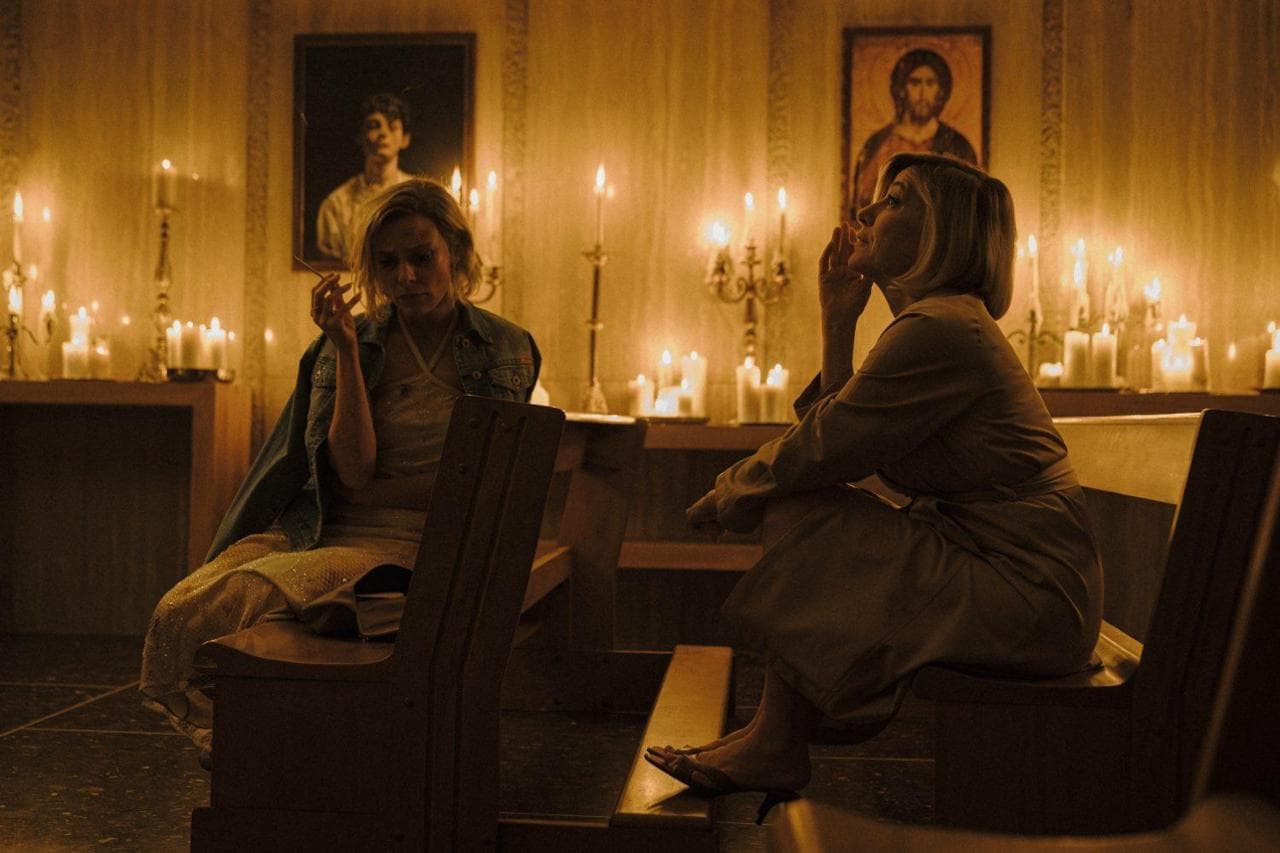
Strippoli insists that the film is profoundly Italian, precisely because it embraces melodrama.
“Italian cinema is in my DNA. This film is rooted in a particular kind of melodrama, but I inject it with darker, more sinister genre elements and tragedy. It depicts a very specific world and period. It begins on Ferragosto, the Italian summer holiday, in 1999, and focuses on the nouveau riche of that time and place: Bari, during that particular summer.”
It is precisely this specificity, he says, that has resonated with audiences outside Italy.
“I think that, compared with some of the films selected in the past, this one has a few more rough edges, a little more brutality. I don’t know whether that will pay off. But I’m profoundly happy that this darker side of the film is being given a chance on such an important stage.”
The film’s international journey is already under way. After competing at the Venice Film Festival, The Spiral was the first runner-up for the People’s Choice Award in the Midnight Madness section at Toronto.
The film’s producer, Marina Marzotto, says its festival tour will continue over the coming weeks, with a screening at Busan on October 9, followed by Chicago, among others. The Korean premiere, in an arena seating more than 3,000 people, sold out in less than an hour. The film will be released in Italy on October 8 by 01 Distribution.
Now another race begins: the American awards campaign. Strippoli explains what prompted him to make the film in the first place.
“I love this film deeply. It grew out of a desire to explore this distinctly Western narrative that tells us we can determine the course of our lives and shape our own destiny. Then we come up against the reality that life happens without asking our permission, and terrible things occur. It’s a film about mental health and the expectations placed upon us.”
Behind the horror lie deeply personal fears.
“Everything I write, I write because I’m afraid. I’m afraid of so many things, which means I still have plenty to say and plenty of demons to exorcise. In this film, I explore my fear of loss, of losing control, of chance and of the madness into which we’re thrown.”
He is equally determined to defend the creative freedom that made the film possible.
“Nobody asked me to write it. I wrote it because I thought it was a wonderful story, and I was completely true to the kind of cinema I love. Nothing was calculated in advance, and thanks to producers who gave me complete freedom, there were very few compromises.”
He was joined by actors with far more experience than his own.
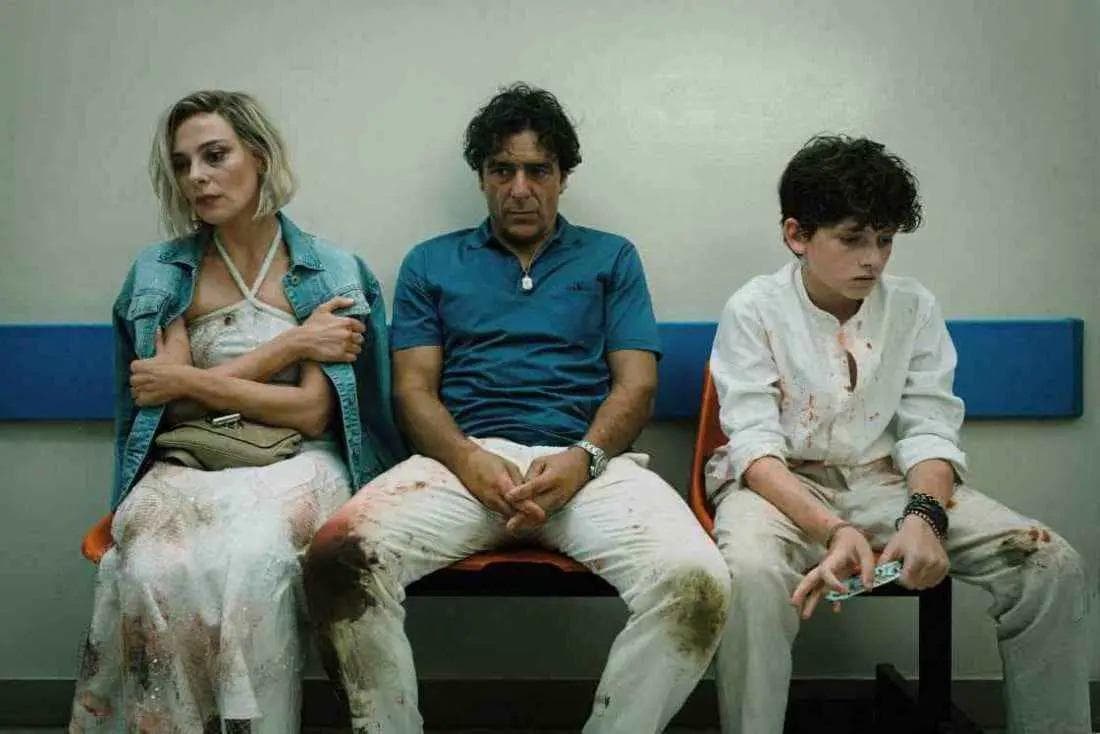
“They threw themselves into the project with a generosity that genuinely moved me. They had the courage to put their trust in me, a guy in his thirties with ideas that can sometimes be a little bizarre.”
His crew, meanwhile, has grown up alongside him.
“They’re people I went to film school with, and my screenwriter has been a friend since childhood. They’re the true soul of the film.”
Strippoli believes that same creative freedom is essential if Italian genre cinema is to develop and flourish over time.
“Today, the new auteur cinema is genre cinema: films that mix things up, that embrace hybrid forms and transformation.”
From Los Angeles, he sees a paradox: the very filmmakers still regarded as niche directors in Italy are attracting some of the greatest interest in America.
“People here talk to me about very young directors, about Carolina Cavalli, Laura Samani and Gabriele Mainetti. Studios and producers are paying enormous attention to them. We should stop treating these creative voices as something exceptional and truly bring them into our industry.”
But building an audience, he argues, takes more than quality. It requires consistency.
“If we want to revive horror cinema in Italy, how can we do that by releasing one film every two years? It would be better to have three films, even if two are bad and only one is good. Audiences will gradually get used to hearing Italian, regional dialects and different accents in these extraordinary, absurd situations again.”
He also believes Italian cinema risks doing itself a disservice by constantly defining itself in terms of crisis.
“We’ve been through some difficult years, but there’s tremendous strength in Italian cinema. If audiences are constantly being told that everything is going badly, why would they want to go and see an Italian film? We’re shooting ourselves in the foot.”
Meanwhile, the US awards campaign is beginning to take shape. Producer Mattia Odone reveals that discussions are under way with a major American distributor.
Paolo Del Brocco, CEO of Rai Cinema, who has overseen previous Oscar campaigns, identifies two crucial ingredients: an American distributor who believes in the film and a director capable of promoting it.
“Oscar campaigns are won over dinner,” he says.
Strippoli, he adds, “has tremendous energy and knows how to talk about cinema extremely well.”
Yet when asked what kind of filmmaker he hopes to become, Strippoli returns to the concerns of his generation.
“The other day, someone asked me: What’s your dream? Every director has a dream project. And I replied: But I’m thinking about my next film.
“Right now, I can’t possibly know where I want to end up or who I want to take inspiration from, because what I want to explore are the anxieties of being in my thirties. How I see life, the world and politics at this particular moment.”
The world around him, he acknowledges, is an ugly place.
“Very much so. And if I do this job, it’s because I’ve always found reality unsatisfying and sometimes unpleasant. I don’t have some ultimate destination I’m striving towards. I want to make sense of what’s right in front of me, the world I’m immersed in.
“Because if there’s one thing cinema does, it’s bringing a little order to chaos. And since I feel we’re living through an extraordinary amount of chaos, I want to try to find a sincere way of expressing what I feel.”
The Academy will announce its shortlist of 15 international films on December 15. The final five nominees will be revealed on January 21, ahead of the Academy Awards ceremony in Los Angeles on March 14, 2027.
The translation of this article was reviewed by a Language Service Provider