
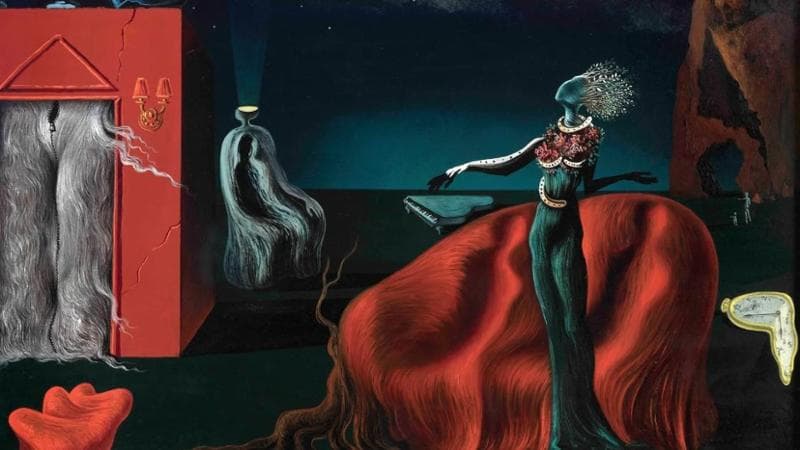
MILAN – Is there such a thing as a right to narcissism? In the age of social media, self-promotion is regarded by much of the intellectual world as improper, vulgar, even abhorrent. Yet despite the ever-growing ranks of improvised “content creators” — artists, writers, cultural commentators, even academics — self-promotion is often accompanied by a sense of guilt, as though it were some terrible mistake: a concession to the times, a surrender to a logic we ought instead to despise.
An antidote to shame
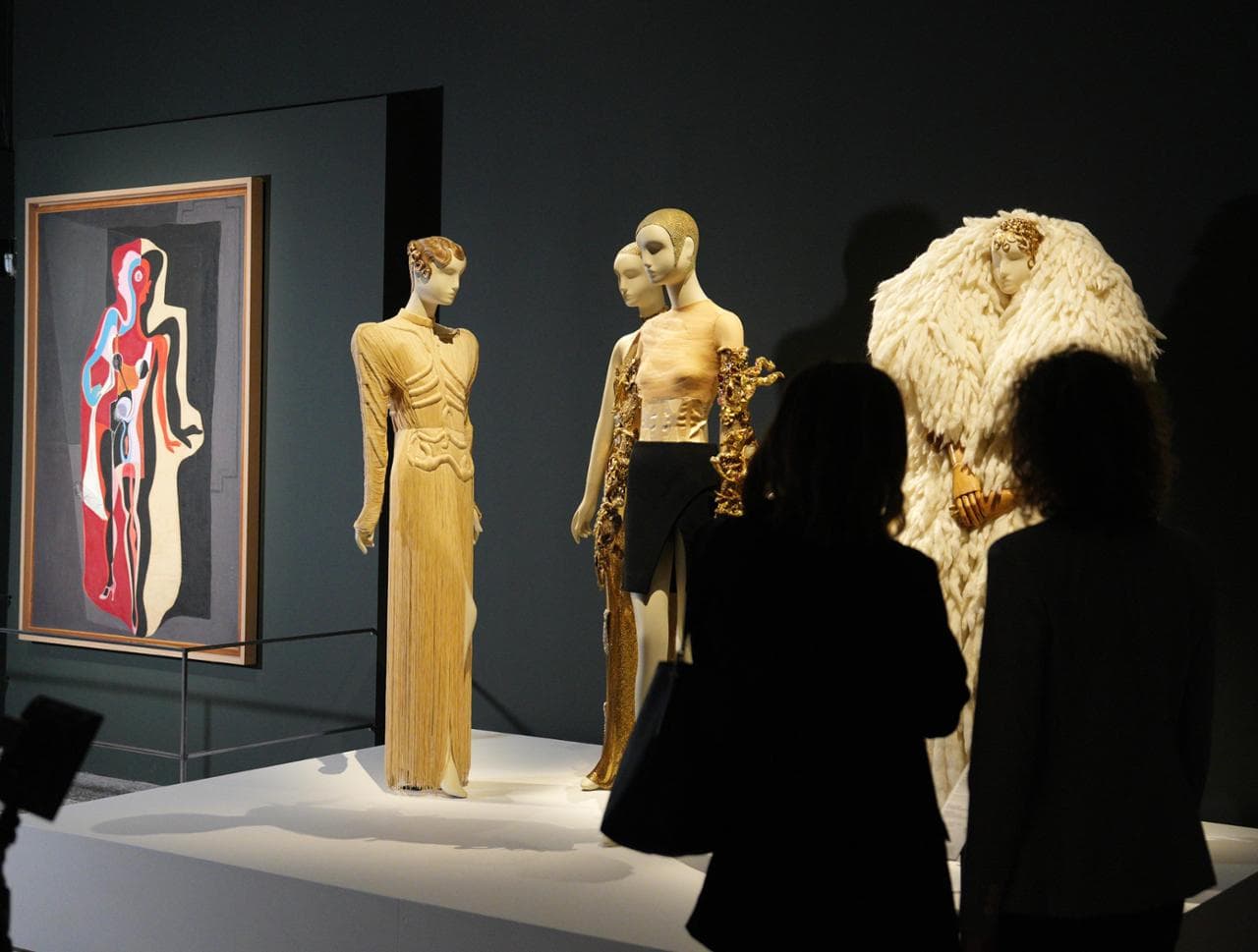
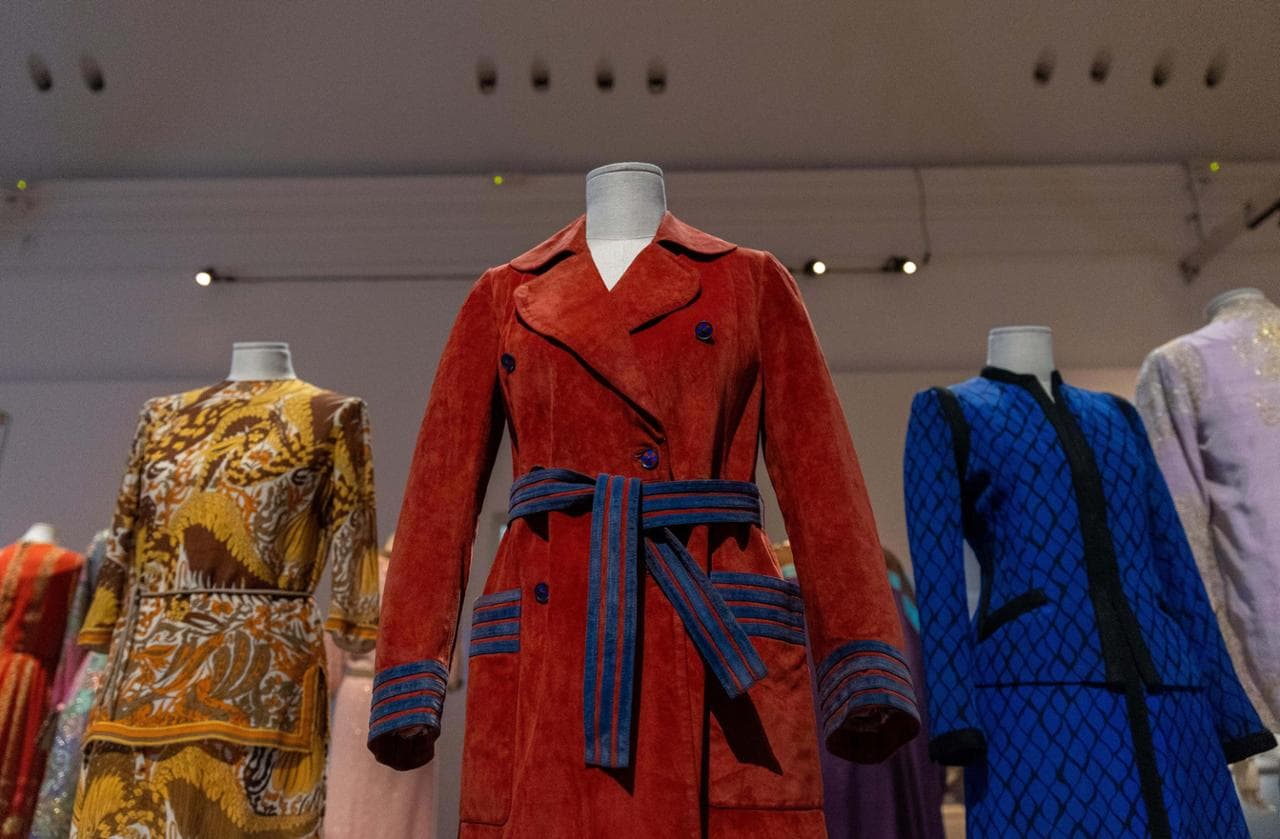
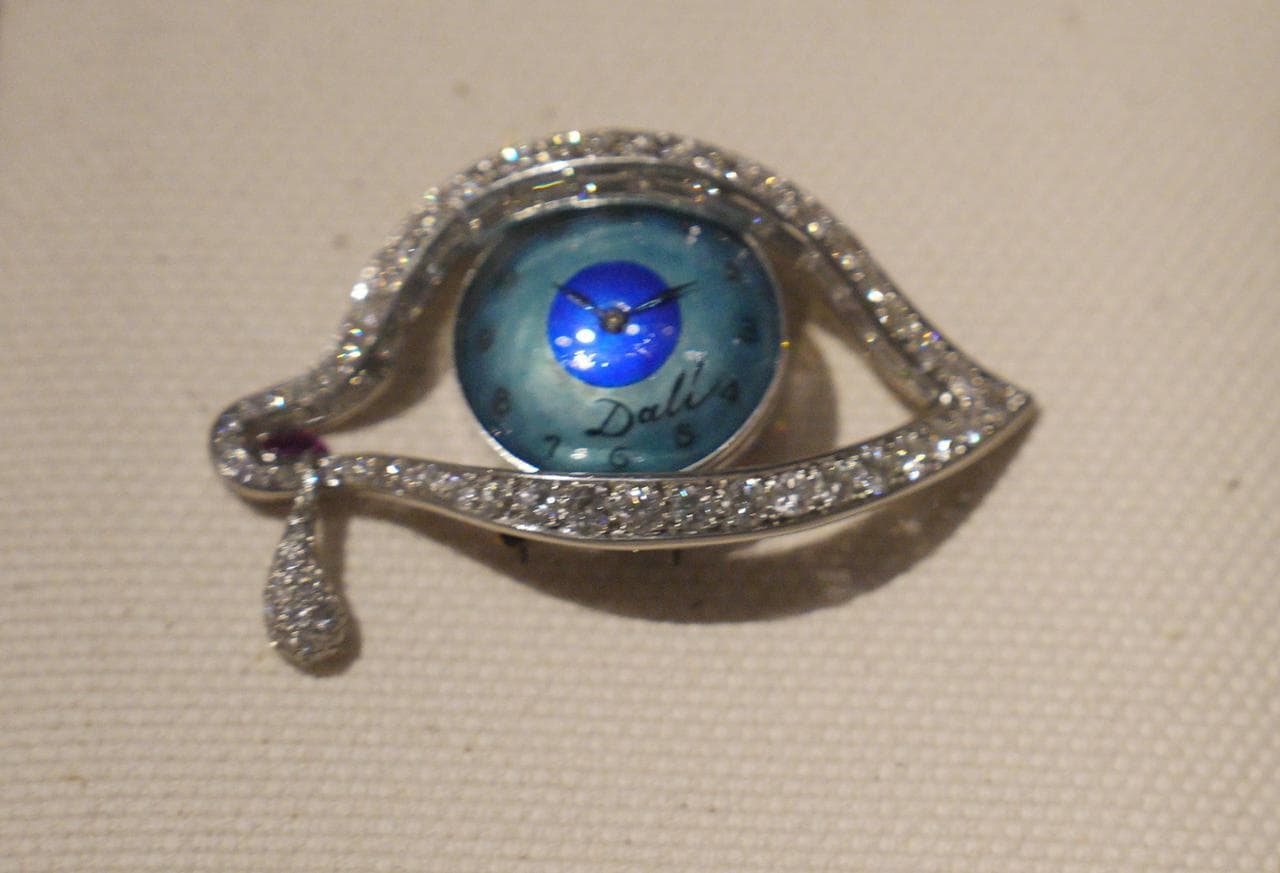
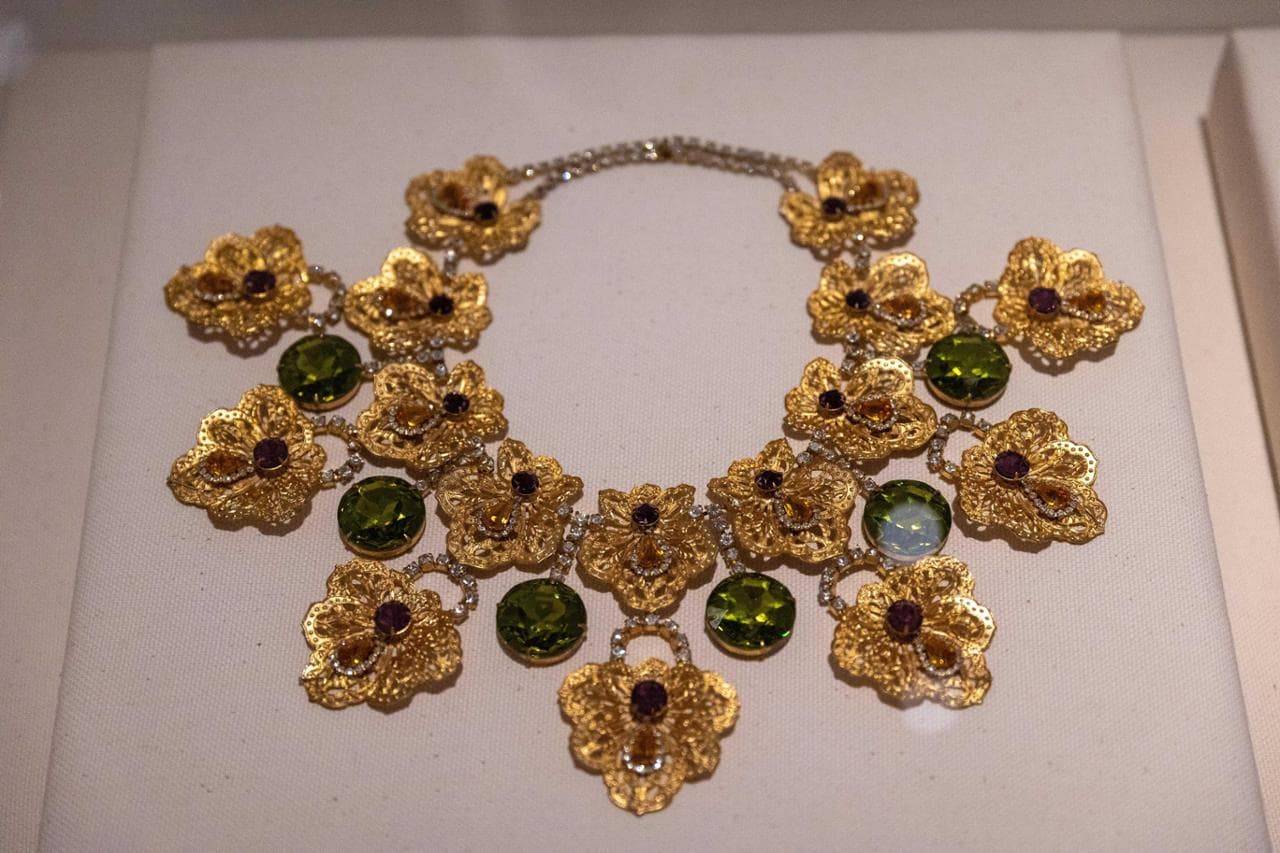
One antidote to this embarrassment might be Dalí and Fashion, the exhibition at Palazzo Reale in Milan (until January 31, 2027, curated by Laura Bartolomé and Judith Clark, with Montse Aguer as scientific director). Walking through it, I found myself wondering whether Dalí was not only a remarkable forerunner of the cultural influencer, but also a possible answer to the mediocrity of the reluctant influencer: an ancestor who can still show us what it means to meticulously construct an image, to turn one’s public persona into creative material that defies categorisation.
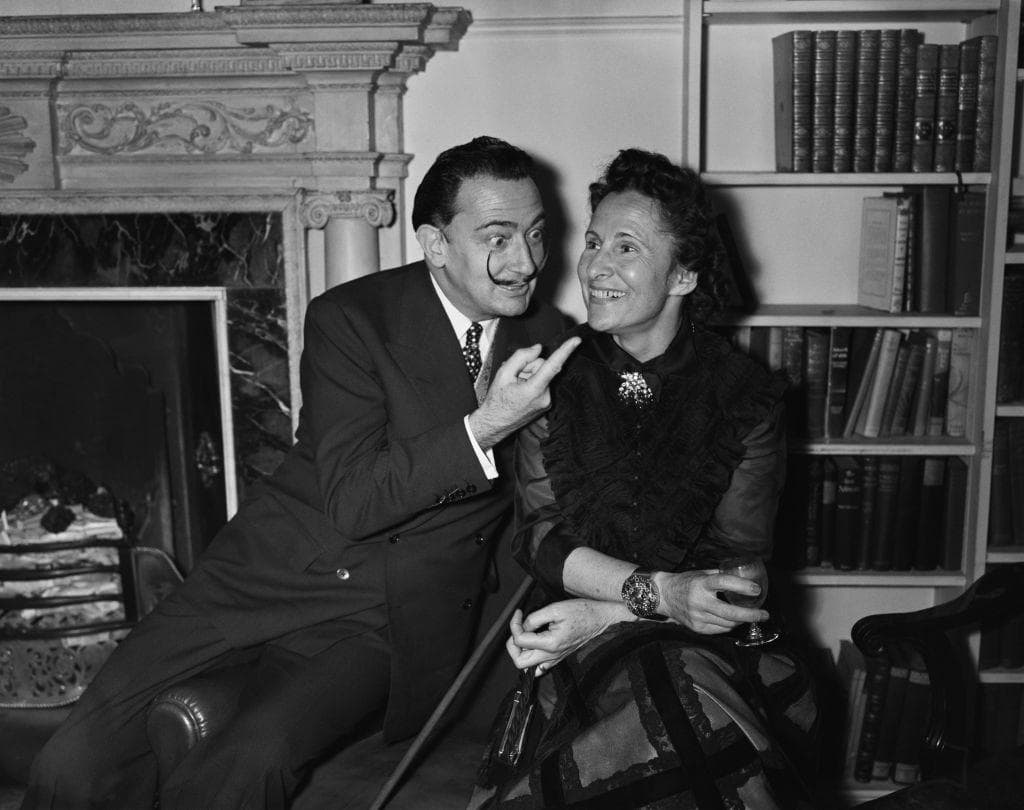
Moving through the paintings, jewellery, clothes, brands, inventions, encounters and collaborations with some of fashion’s defining figures — Elsa Schiaparelli, Coco Chanel, Christian Dior, Paco Rabanne — and, above all, his relationship with Gala Dalí, whose wardrobe occupies a large part of the exhibition, a universe emerges in which everything seems capable of being marked, signed and “initiated” into new forms of existence. Dalí has no fixed “nature”; the only thing fixed about him is change. Transformation is his sole constant.
The filters that distort our faces
Today we fear the filters that distort our faces and the deepfakes that multiply our identities. For Dalí, by contrast, masks and disguise were indispensable tools for reshaping his own image — altering it and adapting it to every new context.
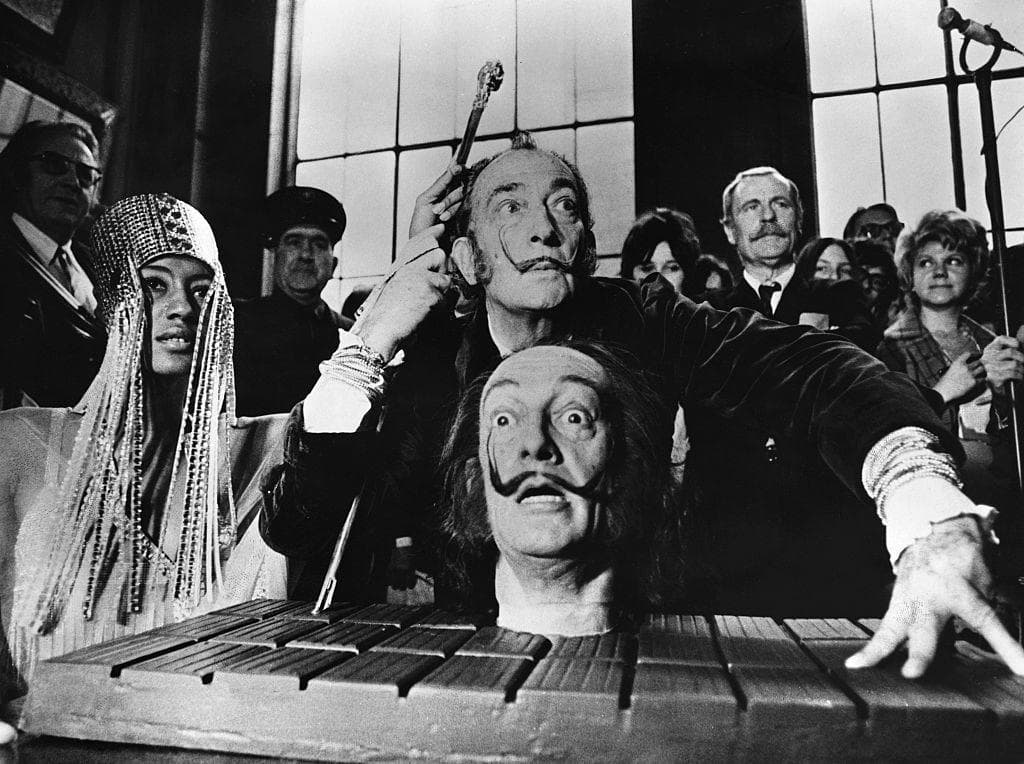
And to anyone who objects that Dalí was first and foremost an artist — asserting his superiority over the lower ranks of social-media hucksters, snake-oil salesmen and young influencers busy “promoting themselves” in the hope of carving out a space — it is worth recalling what his friend, the photographer Philippe Halsman, said of him: “Dalí is a surrealist. [...] But the most surreal of all his creations is himself. I don’t know what made him more famous: his paintings or the legend he helped create.”
Advertising pitchman, model, star of promotional films, Dalí was in every sense a man who gave himself over to the marketplace, thoroughly of this world. Long before many others, he understood the need to resist settling into a state of respectable normality and instead to invent his own spectacular persona, his own public phantom: “Very rarely in my life have I demeaned myself by wearing civilian clothes. I always wear the Dalí uniform.”
The trauma of contact with the world
Year after year, Dalí never ignored the trauma of contact — of contamination — with the world. Instead, he chose to turn every incident into an event, staging and theatricalising his life until it became a succession of public appearances. Dalí himself described this when writing about his move to the United States in the 1940s: “I had to change my skin at all costs, to exchange this worn-out epidermis in which I had dressed, hidden and displayed myself, in which I had struggled, fought and triumphed, for another, new skin: the flesh of my desire, of my imminent rebirth. New country, new skin.”
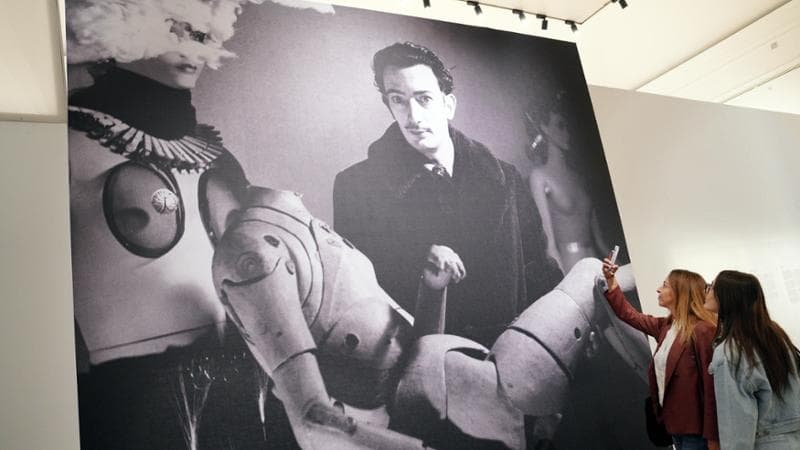
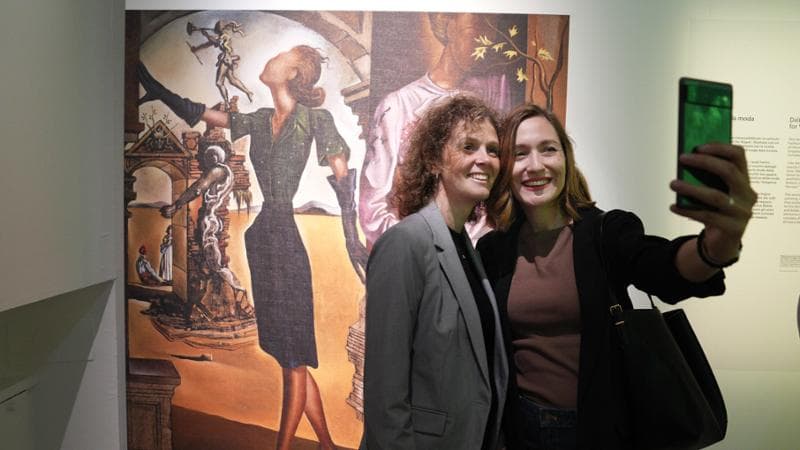
There is, of course, something profoundly provincial, even childish, about the desire to conquer the centre of the world, to be looked at any cost. An anecdote recounted by Rem Koolhaas in Delirious New York captures this perfectly.
A seven-foot baguette
When Dalí arrived in New York, he had a baguette more than seven-foot long made for the occasion. But when he landed in Manhattan, the journalists who rushed to interview him failed to ask a single question about the bizarre object tucked under his arm. The discovery was disconcerting: in Manhattan, surrealism had already become invisible.

Yet here too Dalí gives expression to an impulse that feels distinctly contemporary, echoing an age dominated — at least until the day before yesterday — by selfies and endlessly circulating icons, from the trailblazing genius of Paris Hilton to the latest generation of influencers, increasingly unable to make their mark in a marketplace that relentlessly churns out new images and new, “artificial” faces.
But Dalí had grasped something that remains relevant today: when a single appearance is no longer enough, you have to multiply your alliances, build circles and fashionable courts, create unexpected opportunities for display. It is not so different from what social media can do when it functions as an amplifier, building a network of gazes around an occurrence that makes it visible — that, in effect, invents it as an event.
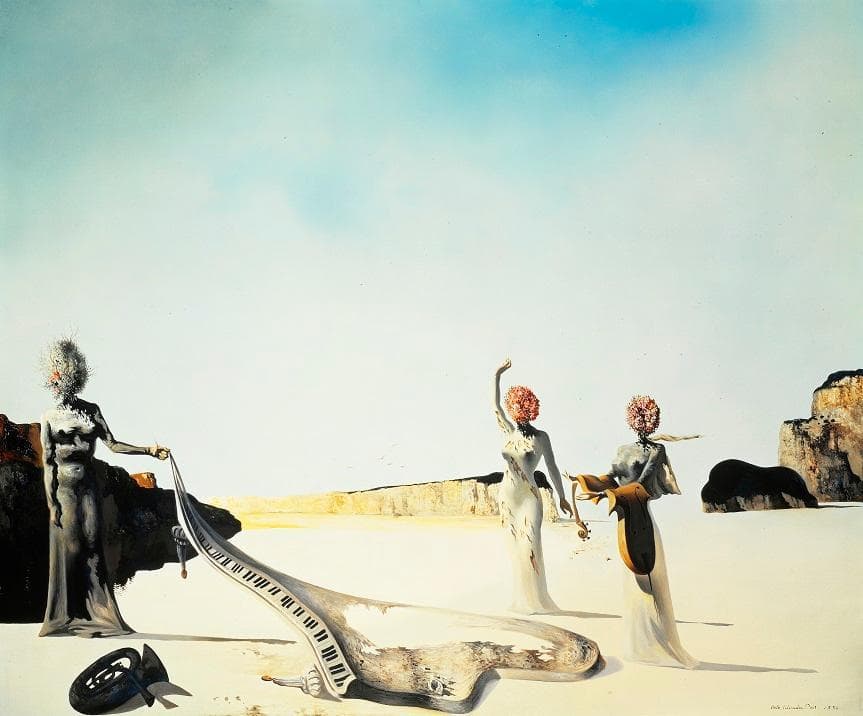
Laura Whitcomb makes a similar point in her essay for the exhibition catalogue: “Our current context of digital feeds and overlapping social circles appears not as a break with the past, but as a vast, unintended amplification of the Dalinian prototype.”
Speaking by phone, fashion theorist and curator Maria Luisa Frisa tells me of the artist’s extraordinary powers of anticipation: “Salvador Dalí is embedded in the imperfect tense of the avant-garde. Hermaphrodite being. Narcissus. A living work of art like the Marchesa Casati. A visionary genius. Capable of spreading his talent everywhere: prints distributed with mass-market newspapers, bottles of Punt e Mes, lithographs printed by the thousand. And yet pop before Warhol. Off-piste before Cattelan.”
A right to narcissism, then? When Narcissus first sees his own image reflected in the water, he does not recognise himself. Perhaps this is where the myth truly begins: not in self-recognition, but in the astonishment of confronting an image that appears strange.
The myth of Narcissus
If the myth of Narcissus has been misunderstood for too long, Dalí suggests that the true narcissist is precisely someone capable of looking at himself as though he were an alien, turning his own image into something mutable, even ecological, because it is radically intermingled with animals, plants, jewellery and clothes — in short, with everything that reaches beyond human centrality.
To love oneself as a mystery, to treat oneself as something one can never fully know: Dalí teaches us not to succumb to an identity that has already been assigned to us, but to choose it, reinvent it and reclaim it time and again, even when it becomes entangled with the marketplace and the necessity of self-promotion.
And he reminds us that the way to resist banality is, ultimately, to make convention tremble: static images, fixed identities, clothes already worn thin, incapable of surprising us or sending a shiver down our spines. Because, as Dalí himself liked to say, our first garment — our first fashion — is nothing other than goosebumps.
(Giorgiomaria Cornelio is a poet, writer, filmmaker and performer.)
The translation of this article was reviewed by a Language Service Provider