
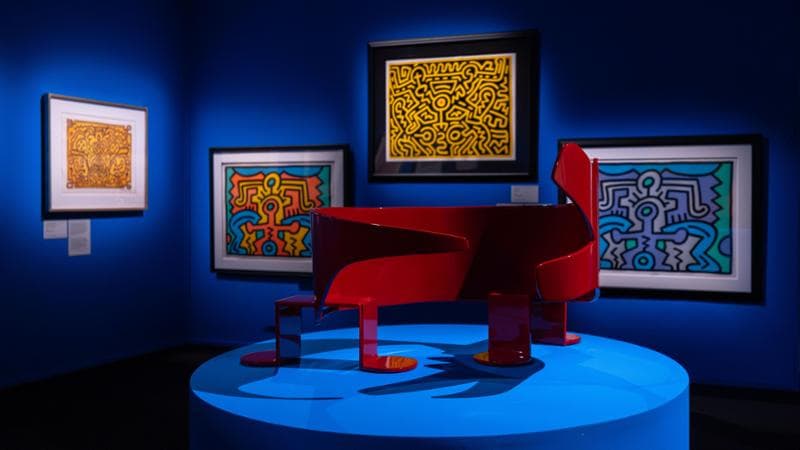
ROME – You can almost hear the rap music, the rumble of the New York subway, the hum of crowds moving through the streets of Tribeca. You can almost see a young Keith Haring at work, rapidly drawing with his chalk. Now the great pop artist is the subject of a major solo exhibition at the Museo di Roma — a symbolic return to the city that welcomed him in 1984, when he created a joyous magenta mural on the Palazzo delle Esposizioni, later erased during restoration of the façade.
The Chalkman
The exhibition at Palazzo Braschi, open to the public until 11 April 2027, has been curated by Kaoru Yanase, Ilaria Miarelli Mariani and Claudio Zambianchi. It traces Haring’s eventful and, sadly, brief career. The artist died of AIDS in 1990 at just 31.
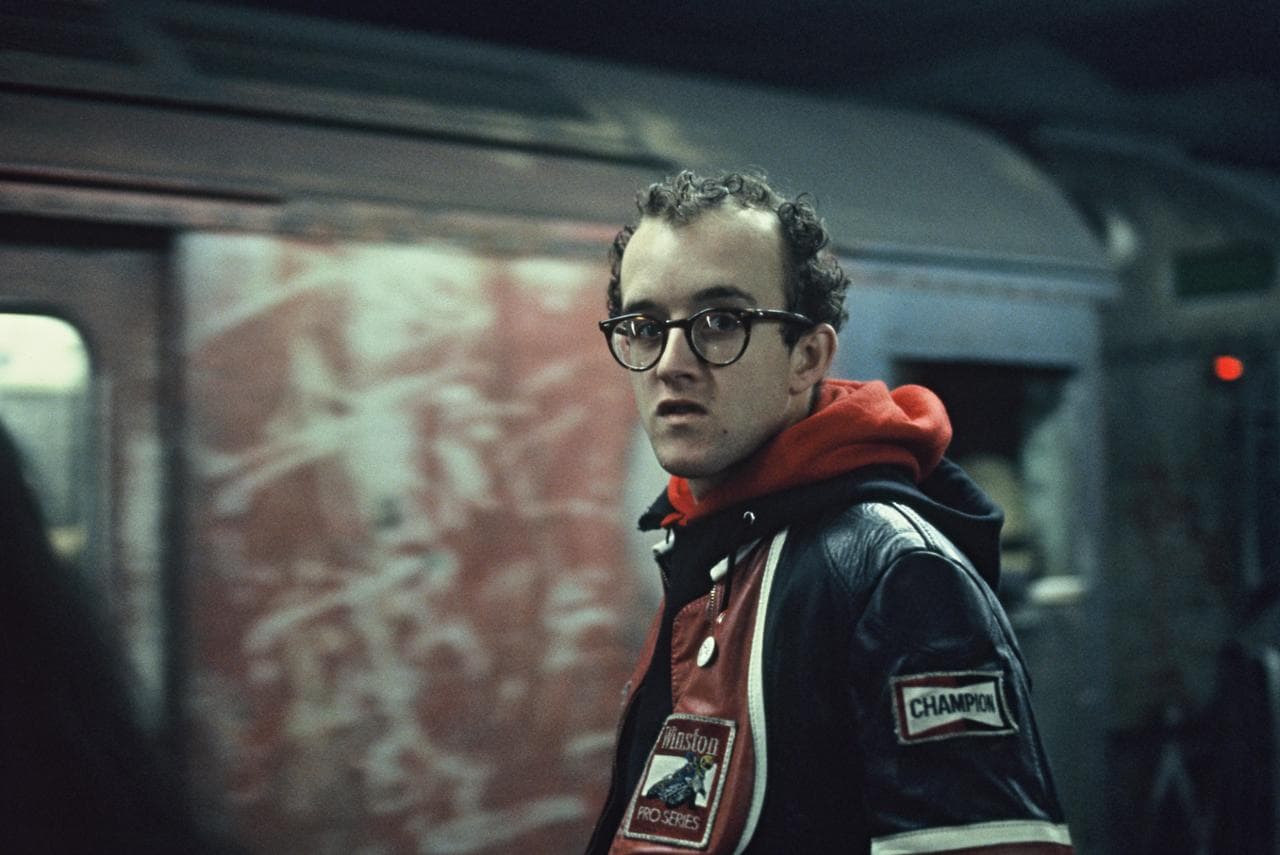
He was still a young man. And this exhibition feels like a journey through the life of a twenty-something graffiti artist: colourful, vibrant, dazzling and explosive. He was the Chalkman, frenetically covering subway stations with the symbols that would become global icons.
His art spoke to children
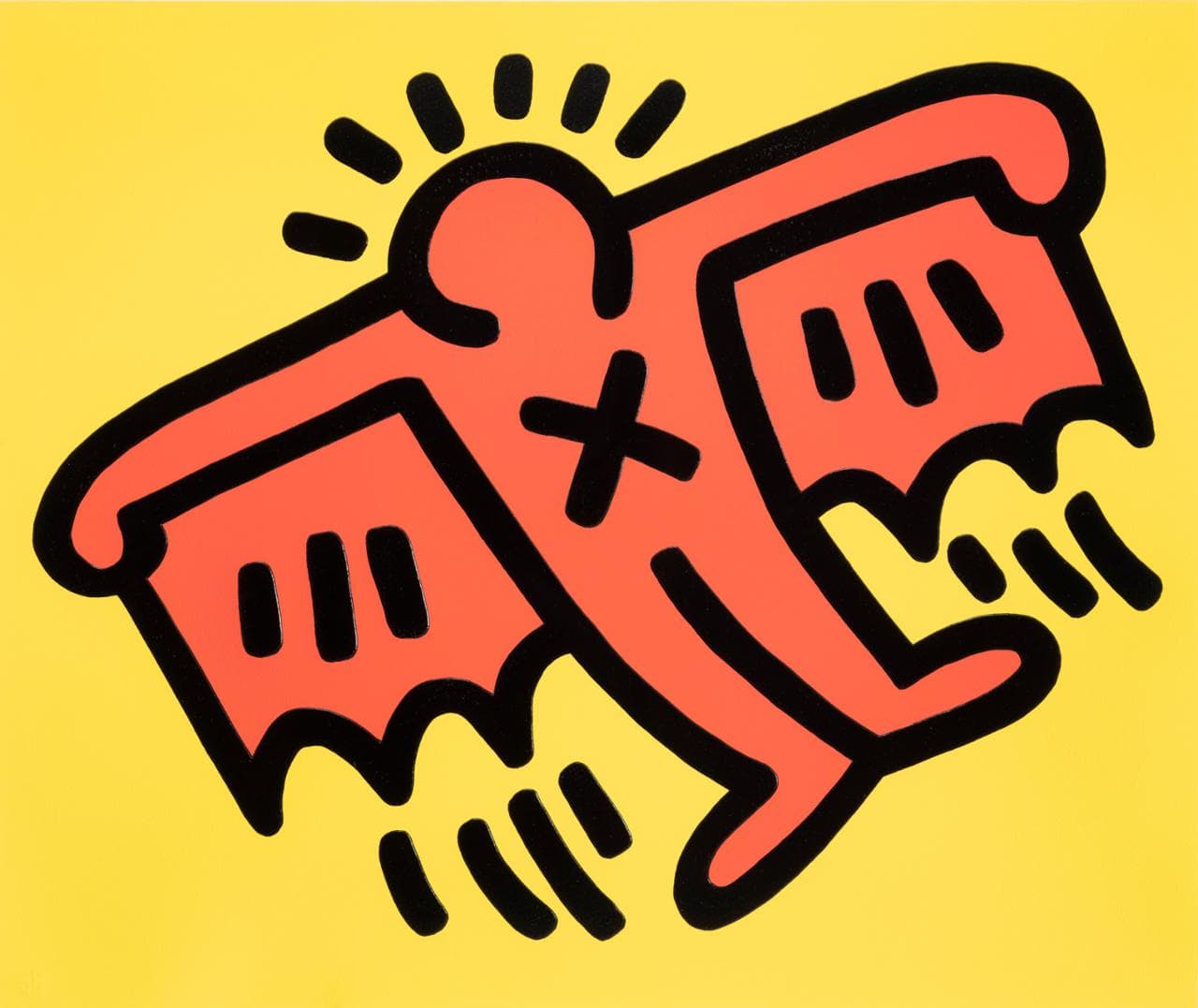
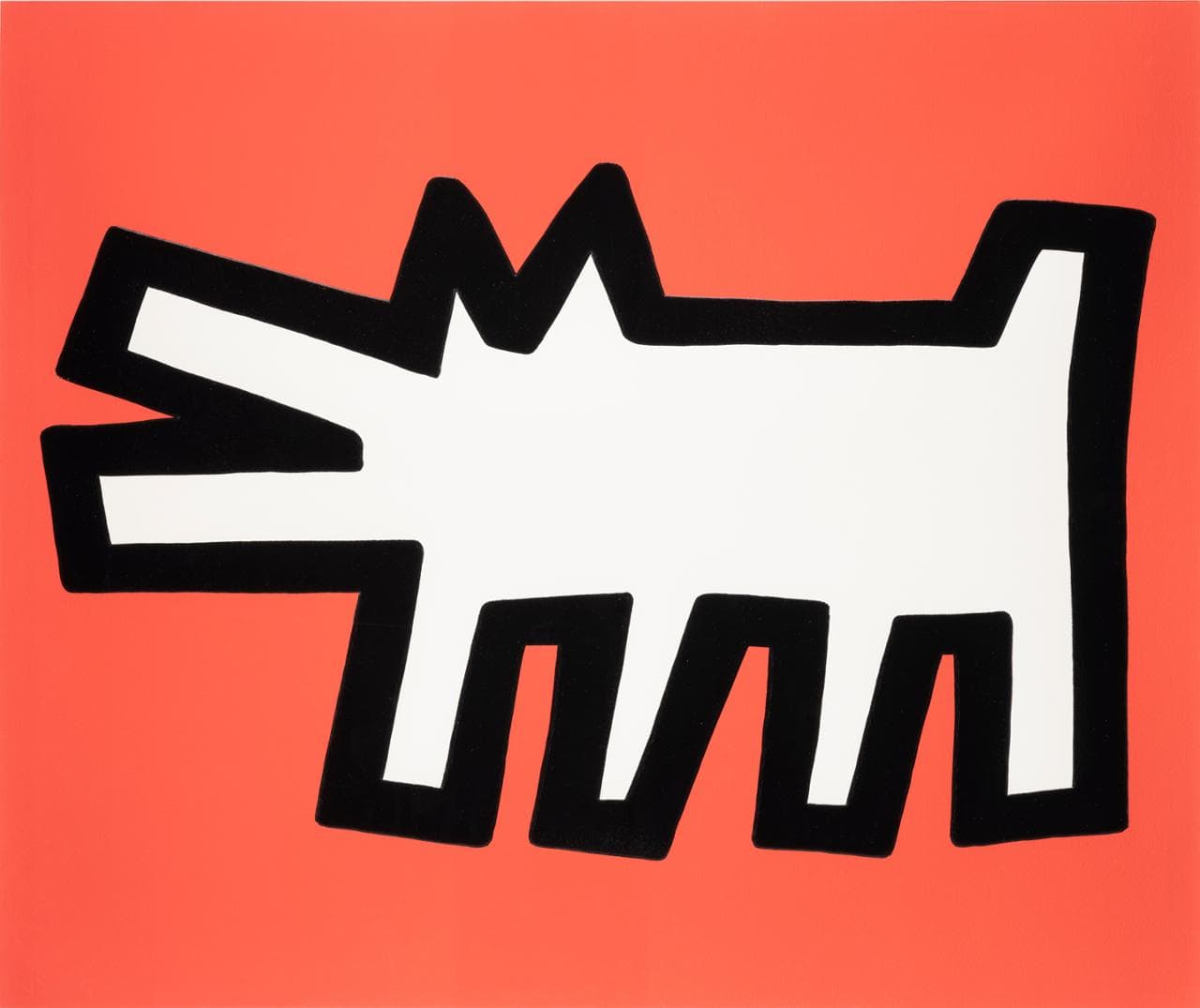
As curator Ilaria Miarelli Mariani explains: “Haring wanted above all to speak to children, which is why he used a colourful, simple language that was as universal as possible. He believed children possessed a purity that was somehow eroded as they grew up. That is why he used the Radiant Baby, one of his most important tags, everywhere. The Dog, on the other hand, represented violence, the police and obtuseness.”
She adds: “All these works — more than 140 pieces including sculptures, posters, record covers, paintings, car bonnets and a motorcycle — come together to form a manifesto for an era, and their impact remains incredibly powerful today.”
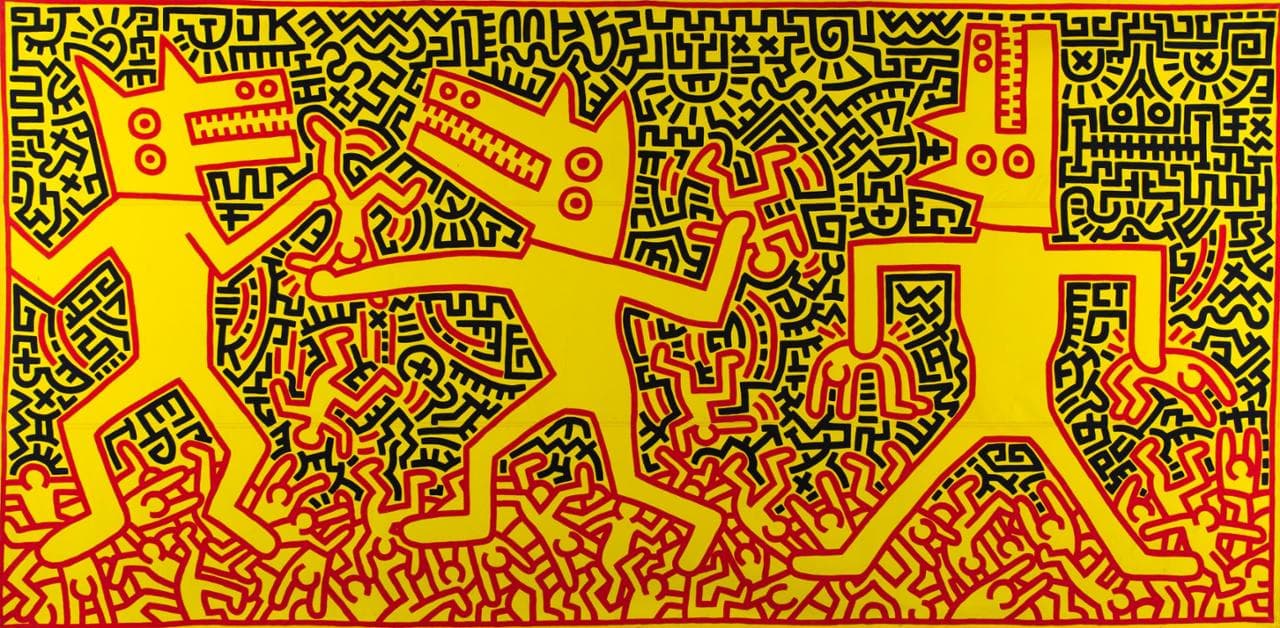
You can feel the electricity of the 1980s. Haring’s brilliant colours dominate every room of Palazzo Braschi, creating an immersive journey in which yellow, blue and red walls contrast with the historic floors and frescoed ceilings of what was once the home of Luigi Braschi Onesti, nephew of Pope Pius VI.
A visual grammar
The exhibition seeks to reconstruct Haring’s visual grammar. In Icons, the 1990 series bringing together some of his most famous figures — the Radiant Baby, Angel, Dog and Winged Man — Haring created an alphabet that anyone could read.
In the section devoted to his political and social activism, posters and works such as Free South Africa, Crack Down! and Safe Sex! turn art into powerful messages against racism, apartheid, nuclear war and AIDS.
The exhibition then moves on to Radiant Eros – Celebrate Life and works including the Bad Boys panels and the monumental Untitled from 1984, made with fluorescent pigments and displayed under black light, before reaching The Serpent, The Cross, The Angel and The Pyramid.
It culminates with Apocalypse and Altarpiece: The Life of Christ, two works in which Haring, already ill, confronts death more directly. The exhibition ends with the mantra that guided his entire body of work: “Art is for everybody.”
Museo di Roma at Palazzo Braschi, Piazza San Pantaleo 10 – Piazza Navona 2
Full price: €17. Reduced: €15
The translation of this article was reviewed by a Language Service Provider