
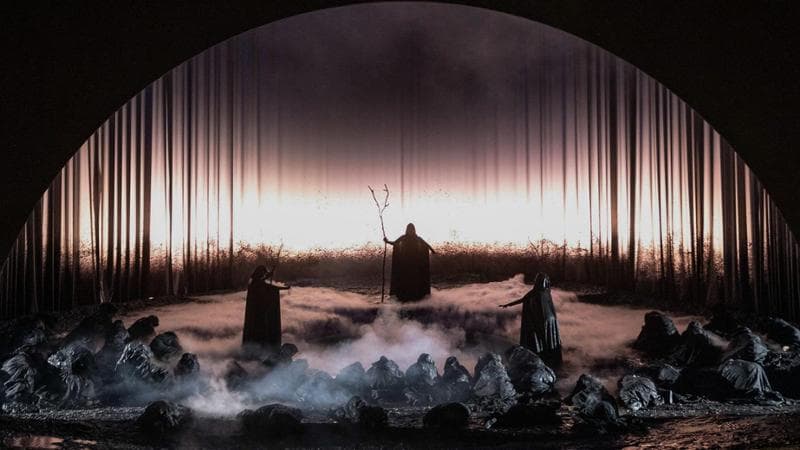
Italy’s opera season officially gets under way on December 7, the feast of St Ambrose. Milan sets the pace with La Scala, which for the past 75 years has marked the feast day of the city’s patron saint by opening its season — an event watched around the world. This time it is Verdi’s Otello, the first engagement for Myung-Whun Chung, 73, as music director, succeeding his contemporary Riccardo Chailly. Expectations are high, not least because of the Korean maestro’s authority as a Verdi conductor and the involvement of an inventive director such as Damiano Michieletto. The production also marks 50 years since Rai first broadcast a La Scala season opening live — and it was Otello then, too. Chung takes on a second Verdi opera in May: Macbeth, plunged into darkness by Australian enfant terrible Barrie Kosky.
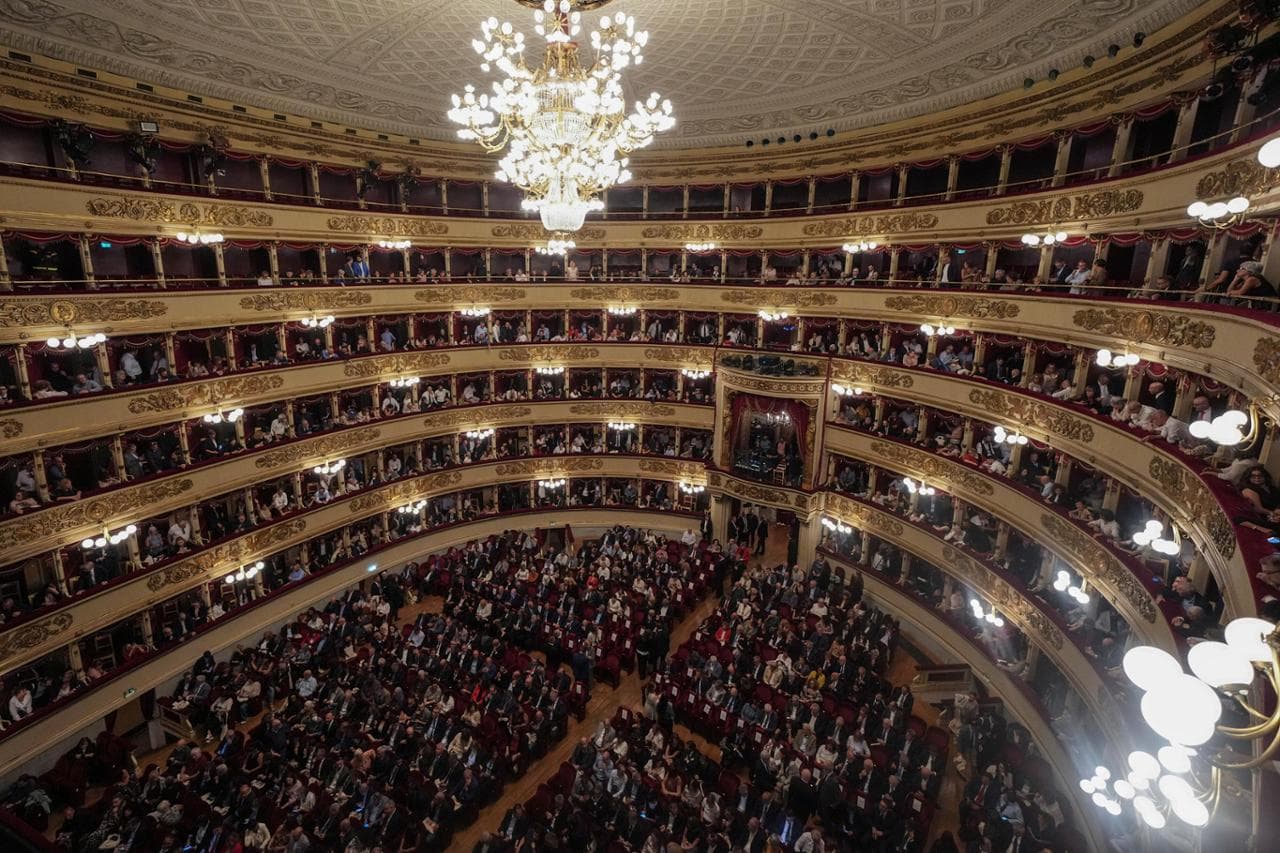
But by the time La Scala opens its season, other theatres will already be under way. In Rome, Santa Cecilia gets the season under way first, on October 21. Although primarily a concert institution, last year it embarked on a multi-year project devoted to Wagner’s Ring Cycle. Now it is the turn of Siegfried, in a semi-staged production.
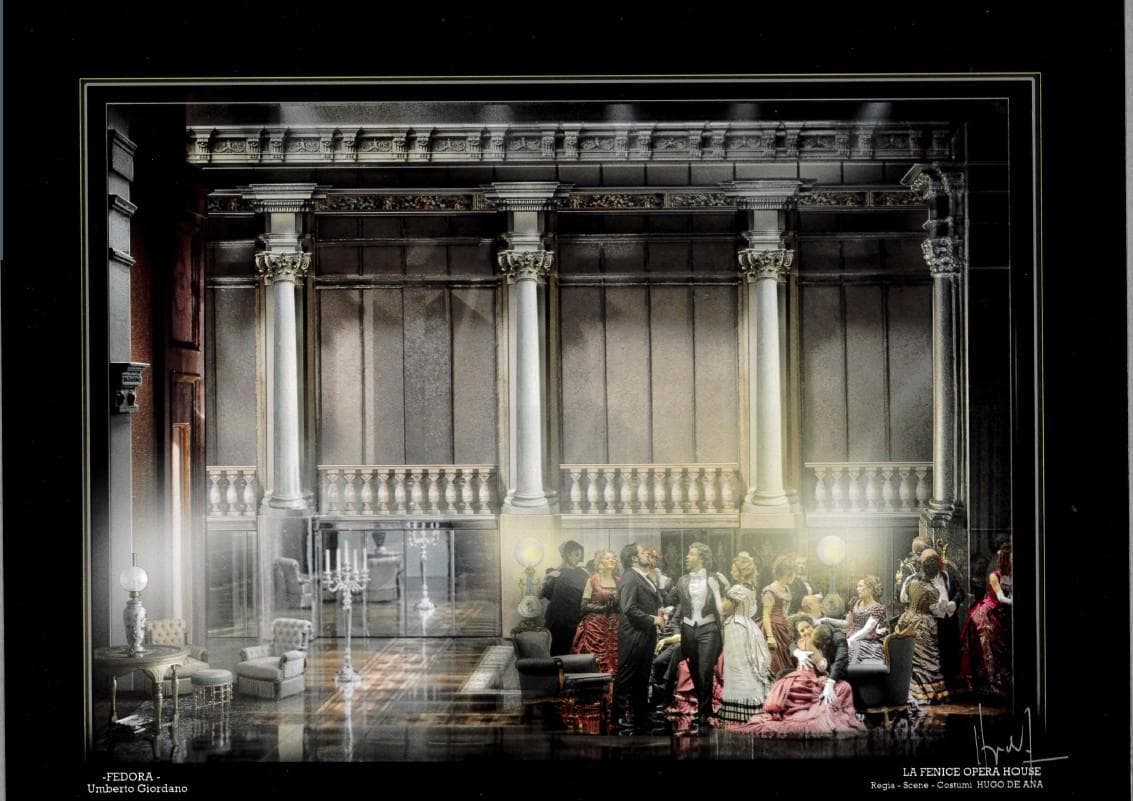
Further north, meanwhile, it is time to rehabilitate the Italian verismo opera, a genre that has not always had a good press. So in mid-November, with the Beatrice Venezi affair behind it, La Fenice opens with Umberto Giordano’s Fedora. Turin’s Teatro Regio, meanwhile, packs no fewer than four operas into the space of a few days: two by Mascagni — Cavalleria rusticana and the Japanese-set Iris — and two by Leoncavallo, Pagliacci and his ill-fated La bohème, eclipsed by Puccini’s version.
The San Carlo in Naples opens on December 2, beginning with Verdi’s Luisa Miller, premiered in 1849, followed in April by Giovanni Paisiello’s Nina, o sia La pazza per amore. Palermo’s Teatro Massimo is also looking back at its own history, celebrating its 130th anniversary in May with Verdi’s Falstaff, the opera chosen for the occasion when the theatre first opened. The high point, however, comes in February, when Riccardo Muti conducts Macbeth.
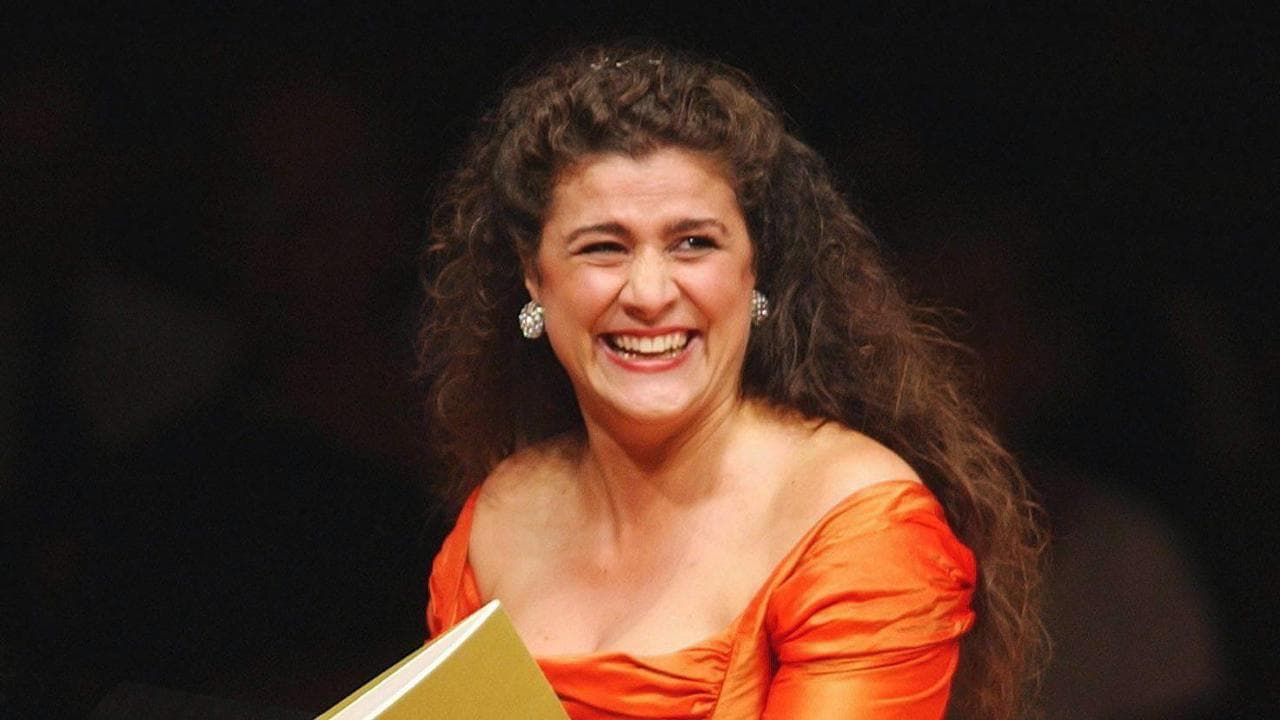
There will be celebrations at the Rome Opera too, on May 27 marking the 40th anniversary of diva Cecilia Bartoli’s debut. She will sing in The Barber of Seville, just as she did then. The season itself begins in late November, when Michele Mariotti on the podium and Rafael R. Villalobos, a director with a taste for provocation, present a mid-20th-century masterpiece, Stravinsky’s The Rake’s Progress.
A different production of The Rake’s Progress comes to La Scala in April, conducted by Chailly — a reassuring presence on the podium. It is one of the rare forays into music of the past century that Italian opera houses allow themselves. Another, again at La Scala in late June, is Nixon in China, in which John Adams, one of the fathers of minimalism, has Mao sing alongside the American president.
For music with the ink barely dry, audiences will have to wait more than a year, when Bologna’s Teatro Comunale — which returns to its restored Bibiena auditorium on Valentine’s Day — gives the Italian premiere of Accabadora, to which Michela Murgia had given her blessing shortly before her death.
Finally, Mozart’s The Clemency of Titus begins its journey at Ravenna’s Teatro Alighieri on November 13.
Production guide
The Rake’s Progress Teatro dell’Opera, Rome
Conductor Michele Mariotti takes on The Rake’s Progress for the first time, bringing Stravinsky back to the Rome Opera after an absence dating to 1968. The cast features four standout names: Lawrence Brownlee, Jennifer Larmore, Daniela Barcellona as the bearded woman and Alex Esposito, a veteran of devilish roles.(November 29–December 5)
Otello Teatro alla Scala, Milan
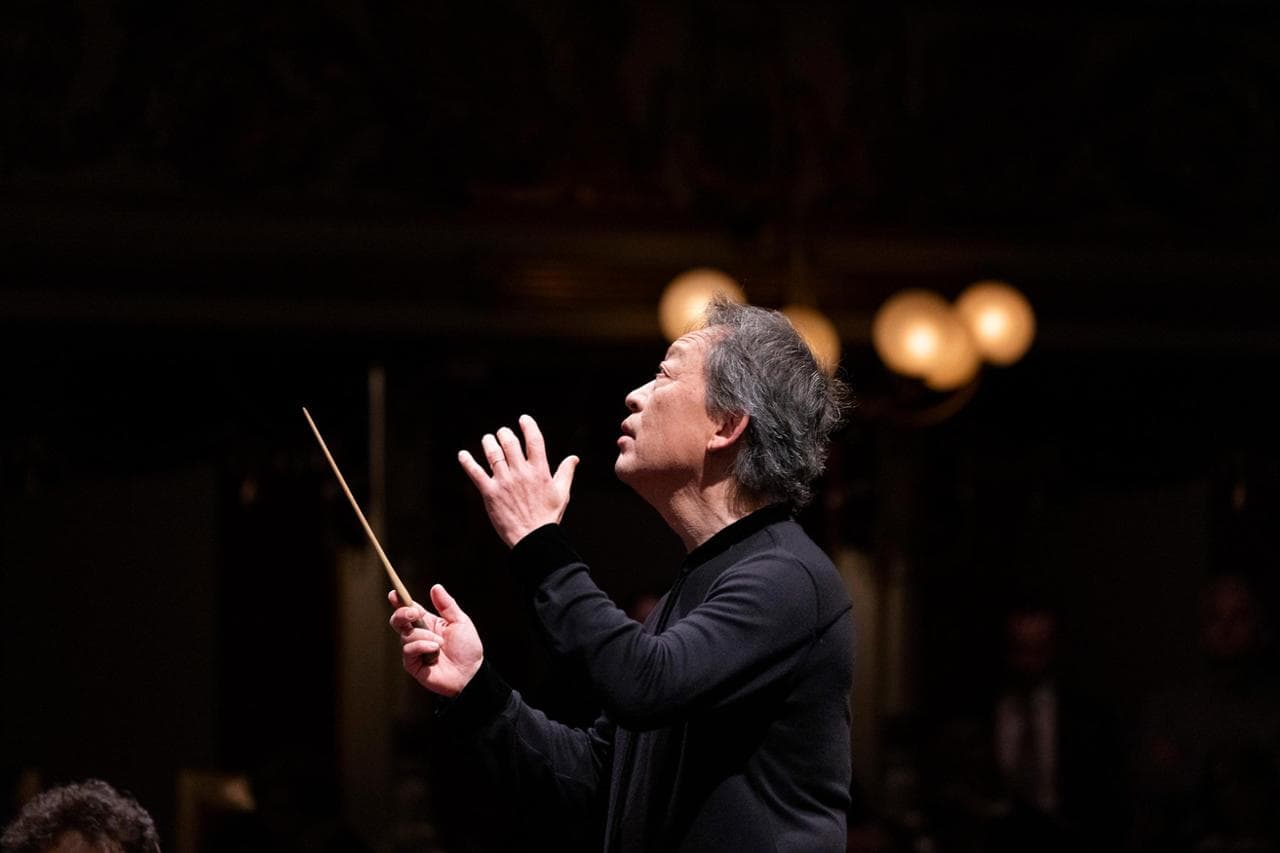
La Scala opens its season on December 7 with a live television broadcast of Verdi’s Otello. A stellar vocal trio — Brian Jagde, Eleonora Buratto and Luca Salsi — joins Myung-Whun Chung as he makes his debut as the theatre’s music director. La Scala also makes room for a contemporary classic: John Adams’s Nixon in China, in a production by Carrasco arriving from Paris.(June 26–July 13)
Siegfried Santa Cecilia, Rome
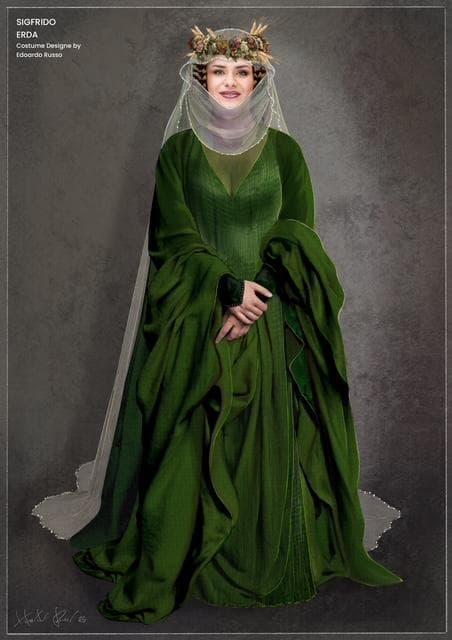
Wagner’s Siegfried, conducted by Daniel Harding, is set in papal Rome. The staging, conceived by Vincent Huguet, has been designed for the main auditorium of the Parco della Musica, a hall normally used for concerts. Clay Hilley leads the cast.(October 21–27)
Luisa Miller San Carlo, Naples
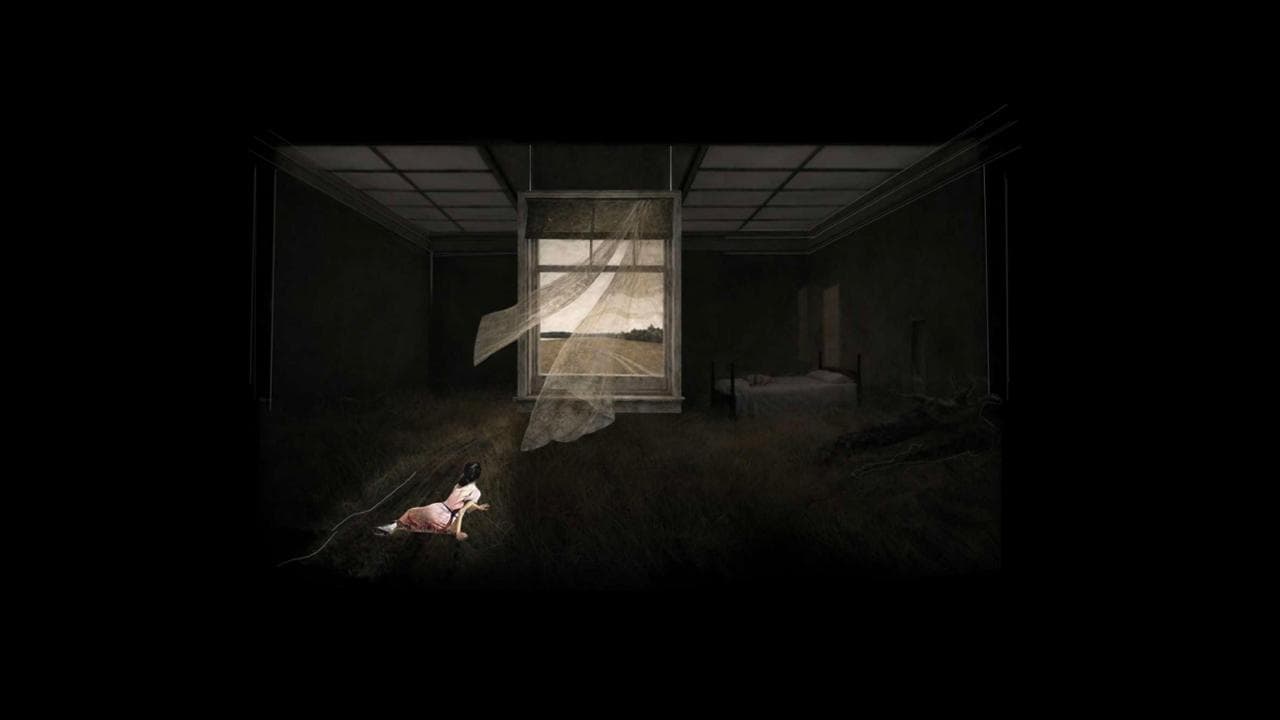
A wild moorland landscape spills into the interiors, inspired by the work of American painter Andrew Wyeth. Director David Livermore will bring these visions into three dimensions in Verdi’s Luisa Miller, starring Mariangela Sicilia and Piotr Beczała.(December 2–10)
A Midsummer Night’s Dream Maggio Musicale, Florence
Britten’s A Midsummer Night’s Dream, directed by Deborah Warren, brings to the stage many of the singer-actors who worked on the production for its Madrid premiere a few months ago. Ivor Bolton conducted then and returns to the podium now.(April 18–28)
Cavalleria rusticana Teatro Regio, Turin
The spotlight falls on four verismo scores by Mascagni and Leoncavallo. Twenty-two performances — beginning on October 15 with Cavalleria rusticana — are conducted by Andrea Battistoni, with two directors, one for each composer, whose productions are conceived in dialogue with one another: Daniele Menghini and Francesco Micheli.
Macbeth Teatro Massimo, Palermo
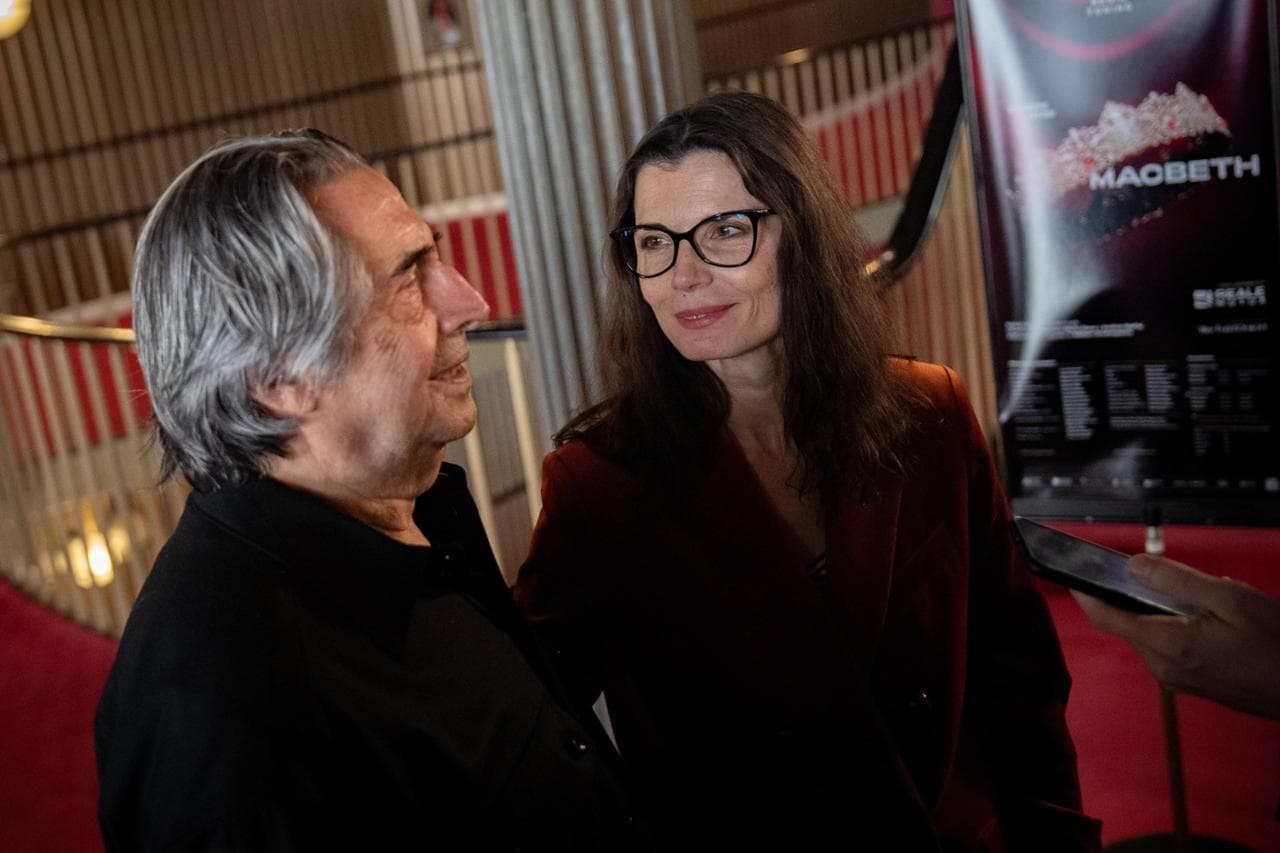
Riccardo Muti returns to the opera house. The great Verdi interpreter revives the mist-shrouded, Gothic production of Macbeth that premiered in Turin, with direction by his daughter Chiara. Kartal Karagedik and Lidia Fridman take the leading roles.(February 5–13)
The Clemency of Titus Teatro Alighieri, Ravenna

The Clemency of Titus, Mozart’s final Italian opera, is entrusted to conductor and harpsichordist Ottavio Dantone and the Orchestra Cherubini. The project begins in Ravenna (November 13–16) before travelling to Trento, touring across much of Emilia-Romagna and finally reaching Pisa in April.
This article was reviewed by an external translation partner