
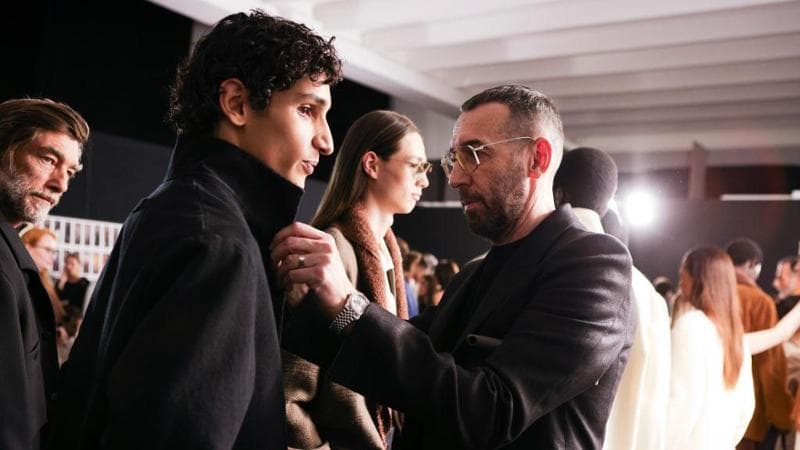
If you are born and raised in Biella, home to Italy’s greatest concentration of high-end wool mills — within an area of just 20 square kilometres, you can find them all, from Cerruti in the east to Loro Piana in the west — and your parents run a tailoring business where you spend your days watching them work, handling fabrics to understand what they are made of because you are determined to learn, chances are your future will have something to do with textiles.
“Put like that, it sounds as though I never had a choice. Yet my brother grew up exactly as I did and went in a completely different direction: he works in electronics. So there was an alternative. It just didn't interest me.”
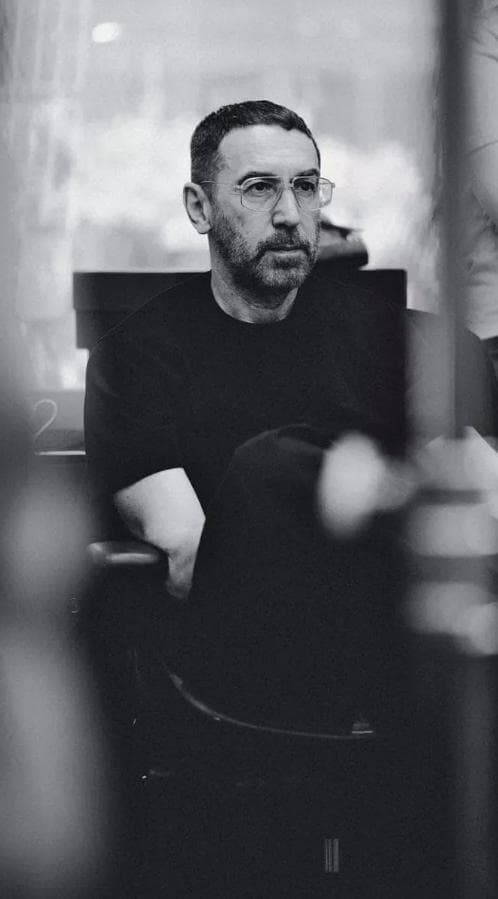
Alessandro Sartori smiles as he looks back on career path that seems, in retrospect, almost inevitable. His CV certainly helps explain how he came to be creative director of Zegna, one of the region’s most emblematic companies. Once synonymous with the finest fabrics and tailoring, the brand is now, thanks in part to Sartori, regarded as one of the most forward-thinking names in menswear.
“I was so certain about what I wanted to do that I enrolled at Quintino Sella, a local school specialising in textiles. To prepare, I spent afternoons with my mother, who taught me to recognise yarns by touch alone, with my eyes closed.”
Why luxury cannot follow fashion
That early determination has paid off. According to its latest results, the Zegna Group, which also owns Tom Ford and Thom Browne, is among the few luxury groups enjoying sustained growth. Revenue rose 6.4% in the first half of 2026, with the Zegna brand under Sartori’s creative direction leading the way.
He reflects on that success with characteristic calm and pragmatism.
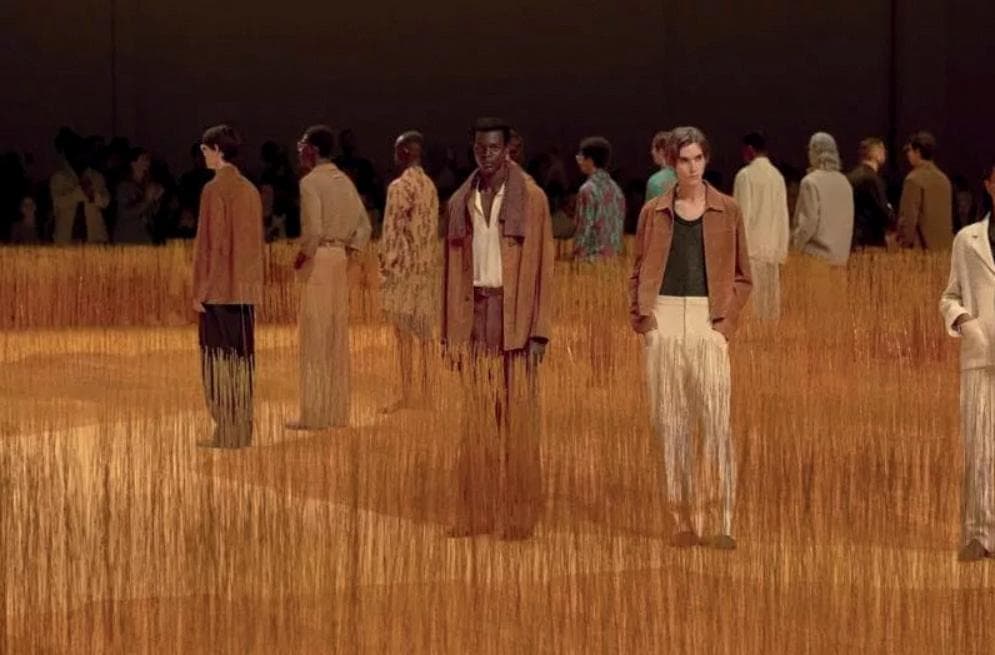
“It's not enough to have great creativity, or great merchandising, or great positioning, or excellent service, or beautiful aesthetics. You need all of them. There's no room for ‘or’. It has to be ‘and’. And there's something else: Zegna is a large, publicly listed company, but it's also run like a family business by Gildo [the executive chairman] and his sons Edoardo and Angelo, who are now co-CEOs. The decision-making chain is extremely short. Decisions are made quickly, and it shows.”
Knowing when to say no is just as important
“No to pieces designed to satisfy a passing trend or break into a particular market. No to clothes that don't reflect our philosophy. Because, and I'd stake my reputation on this, those pieces would soon end up forgotten on a shelf at the back of someone's wardrobe. If you're in luxury, you simply can't afford that.”
The wardrobe test
For Sartori, the wardrobe itself is the ultimate test of stylistic consistency.
“In my office, I have a clothes rail with pieces from previous seasons. I mix them with the new ones to see whether I'm staying true to the brand's identity. It's what everyone normally does: we don't replace our entire wardrobe every season. We add to it and update it. Nobody today wants something that makes no sense alongside what they already own.”
For him, style is about substance. And nothing offends his sensibilities more than people who dress simply to attract attention.
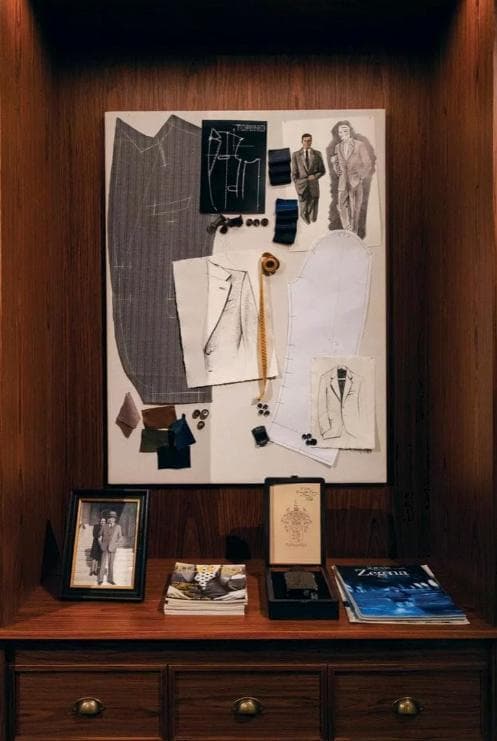
“Years ago, at the entrance to Pitti Uomo, I spotted a man tucked away in a corner, pulling an improbable white jacket and an enormous hat out of a suitcase and putting them on. He was one of those people who hang around the entrance to the exhibition halls hoping to be photographed. He was effectively putting on a costume. What does that have to do with my profession?”
It is a distinction that matters deeply to someone who has devoted his life to men's elegance.
Leaving Zegna — and coming home
Sartori joined Zegna in 1989, straight out of school. The company was based in Trivero, a place he knew well because his parents owned a small house in the village.
He spent every weekend there, looking at the roofs of the workshops peeking over the long perimeter wall surrounding the family villa and the factory. In June 2022, he staged a fashion show on those very roofs.
He has also given the name Villa Zegna to the ateliers set up around the world where customers order made-to-measure clothes. Their interiors are designed to resemble rooms in the family home from which they take their name. A way of never losing sight of one's roots.
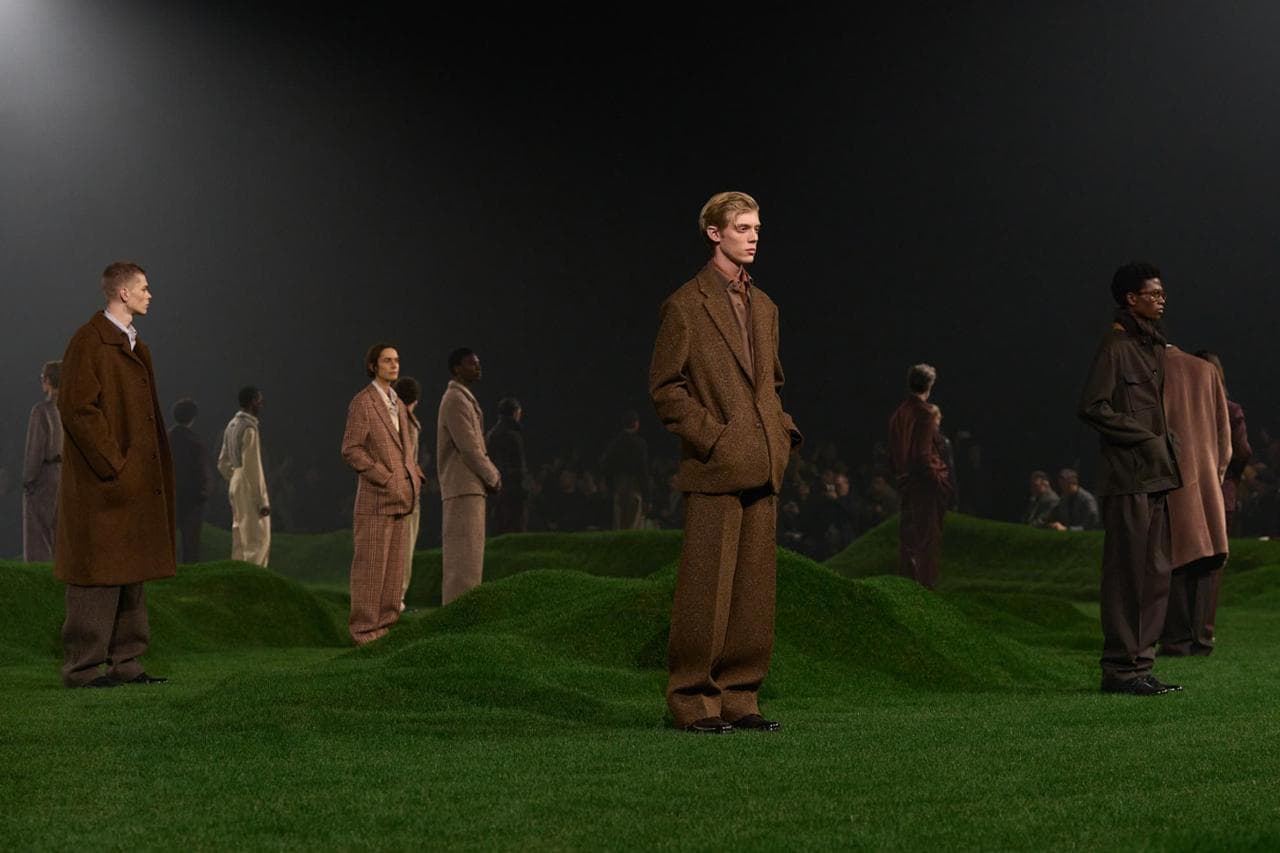
Yet in 2011, Sartori unexpectedly left Trivero and Zegna for Paris, joining Berluti, the luxury menswear house owned by LVMH. He returned “home” in 2016 — a relatively rare move in the fashion industry.
“Gildo called it my master's degree abroad,” he says with a laugh. “I needed a change, and I wanted to deepen my knowledge of accessories and shoes, which had never really been my speciality. Berluti is exceptionally strong in that area. It was an intensive course.”
And one that clearly worked
The Triple Stitch sneakers he subsequently designed for Zegna, with elasticated bands instead of laces, are now among the most widely copied shoes on the market. The brand's legal department sends an average of two cease-and-desist letters a week, Sartori explains, showing the latest emails from the company's lawyer.
To prevent further imitation, last August Zegna patented a fastening system featuring three removable horizontal buttons, introduced by Sartori a few seasons earlier, which allows coats and jackets to be shaped to the body.
Beyond men's and women's fashion
“For me, the silhouette of a garment is the starting point for everything. I began designing by tracing the outer lines of clothes, the curves they create on the body. Whether they're men's or women's clothes is secondary. What I'm talking about is universal.”
That is why he is not surprised by the enthusiasm many women have for menswear.
“Wearing certain pieces makes them feel confident and powerful, because those clothes are designed to convey a sense of strength that transcends gender, time and fashion.”
Celebrities, vintage cars and a private life
Sartori is generous when discussing style but much more reluctant to talk about himself.
“I've never been someone who needs to be seen or who has a big ego. Perhaps it's my Piedmontese nature, but I don't like imposing my presence on others. The same applies to the celebrities we work with: we don't pay anyone. Instead, we invest in beautiful pieces created especially for them. They're friends rather than brand ambassadors.”
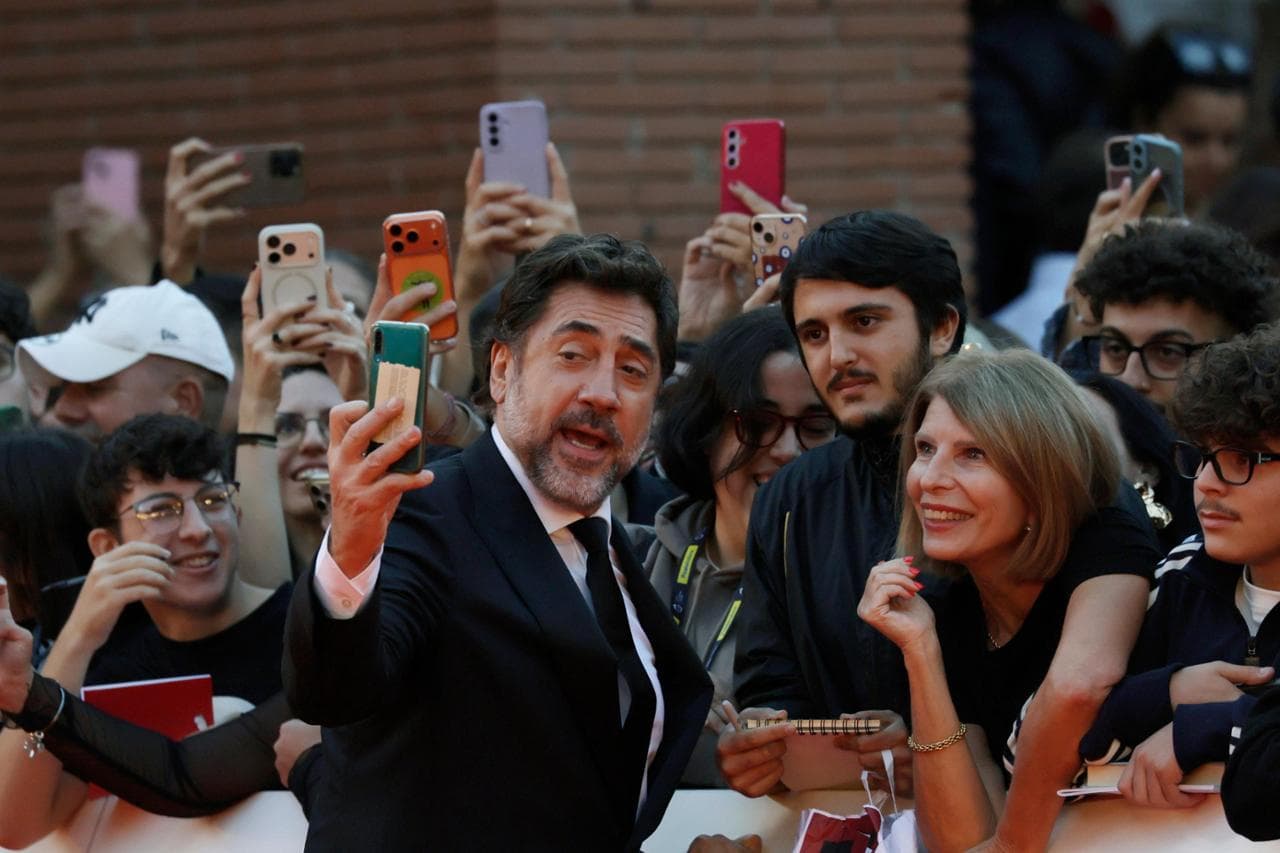
Among them is Mads Mikkelsen, apparently the most entertaining guest at the brand's dinners; Javier Bardem, whom Sartori met 20 years ago over coffee at the bar of the Chateau Marmont; and Mahershala Ali, who has made a habit of wearing Zegna whenever he wins an Oscar — twice so far.
His known passions include Leica cameras — photography brings him a sense of calm — and vintage cars, particularly Porsches and Lancias, which he drives with considerable care.
“Those cars are like ladies of a certain age. You have to treat them with care and respect.”
Beyond that, he gives little away.
“I should learn to live more in the present”
He briefly loses his composure when asked whether he considers himself nostalgic. His voice trembles, but only briefly.
“I am. The problem is that my memories of people who are no longer here are very vivid, perhaps too vivid. And fashion, on the other hand, keeps pushing you to think about tomorrow, tomorrow, tomorrow. I should learn to live more in the present. I'm trying.”
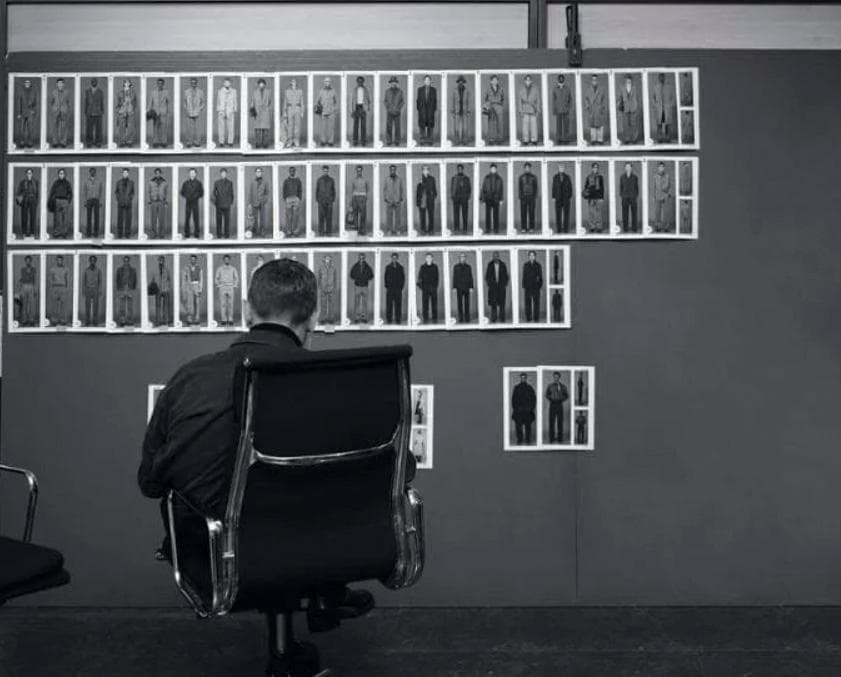
Profile: Alessandro Sartori
Alessandro Sartori was born in Biella, northern Italy. He grew up in his mother's tailoring workshop, where he developed his passion for fabrics.
In 1989, after studying at the specialist Quintino Sella textile institute, he joined Zegna and began designing menswear.
In 2003, he became creative director of the ZZegna line, which made its New York runway debut in 2007.
Between 2011 and 2016, he left Zegna and moved to Paris to lead Berluti, the luxury menswear house owned by LVMH.
He returned to Zegna in 2016 as creative director of all its collections, a position he continues to hold today.
This article was reviewed by an external translation partner