
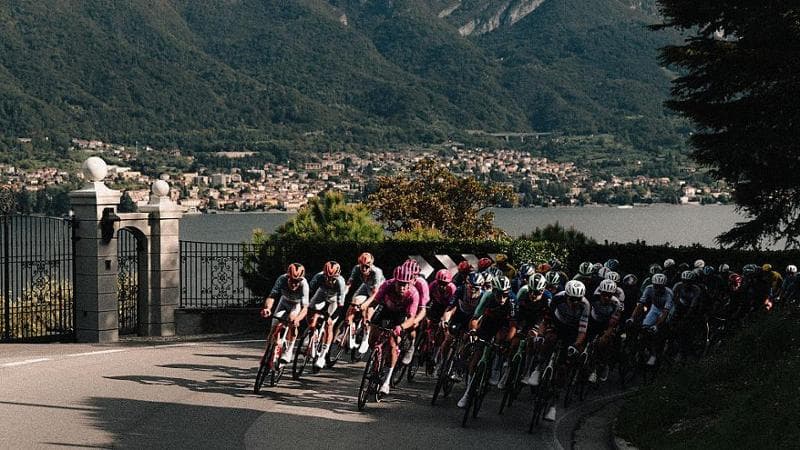
MAGREGLIO — Via Gino Bartali 4, Magreglio, near Como. If you are looking for something truly special, if you want to discover the roots of cycling, this has been the place to come for the past 20 years.
The Madonna del Ghisallo Cycling Museum opened in 2006.
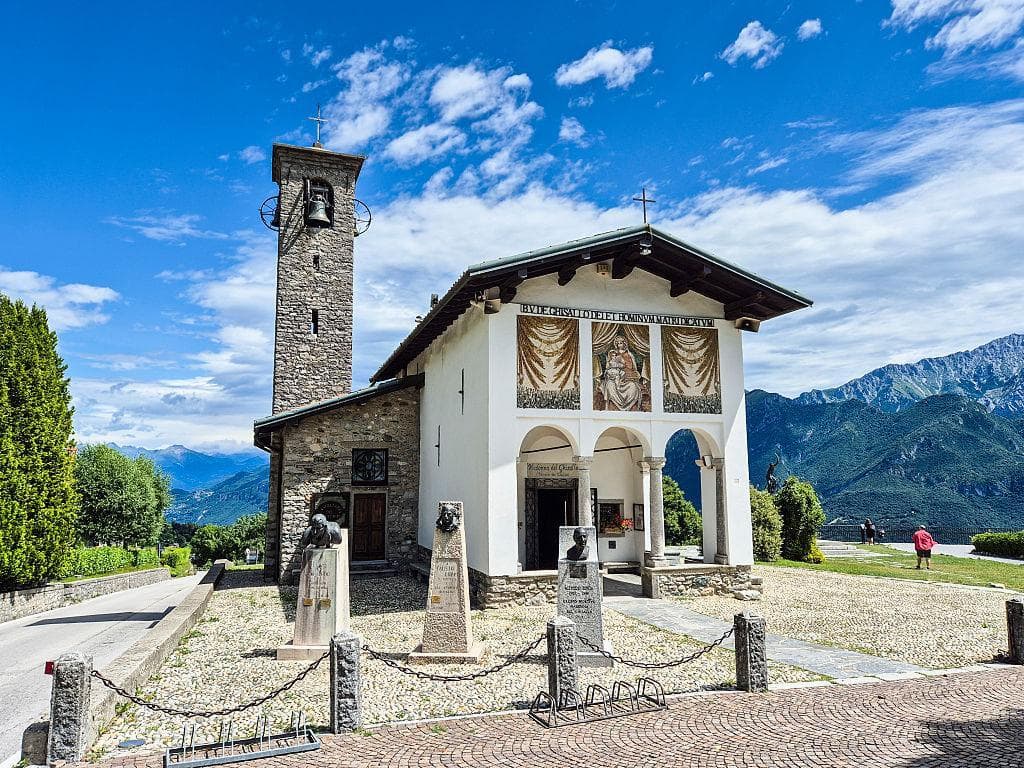
It stands beside the small chapel dedicated to the "Heavenly Patroness of Cyclists", as Pope Pius XII proclaimed the Madonna del Ghisallo in a papal decree issued in 1949. The museum is, in a sense, its secular continuation.
The history of cycling
Inside the chapel are bicycles, votive offerings, pennants and even a rosary made from a bicycle chain. Next door, in the museum championed by the legendary Italian cyclist Fiorenzo Magni, the entire history of the sport is told through thousands of objects.
There are bicycles, of course, but much more besides: accessories, memorabilia both old and new, and jerseys. The collection of pink jerseys signed by Giro d’Italia winners seems to have no end, with new additions after every edition of the race.
And then there are books. Lots of them. The collection includes editions of the Garibaldi, the Giro d’Italia’s official race guide, alongside virtually every publication devoted to what was once Italy’s most popular sport.
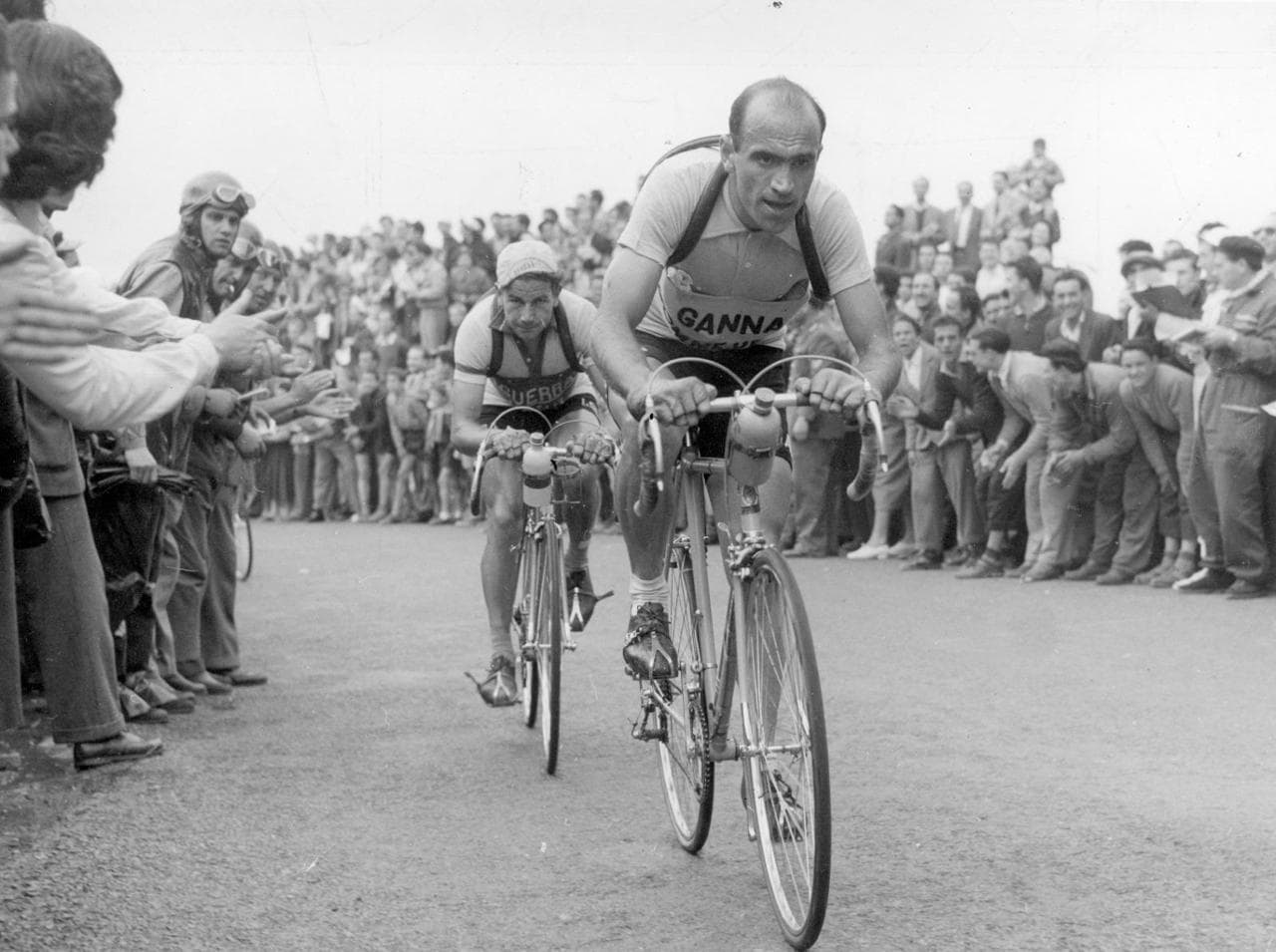
Cycling has been woven into Italy’s history, and at times has even helped shape it. Its story is best told by starting a long way back, rather like the early breakaways in the great races. They break away, but you never quite know where they will end up.
And so you find yourself wandering among the jerseys once worn by Alfredo Binda and Learco Guerra, Fausto Coppi and Gino Bartali, Felice Gimondi and Eddy Merckx, Giuseppe Saronni and Francesco Moser, Gianni Bugno and Claudio Chiappucci.
Celebrating 20 years
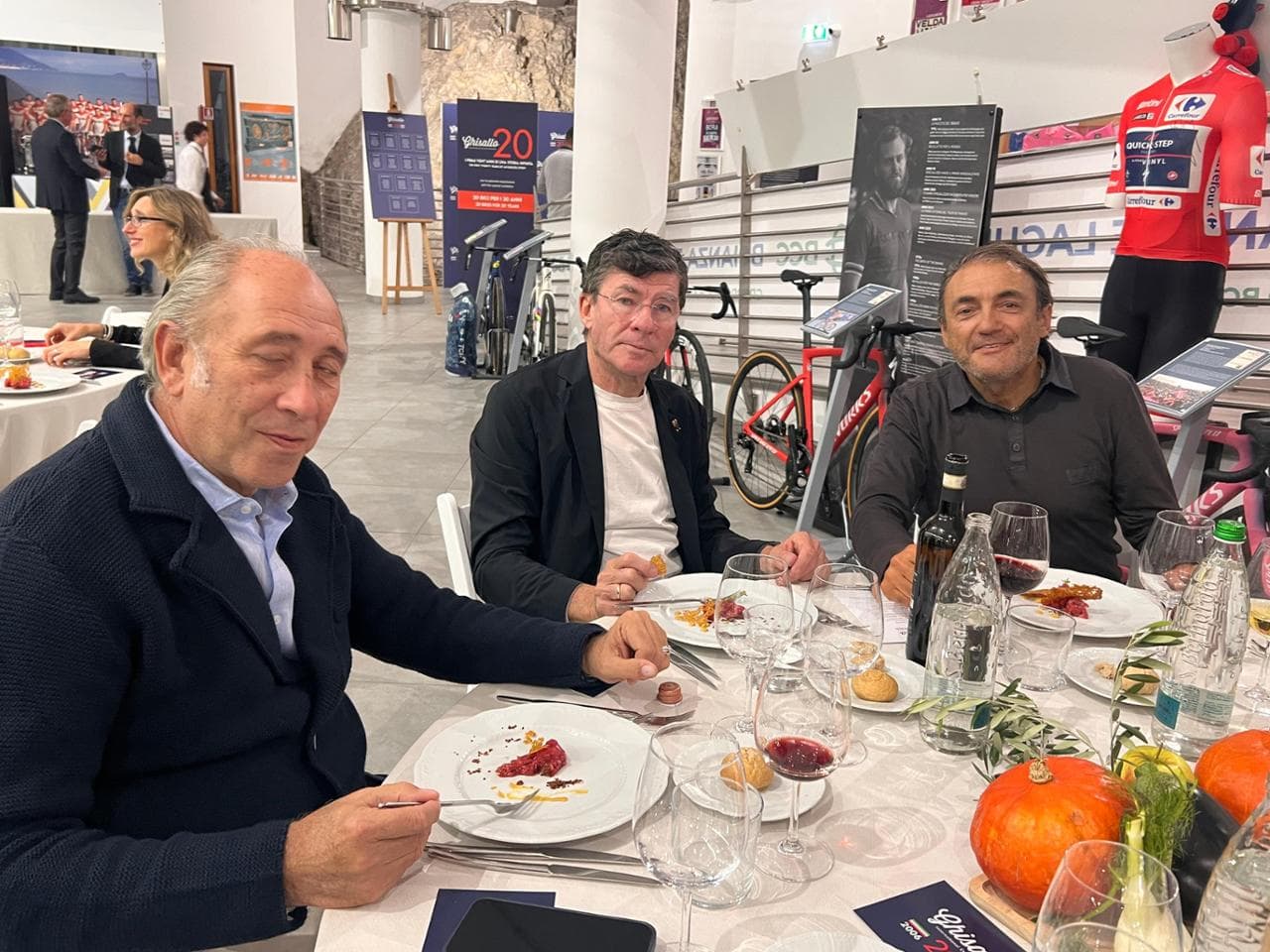
Bugno, a two-time world champion, and Chiappucci, nicknamed Il Diablo, were both there, side by side, for the museum’s 20th-anniversary celebrations.
There was a dinner and no shortage of speeches celebrating the museum, brought to life by the late Fiorenzo Magni and sustained by Antonio Molteni, president of the foundation responsible for safeguarding the treasures housed on one of the most beautiful climbs of the Giro di Lombardia.
It is also one of the most cherished destinations for amateur cyclists from around the world, who tackle the climb, particularly from Bellagio, on a kind of secular pilgrimage on two wheels.
The world's leading cycling museum
Inaugurated on 14 October 2006 at Fiorenzo Magni’s initiative, the Ghisallo is now regarded as the world’s most important museum dedicated to cycling.
Its collection comprises 3,000 pieces of memorabilia and 300 bicycles, ranging from early wooden draisines — the forerunners of the modern bicycle — to Tadej Pogačar’s Colnago.
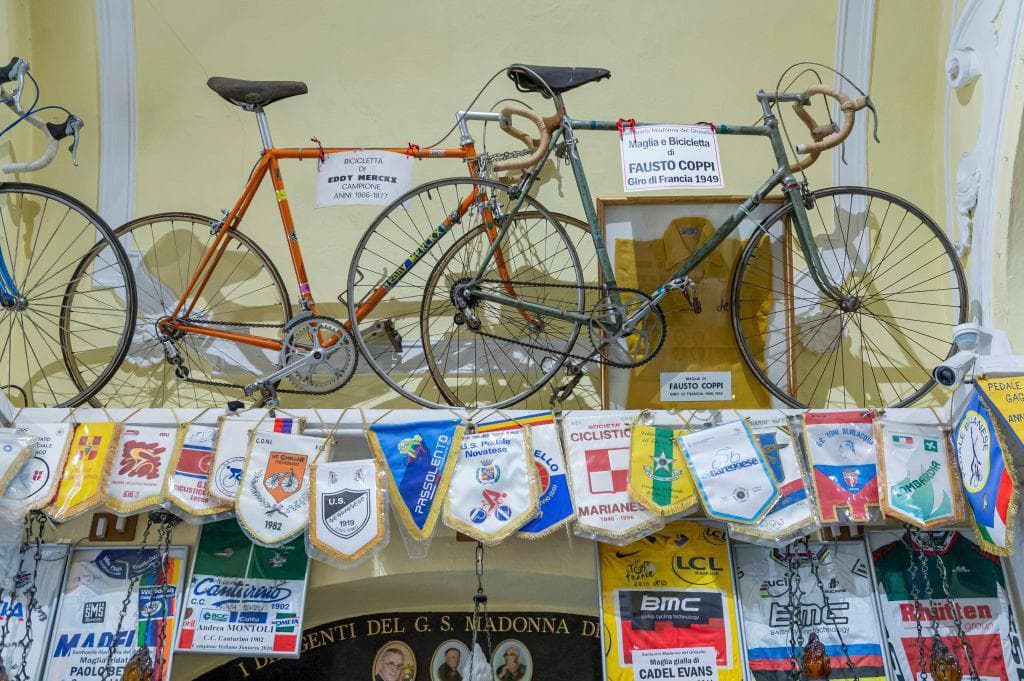
The anniversary evening, opened by Antonio Molteni, revisited the museum’s beginnings, the difficulties it faced around 2014, the role of the foundation and the support of sponsors, countless volunteers and public institutions.
Museum director Carola Gentilini closed the celebrations by expressing the hope that the 20th anniversary would mark only the beginning of a story sill largely unwritten.
The gala dinner also marked the opening of the anniversary exhibition, 20 Bikes for 20 Years, which traces the museum’s history through 20 representative bicycles.
Among the guests was Marino Vigna, Olympic champion in the team pursuit at the 1960 Rome Games and a lifelong friend of Fiorenzo Magni.
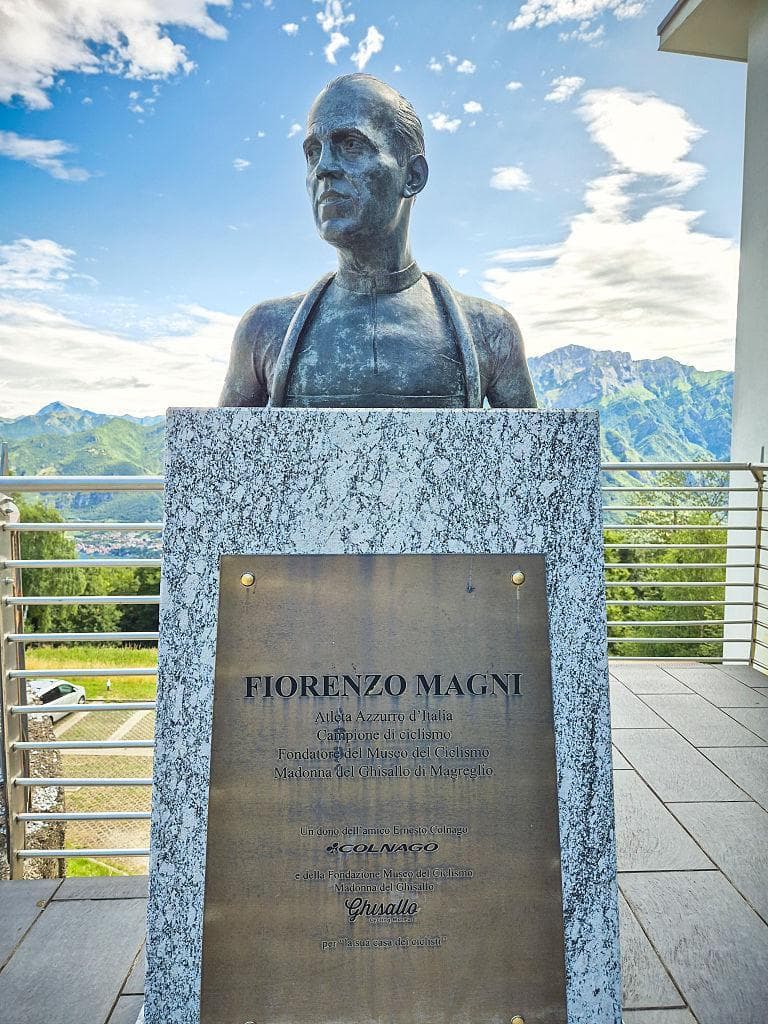
A bust of Magni stands outside, beside the entrance, overlooking a spectacular terrace. From here, the view stretches across the lake towards the Grigne mountains and beyond, beneath a brilliantly blue sky.
A museum designed around the bicycle
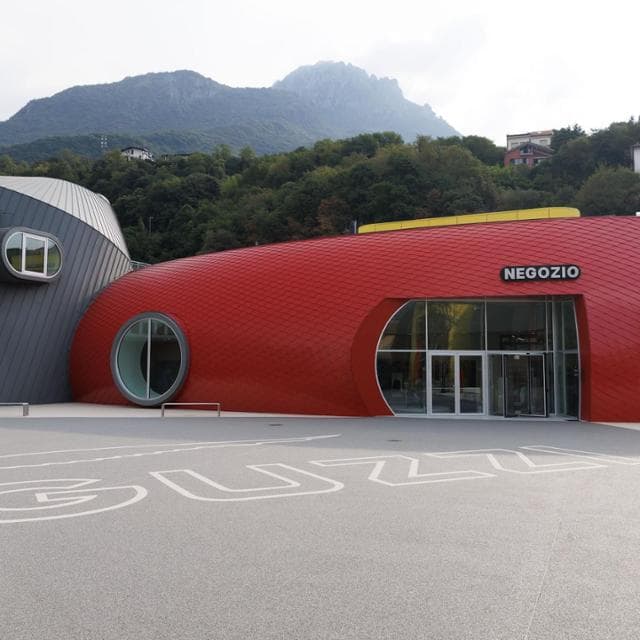
Designed by architect Davide Bergna, the museum itself takes inspiration from the bicycle.
Visitors follow a series of sloping ramps that wind like hairpin bends on a mountain road, leading from the sanctuary down to the exhibition level.
A vast glass wall follows the building’s first sweeping curve, offering broad views of the interior.
Visitors descend to a level 3.6 metres below ground, where the building’s entrance connects with the panoramic terrace.
The permanent collection is displayed on a single floor, in a highly flexible space designed to allow visitors to take in the exhibition as a whole, along with the surrounding landscape and audiovisual displays, from virtually anywhere in the museum.
Pantani’s bicycle
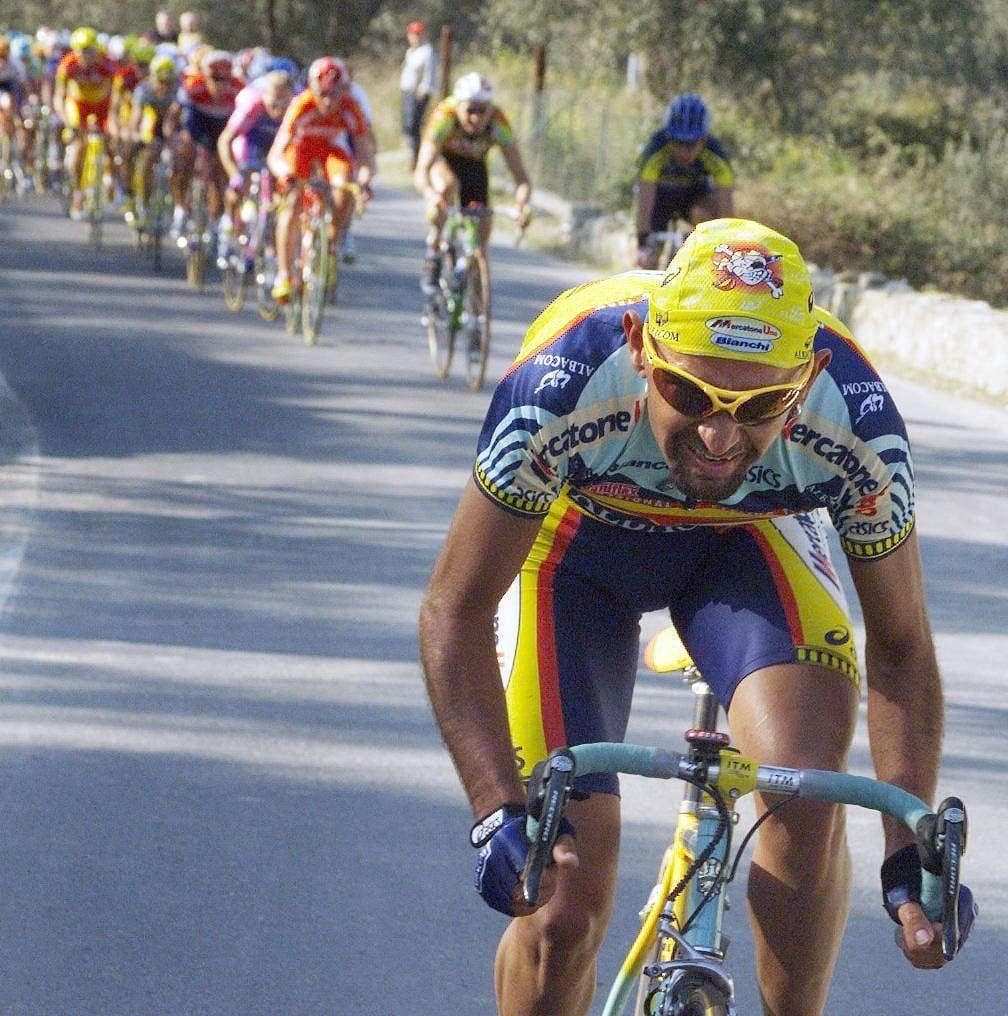
It is neither the oldest nor the most beautiful object in the museum. But it is surely the most moving: one of Marco Pantani’s bicycles, among the first to feature a saddle embroidered with the image of Il Pirata, the Pirate, as the Italian cycling hero was known.
Even more poignant is the fact that the bicycle still carries the yellow water bottle Pantani used during that fateful, seemingly endless year of 1998.
Four other historic bicycles make the museum truly exceptional: the two Legnano bikes on which Gino Bartali won the Tour de France in 1938 and 1948; the bicycle Fausto Coppi rode to his hour record at Milan’s Vigorelli velodrome in 1942; and the one Fiorenzo Magni used to win the 1949 Tour of Flanders.
These are one-of-a-kind treasures, almost archaeological relics of a world that races ever faster.
This article was reviewed by an external translation partner