
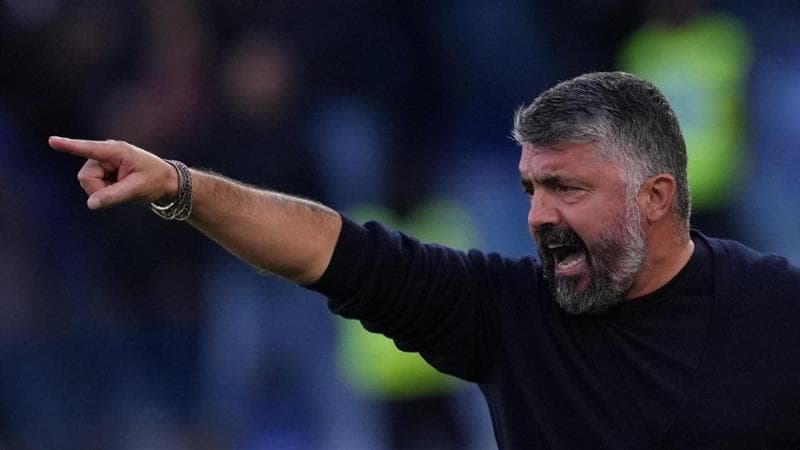
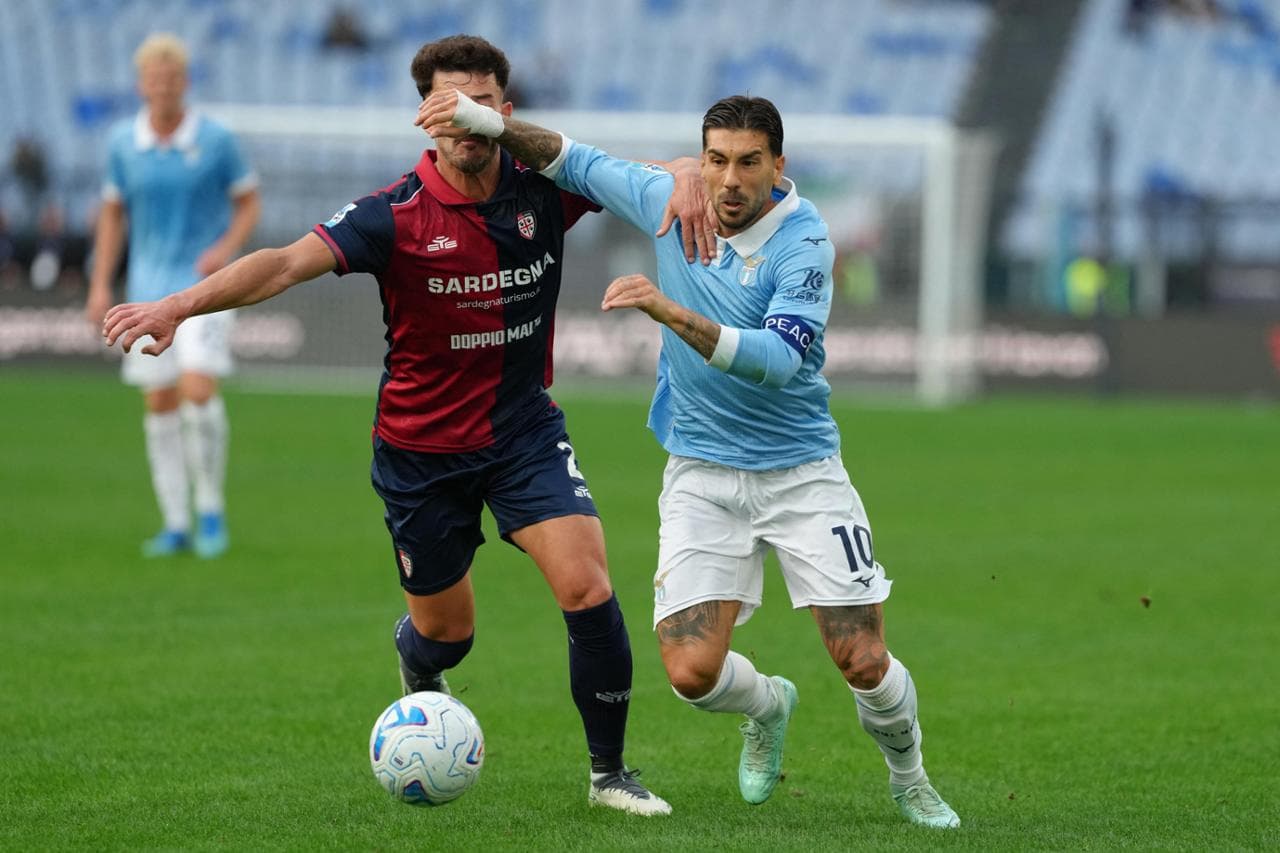
ROME — The element of surprise has gone. Europe has discovered Gennaro Gattuso's Lazio, and now everyone is studying how they do it. The statistics are remarkable: across Europe's five major football leagues, no team has a better points-per-game average than Lazio, who have collected 28 points from ten matches. Not even Barcelona or Arsenal can match the Biancocelesti's 2.8 points per game.
“As a manager, I'm not used to being up there,” Gattuso says with a smile.
A former defensive midfielder in Carlo Ancelotti's AC Milan side, he won everything alongside Andrea Pirlo in the Rossoneri shirt before lifting the World Cup with Italy in 2006.
But the World Cup became his curse as a manager. Appointed to replace Luciano Spalletti in the summer of 2025, he failed to guide Italy to the tournament in North America. Defeat to Bosnia in the play-off in Zenica meant a third consecutive World Cup absence for the Azzurri, a devastating blow for Gattuso personally.
Alone at the top of Serie A
Now, however, he sits alone at the top of the Italian league. It is a welcome feeling, and a relief too, after the suffocating loneliness of recent months.
First came the long walks in Marbella, where he lives when he is not coaching, as he tried somehow to come to terms with the pain of Zenica. Then came the scepticism that greeted his arrival at Lazio.
A chance to get back on his feet
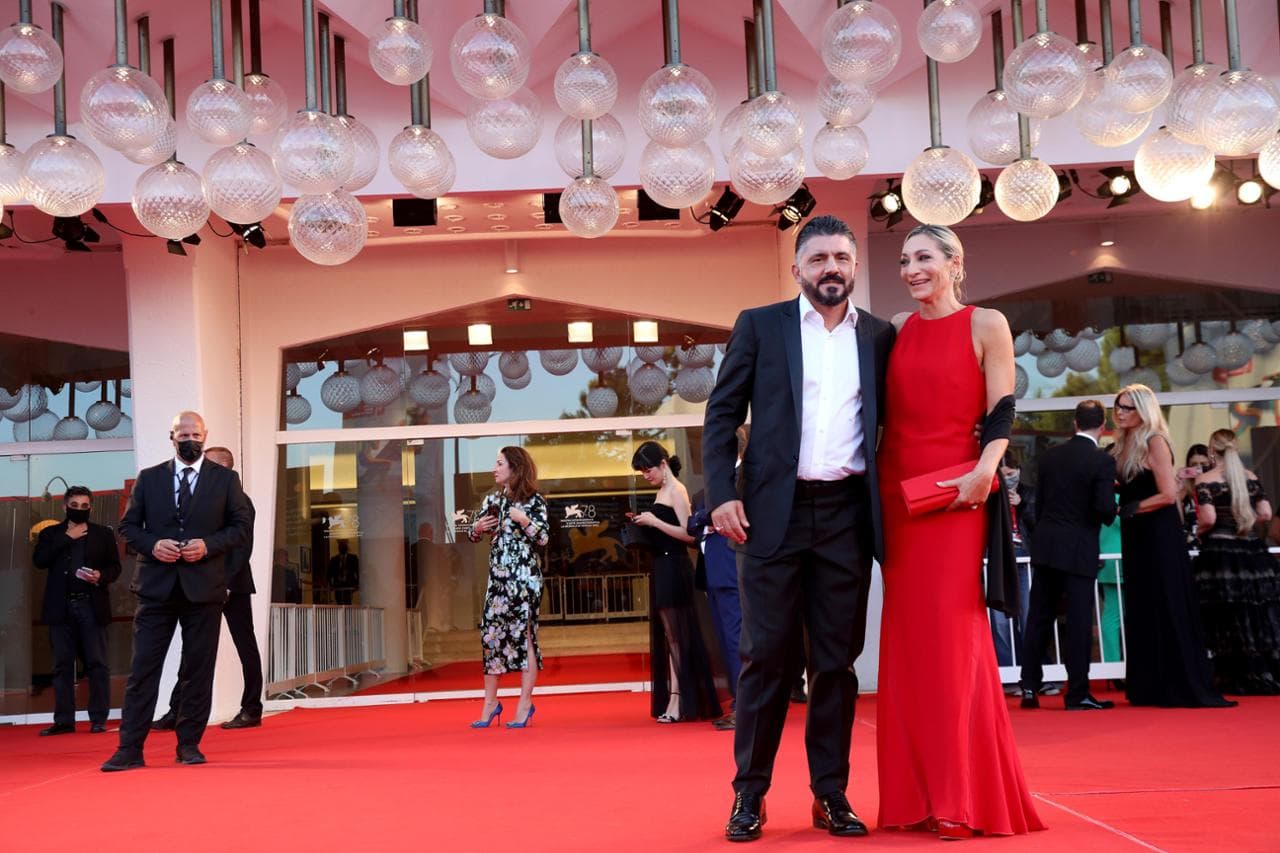
“Sport is wonderful because when you fall, you immediately get the chance to pick yourself up again,” he says, reflecting on the trauma of his time with the national team. “The important thing is not to sink into depression, but to rely on the people who love you. I have my wife Monica. We've been together for 30 years, and she's always been there through the difficult times.”
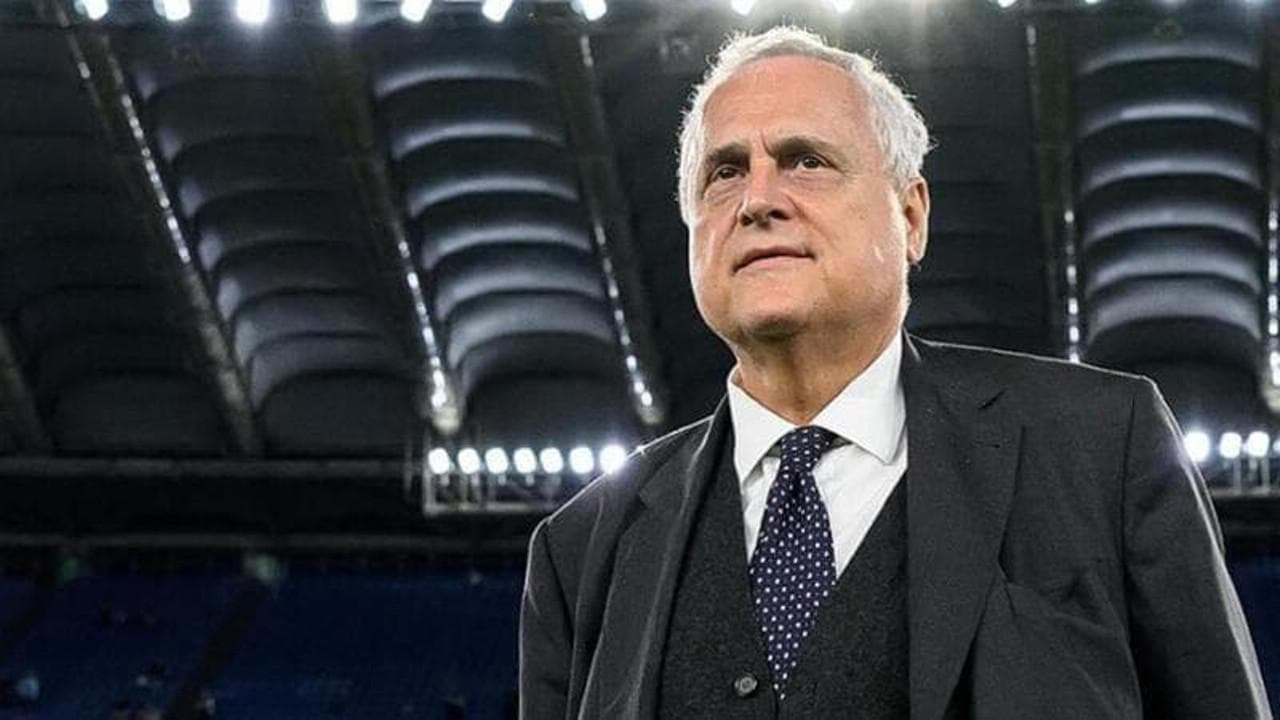
Yet his arrival at Lazio was hardly reassuring. It was a case of going from one hell to another, with supporters staging an indefinite boycott in protest against club president Claudio Lotito, staying away from matches and leaving the stadium empty. Virtually every decision the president makes is met with opposition.
“Let's put our helmets on and get going,” were Gattuso's first words.
In truth, he needed a full suit of armour. But Gattuso has built up plenty of armour over a lifetime of challenges, from the grief of losing his sister Francesca in 2020, aged just 37 — “I'd give everything I have to spend even an hour with her” — to the frightening experience of developing an eye condition, myasthenia gravis, which he has managed with corticosteroids every day for the past 15 years.
Blue skies over Formello
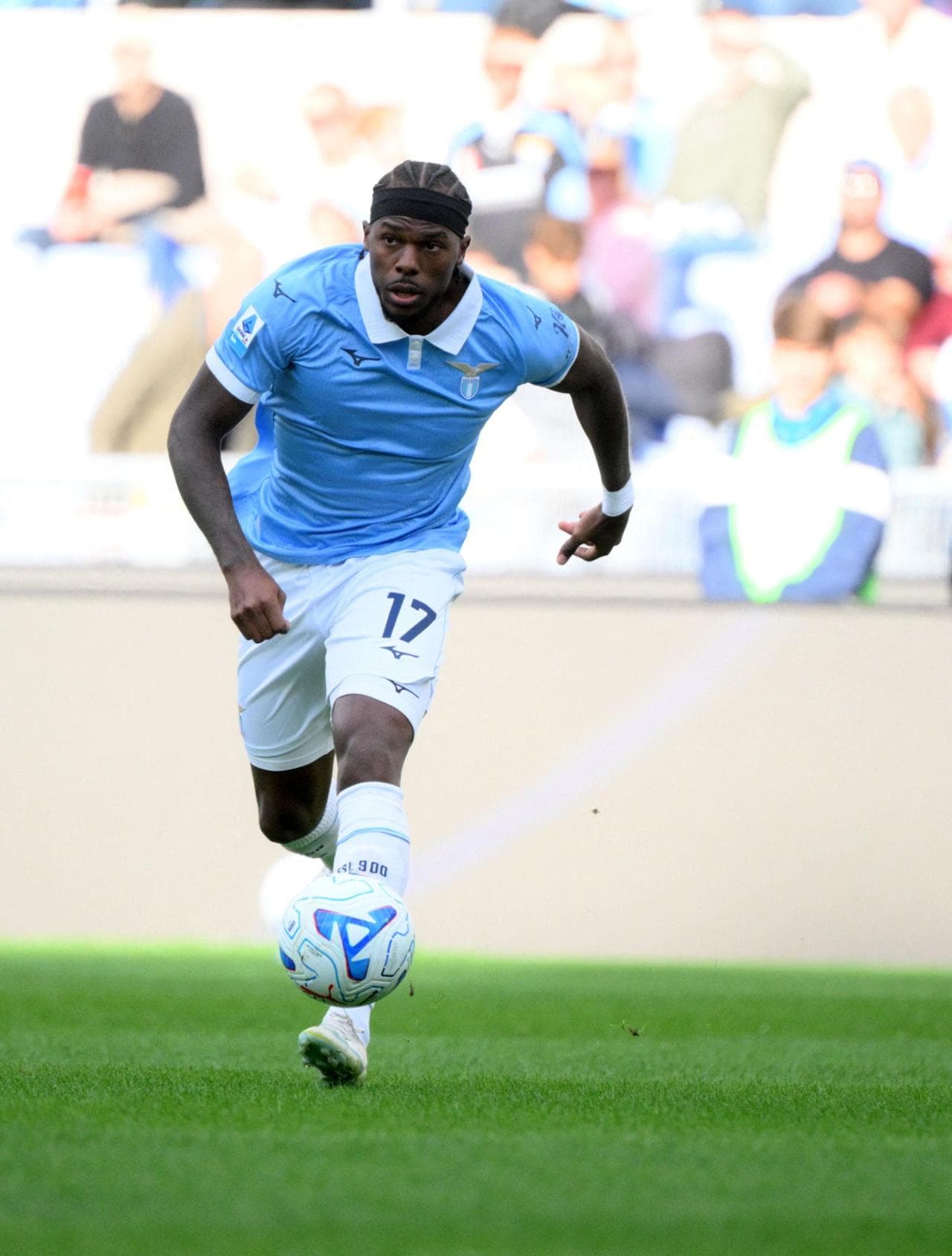
And yet the skies over Formello, Lazio's training headquarters, are growing brighter by the day. Coaching his players offers an escape from life's real problems.
“But I can't stand people who have talent and waste it.”
That was why he reprimanded Nuno Tavares, a player he believes is “good enough for Real Madrid”, in front of the entire squad.
It could have destroyed their relationship. Instead, it sparked a remarkable chemistry between Gattuso, the Portuguese full-back and the rest of the team.
“Gattuso has transformed us. We give everything for him on the pitch,” his players keep saying, from Davide Frattesi to Christos Mandas.
But Rino insists that he, too, has changed over time.
“I've learnt to listen to today's players. I lose my temper less than I used to. These days they're on their phones even when they're lying on the physiotherapist's treatment table. That's inconceivable to me. But there are some rules I won't compromise on: respect and punctuality.”
He recalls one particularly memorable morning.
“Once, it was raining and the gate at Olgiata [the residential estate near Formello where he lives] wouldn't open. I had to climb over it and run like a madman to get to training on time.”
His players have teased him about it ever since.
The Gattuso method
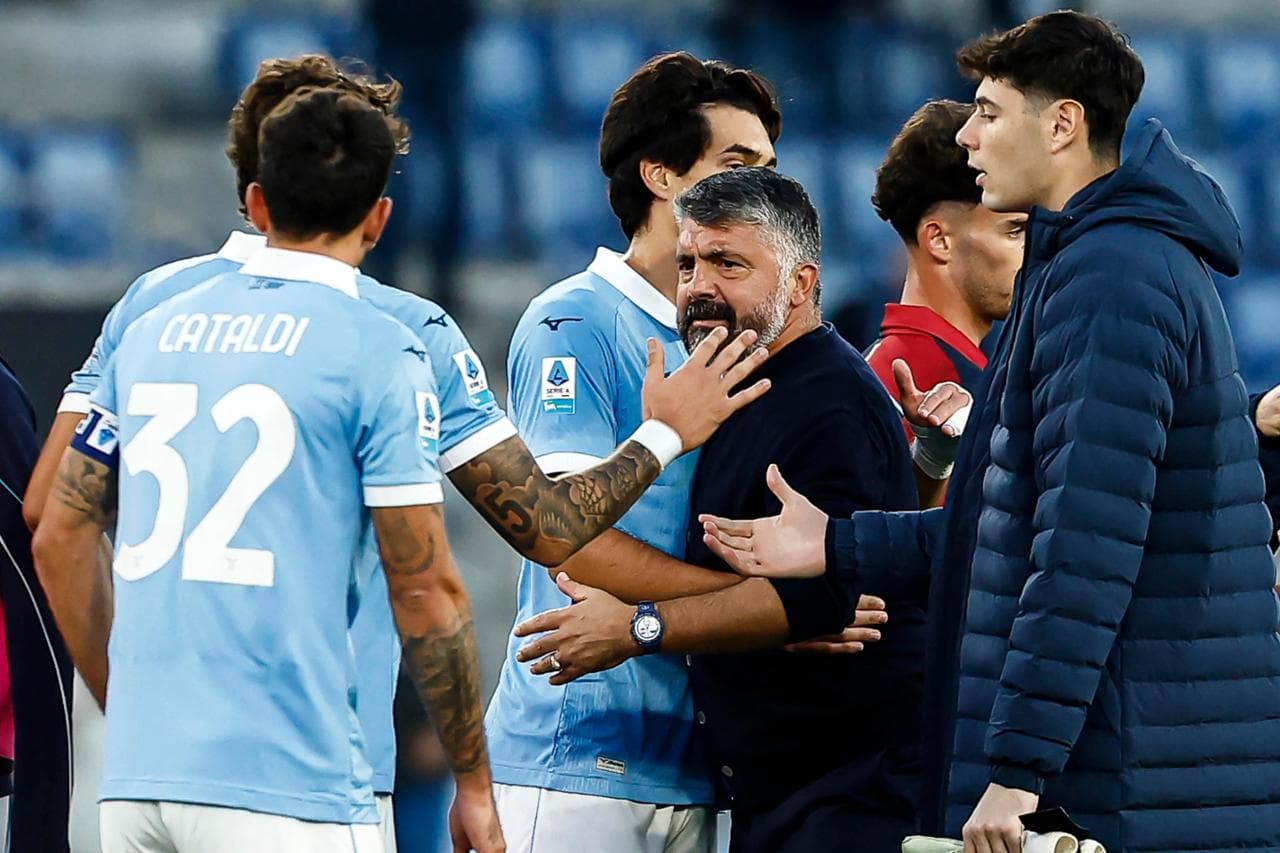
He embraces them at the end of every match. They have won nine of their first ten games and on Sunday will look to pull off another result away at Napoli.
The Gattuso method, developed with the close-knit coaching staff that has accompanied him since the start of his managerial career, is working.
It involves what he calls “invisible training”: rest days designed to allow players to recover from the demanding sessions at Formello, combined with aggressive, direct, forward-thinking football on the pitch.
The element of surprise may have disappeared. But Gattuso is no longer alone, and his Lazio are learning to dream.
This article was reviewed by an external translation partner