
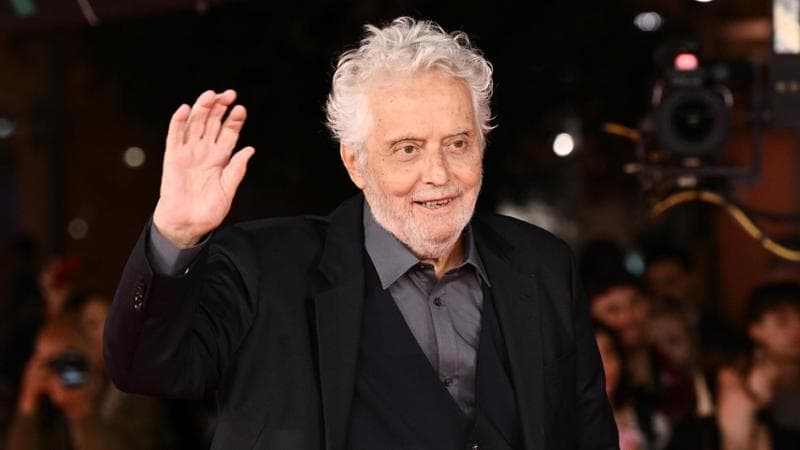
Nicola Piovani is a musician who is both serious and light-hearted, profound and irreverent in the way the most authentic Romans often are, with a formidable cultural background but never a hint of pedantry or pretension. As a composer, he has a strong ironic streak, though that does not make him any less attuned to the great questions of human existence. He moves skilfully between different styles while retaining a distinctive and original voice.
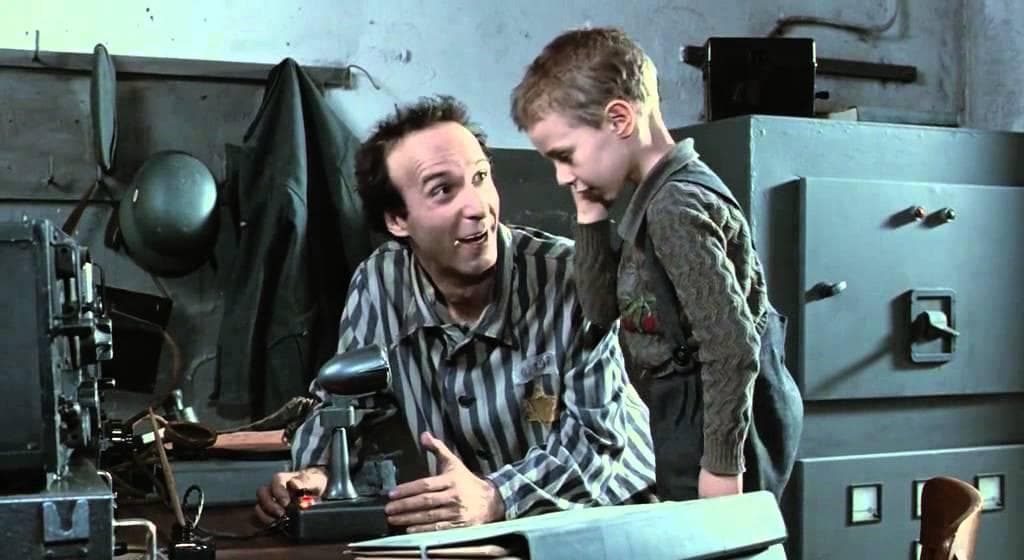
The composer of celebrated film scores — he won an Oscar for Roberto Benigni’s Life Is Beautiful, among many other accolades — Piovani has a particular love of musical theatre.
“The combination of poetry, singing and dramatic action, together with the colours of the orchestra, exerts a feverish, celestial fascination over me,” he says ahead of his third premiere in the genre, following the operas Amorosa presenza (2022) and Il labirinto di Creta (2024).
Now he is venturing, dangerously enough — La musica è pericolosa, Music Is Dangerous, is the title of both one of his books and a successful stage show — into the aggressive strategies and complex characters of Romanzo criminale. The opera is based on Giancarlo De Cataldo’s bestselling novel, with De Cataldo himself writing the libretto.
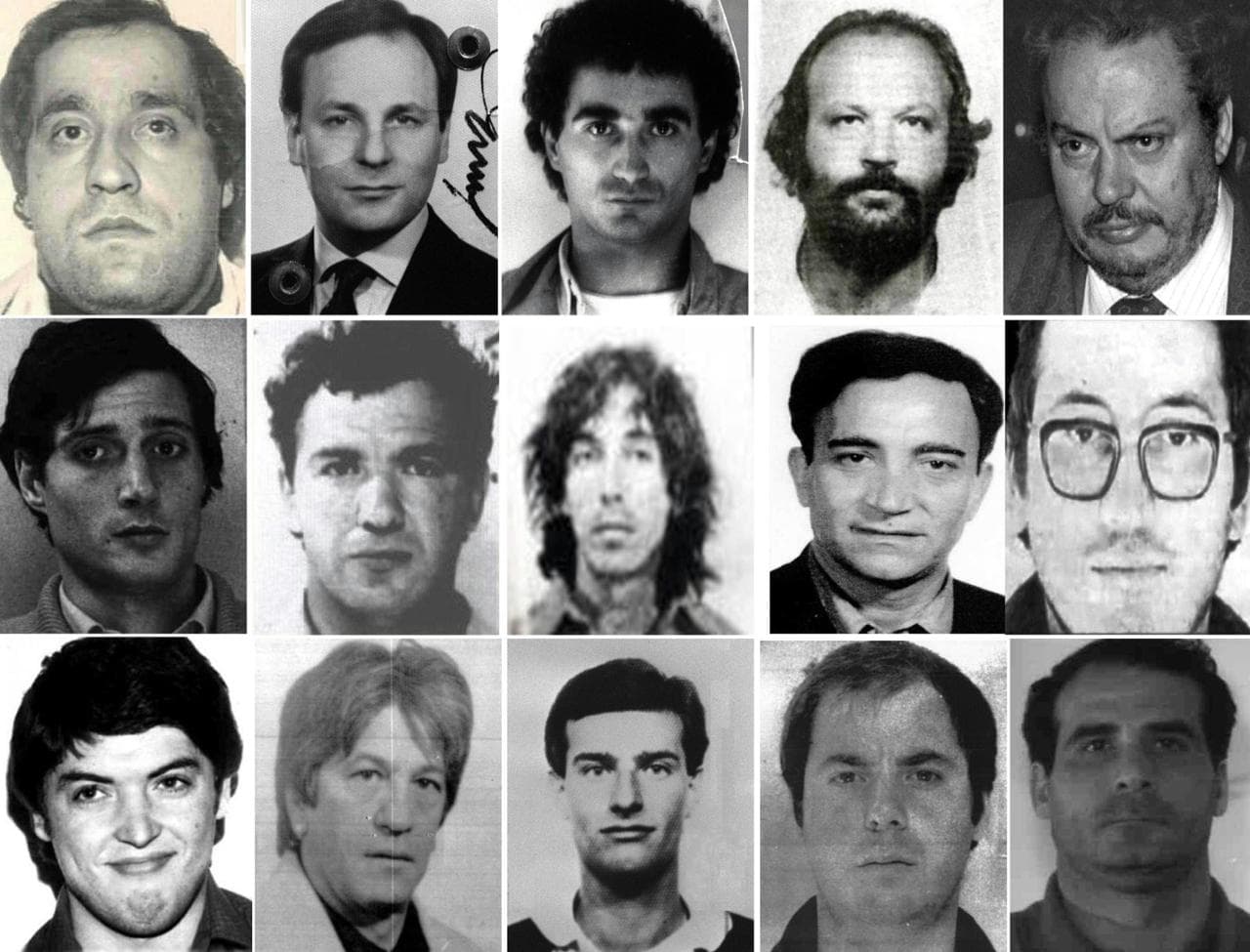
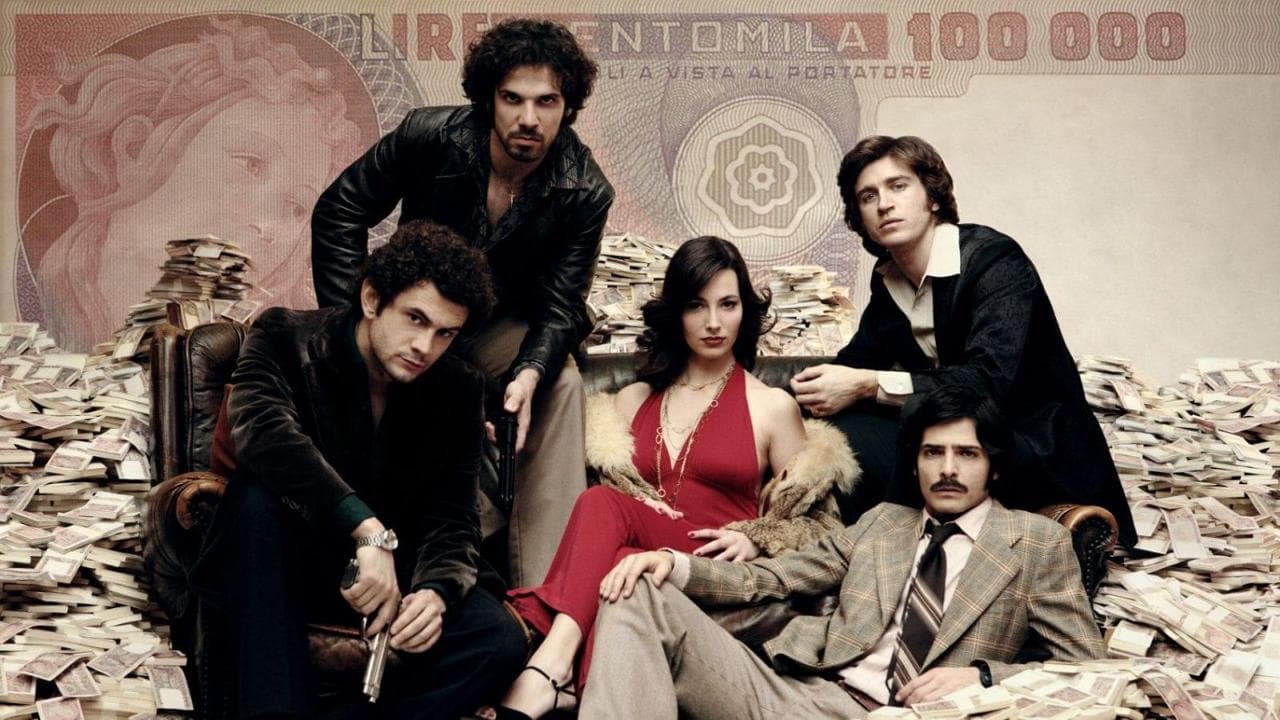
The themes and fate of this popular saga are well known. It began as a novel about the bloody history of the Banda della Magliana, the criminal gang that dominated Rome’s underworld for more than a decade from the 1970s onwards, and became a landmark of Italian noir, spawning a film directed by Michele Placido and two Sky television series.
Piovani accepted an invitation from Carlo Fuortes, superintendent of Florence’s Teatro del Maggio Musicale Fiorentino, where the opera opens on October 23 and runs until October 31. Co-produced by Fondazione Musica per Roma, it will be staged again next year in the capital at the Auditorium Parco della Musica.
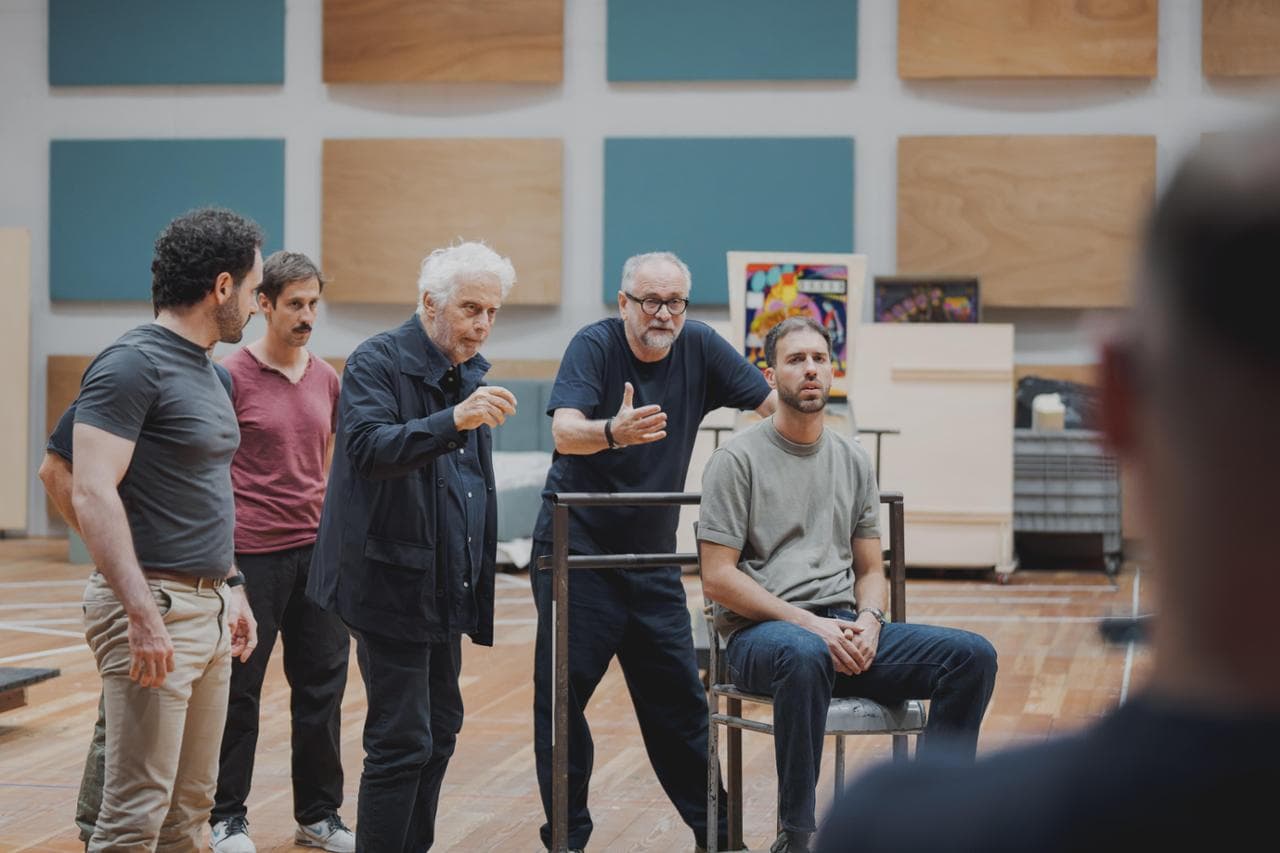
Piovani himself will conduct, with Massimo Popolizio directing and sets by Margherita Palli.
“Usually, when I compose music that isn’t for the cinema, I choose the subject myself,” Piovani says. “This time, however, the idea came from Fuortes, who persuaded me to set an already defined project to music. I agreed after a very good meeting with De Cataldo, who is an opera aficionado and understands how different a libretto is from either a novel or a screenplay.”
How did you work together?
“First of all, by creating a structure divided into 21 theatrical scenes. De Cataldo gave me a draft from which I took verses, lines and situations and began setting them to music. Each time, he would go back over the material in his elegant style, while also accommodating the constraints imposed by the music. He immersed himself skilfully in writing in verse, metre and rhyme, as singing requires.”
Does the plot of Romanzo criminale lend itself to opera?
“Yes, it’s ideal material. There’s a love triangle involving the criminal Dandi, a tenor; the prostitute Patrizia, a soprano; and the police officer Scialoia, another tenor, who wants to redeem her. There’s Dandi’s betrayal of Bufalo, a baritone, and Bufalo’s revenge on Dandi. There’s a duet between Libanese, a tenor, and his mother, a mezzo-soprano. Libanese even rises from the grave to take revenge, like the Commendatore in Don Giovanni.”
What about the instrumentation?
“It’s symphonic and classical, with some additional instruments: drums, electronic drums, saxophone and a keyboard that reproduces sampled sounds. In our case, those are gunshots and sirens, all written into the score.”
What is at the heart of the drama?
“What seemed most suited to music was the fable behind the story, almost a parable: four young men want to become rich to escape a frustrating social condition. They take a violent shortcut, they win and seize power: ‘They ascend the throne,’ as the libretto puts it. From there begins a downward spiral in which everyone loses and everyone dies except one, Freddo, who no longer wants to live surrounded by blood. He is the most introspective character. He decides to put an end to his adventurous life before the adventure puts an end to him. He leaves, but we don’t know where he goes. He simply disappears.”
Which characters did you give the greatest prominence to?
“I fell in love with the prostitute Patrizia. She isn’t a heroine, but a gentle soul cloaked in the cynicism instilled in her by a childhood scarred by humiliation. She is the one who tells us the story and draws together the threads of the parable about four friends who wanted to conquer the world and came to a bad end. My music leans on her to convey the emotional meaning of the whole story. Her singing has a mocking quality that at times soars into flashes of passionate lyricism.”
Did you have any historical reference points when composing the score?
“I stayed away from verismo, naturalism, dialect and Brechtianism. Inside and behind this novel, as I said, there is a cruel and compelling fable. We tried to translate that into verse and music, and as I wrote I remained faithful to the stylistic path that feels most naturally mine. Today, the theoretical and ideological choices of the late 20th-century classical repertoire strike me as a senseless relic. I have always been wary of the high priests of experimentation at Darmstadt, and all the more so today: 80 years later, those stylistic conventions hold no interest for me.
"That said, everyone should compose whatever music they want. I try to write music that reflects who I am, intimately and honestly. If I write ugly music, then I suppose I must be ugly too. I consider the paths taken by Britten, Shostakovich, Rota, Bernstein and Weill indispensable, but also those of Lennon and McCartney and Dave Brubeck. At the moment, I particularly enjoy listening to Valentin Silvestrov. Until just a few years ago, tonal music was blacklisted by the dominant culture. Now some people would like to blacklist post-serialism. The only thing I would blacklist is the blacklist itself, an unbearable affectation of so much 20th-century intelligentsia.”
In the novel, the gang’s criminal activities are intertwined with the country’s political life. Have you retained that aspect?
“Rome — eternal Rome, De Cataldo’s Rome — is the backdrop to this operatic fable. But we never delve into the specific events of the period. Rome is sung as a metaphor, and Patrizia, who opens and closes the narrative, echoes the image of the she-wolf suckling Romulus and Remus.”
Can you give us any idea of what to expect from Popolizio’s production?
“The setting isn’t naturalistic, but it clearly shows the progression of the plot, which is what I always want from directors, including those tackling works from the classical repertoire. Opera plots can be complicated or confusing. Someone seeing Verdi’s Il Trovatore for the first time should be helped by the direction to understand the different turns and episodes in the story. Instead, directors sometimes seem to enjoy obscuring the development of the action with distracting effects that have little or nothing to do with the narrative.”
Did your experience in cinema influence this composition?
“I’ve written scores for more than 200 films, neglecting my vocation for symphonic and chamber music, as well as opera. In recent years, I’ve tried to redress the balance. But writing music for the cinema is a habit you never quite kick. From November, I’ll be working on Oliva Denaro, directed by Cristina Comencini, and Chiles rellenos, by Guatemalan director Robert Flanagan.”
This article was reviewed by an external translation partner