
There are only a few hours left before the kick-off of the annual Halloween vs All Saints' Day showdown—a clash pitting innovators against traditionalists, realists against nostalgic.
The former have fully embraced the American festive format. The latter, however, view the night of the living dead as a form of cultural colonization threatening to erase the memory of rural Italian traditions, which historically celebrated the annual return of the deceased.
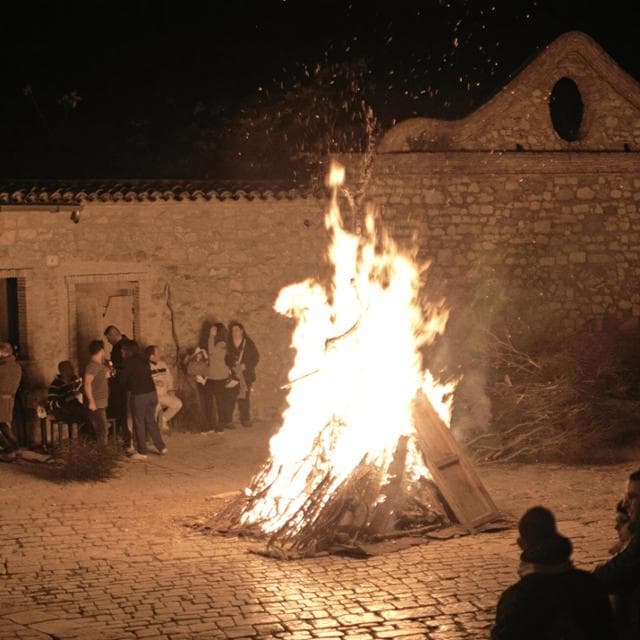
Like it or not, witches, zombies, and other returning spirits currently have the upper hand. They simply tap more effectively into the spirit of the global playground and its appetite for noir entertainment.
Yet this macabre prank based on trick-or-treating is all that remains of ancient funerary games designed to exorcise the fear of death—traditions once equally widespread across both the Celtic and Latin worlds.
Spirits to keep at bay
However hard it tries to present itself as a frivolous, commercial spectacle, Halloween cannot entirely hide its true nature: a vigil for the dead, a sliding door between this world and the next.
The truth is that Halloween is a pop fusion of ancient festivals and forgotten rituals born across the Mediterranean basin and Northern Europe.
Take the Roman Lemuria, collective ceremonies established to keep away the spirits of the dead—the lemures. According to tradition, these rituals were instituted by Romulus to appease the soul of his brother Remus and ward off his vengeance.
Encounters in the dark
Ovid writes in the Fasti that every paterfamilias would walk through his house in the pitch black of night, tossing black beans over his shoulder while chanting the formula Manes exite paterni ("Out, spirits of my fathers!").
This encounter in the dark offered a moment of dialogue with departed loved ones, to ask for news, favors, or intercessions. But turning around to look at them was strictly forbidden.
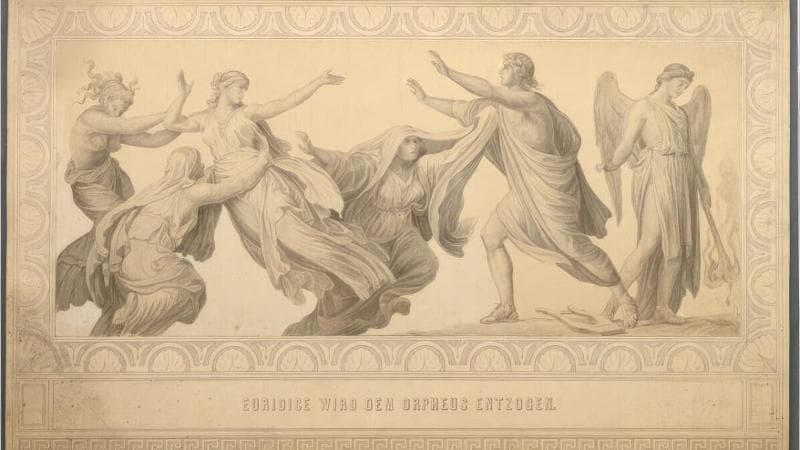
As the Greek myth of Orpheus and Eurydice reminds us, the past must remain in the realm of memory; it cannot return without blurring the line between life and death.
The gates of the afterlife open for one night
In AD 609, Pope Boniface IV replaced these pagan festivals with All Saints' Day, effectively turning saints into the totemic ancestors of Christians. In 730, Pope Gregory III moved the celebration from May to November, countering the Celtic advance on the festive front.
His target was Samhain—literally "summer's end"—celebrated on 31 October to mark the beginning of the dormant season, when flocks returned to the fold and the fields rested. It was a tear in the calendar between the old year and the new, leaving the gates of the afterlife open for a single night.
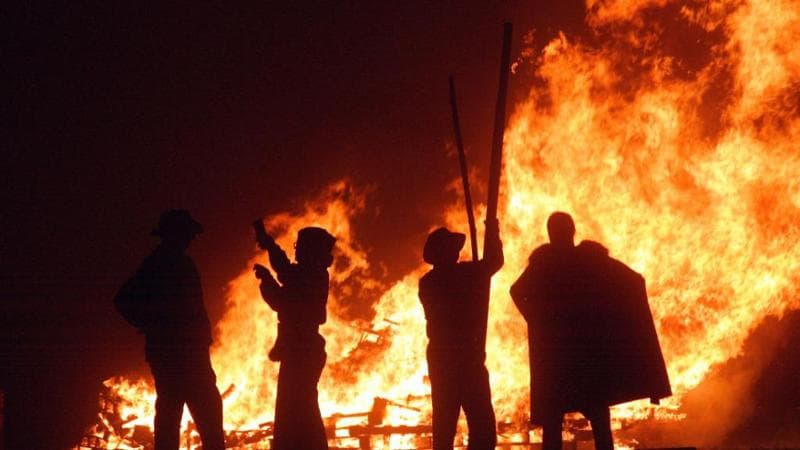
This belief is virtually universal, as the cult of the dead is one of the defining traits that distinguish humans from other animals—and lies at the very origin of all religions.
Thus, societies grant themselves a timeout from history to reconnect with those who are gone—what Ugo Foscolo, in Dei Sepolcri, famously called the "celestial correspondence of loving feelings".
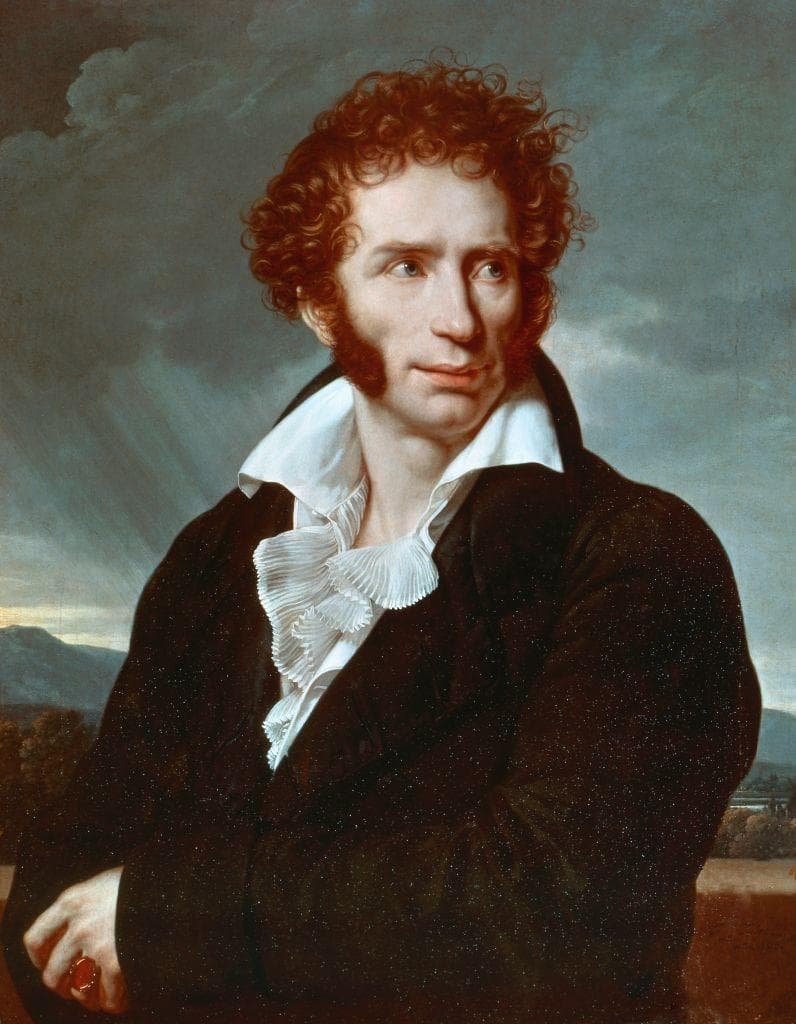
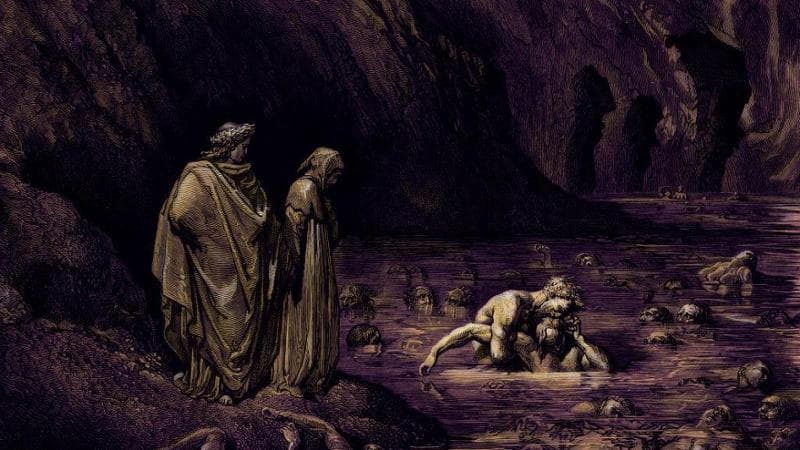
Above all, it is a moment to ponder what lies beyond existence's ultimate deadline: serenity or pain, peace or fear? Just as Dante does in the Divine Comedy, when he loses his way and descend into Hell, questioning the souls he encounters about their deaths in an attempt to understand the meaning of life.
A pact between the living and the dead
The Supreme Poet ultimately sublimated into verse a universal human sentiment: the desire to know how the story ends and the need to strike a pact of solidarity between the living and the dead.
On a more pragmatic level, our grandparents shared these exact same urges when they left food and water on kitchen tables or windowsills to refresh passing souls—concrete gestures translating theological abstractions into action, much like displaying pumpkins carved into heads and illuminated by small candles.
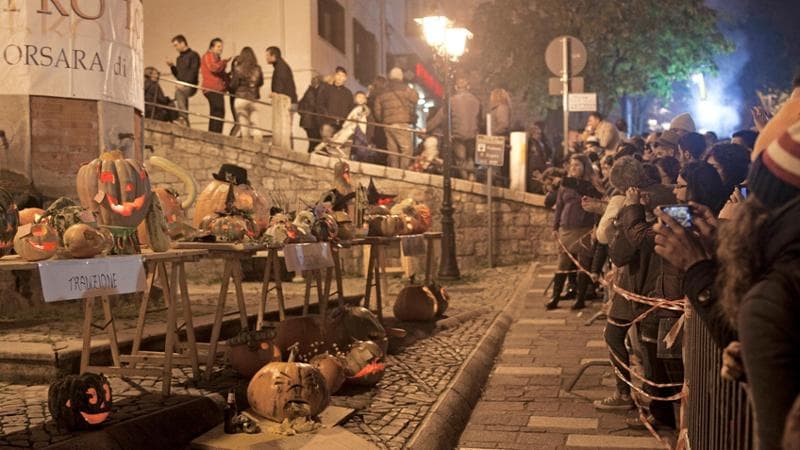
In Orsara di Puglia, in the southern region of Apulia, they call them cocce priatorije ("heads of Purgatory")—an Italian tradition that predates the imported American version by centuries.
A treat AND a trick
Yet Homo sapiens' most brilliant tactic for exorcising the fear of facing the deceased head-on has been to symbolically absorb their memory by consuming ritual foods that comfort both body and soul.
Examples abound across Italy: the chocolate-coated torroni dei morti sold in southern pastry shops; Sicily's skull- and tibia-shaped biscuits known as ossa di morto ("bones of the dead"); and fava beans, served both savoury and sweet.
In northeastern Italy, people eagerly snack on favette dei morti—colourful almond-paste pastries covered in sugar granules. Lombardy slices its pan dei morti, Tuscany bakes pan coi santi, and Apulia prepares colva (or grano dei morti), made of boiled wheat seeds flavoured with cooked grape must, walnuts, and cinnamon.
Meanwhile, Sardinia celebrates with papassinos, crafted from wheat semolina, raisins, honey, walnuts, and almonds.
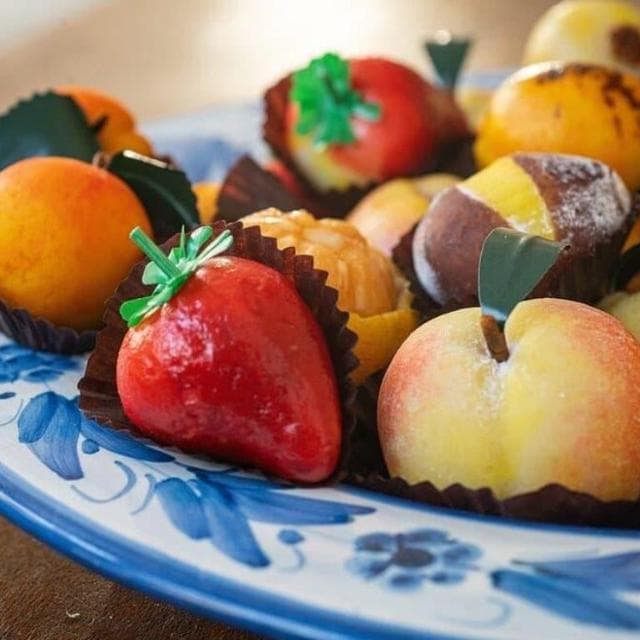
In short, the "treat" has always been part of Italian tradition. Now, the "trick" has arrived from the US, gradually colonizing the imagination around All Hallows' Eve and turning the commemoration of the dead into a cemetery-themed event generating a billion-dollar business.
The League of traditions
That is why Halloween—boosted by cinema, horror literature, TV shows, music videos, and the merchandise industry—currently enters the match as the heavy favourite.
Our own All Saints' Day, meanwhile, looks like a team without a coach: its manager was sent off by secularized society that dismissed religious holidays as relics of an obscurantist past and now laments their disappearance.
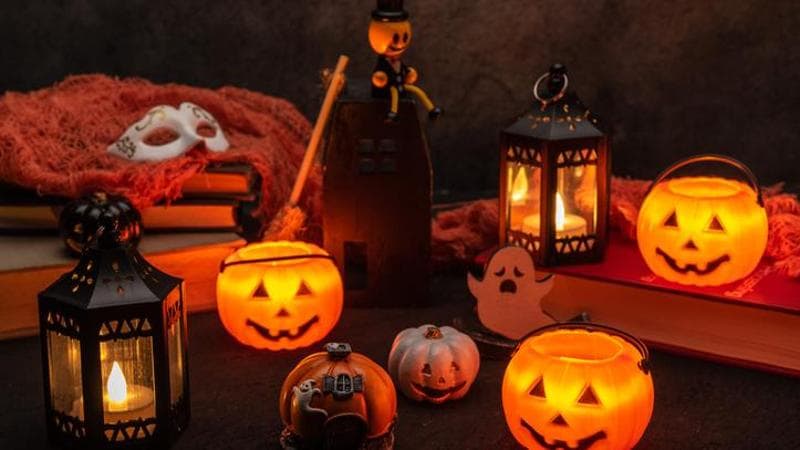
However, the championship of traditions is a long one, played out over centuries. Even if Halloween seems unstoppable for now, it has only won the opening matches.
And there is no guarantee it will be crowned champion in the end.
This article was reviewed by an external translation partner