
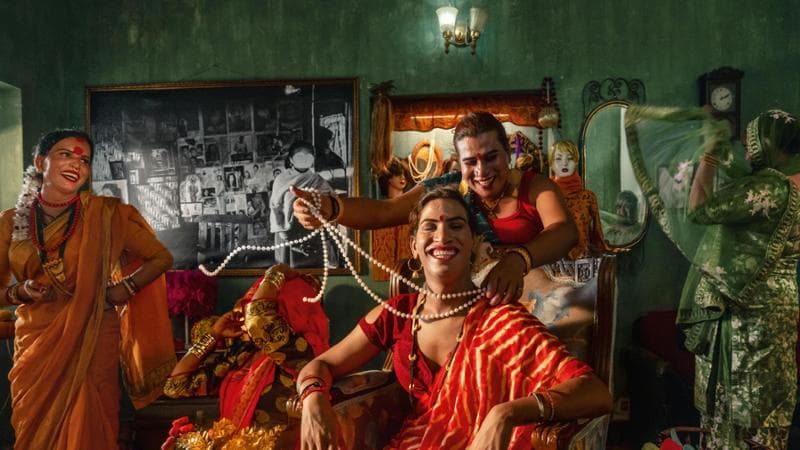
NEW DELHI – To mark its 53rd anniversary, the Pirelli Calendar is heading to Asia to capture the vibrant colours and striking contrasts of India. This edition marks a departure from tradition, with three photographers joining forces behind the camera.
“Three artists in the room”
The project began with Raghu Rai, a legend of Indian photography who passed away last April. His daughter, Avani Rai, then took up her father’s legacy, co-creating the calendar’s images alongside Norwegian photographer Sølve Sundsbø, who had also shot the 2026 edition.
“It was as if there were three artists in the room,” Avani Rai reflected. “Two physically present, and one who continued to be there through his photographs.”
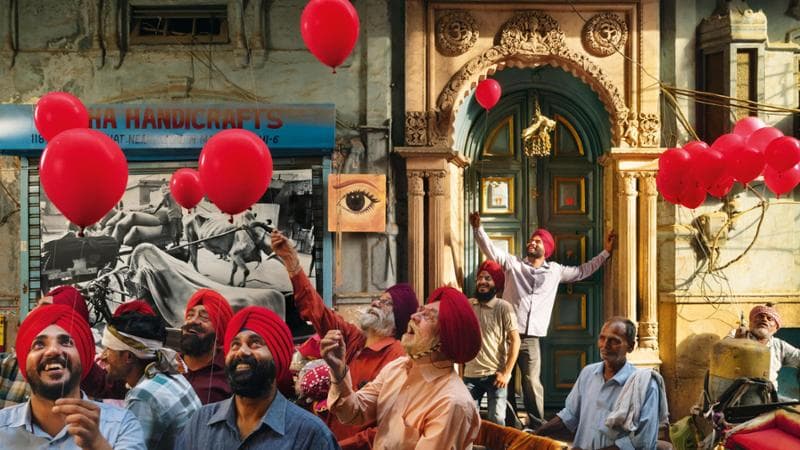
In front of the lens, a rich mix of talent mirrors the burst of colour defining this edition: actresses Aditi Rao Hydari and Avantika Vandanapu; actress and producer Freida Pinto; musician and composer Anoushka Shankar; poet and performer Rupi Kaur; models Lakshmi Menon and Bhavitha Mandava; author, producer, and TV host Padma Lakshmi; and Avani Rai herself, captured through Sundsbø’s lens.
A thread between past and present
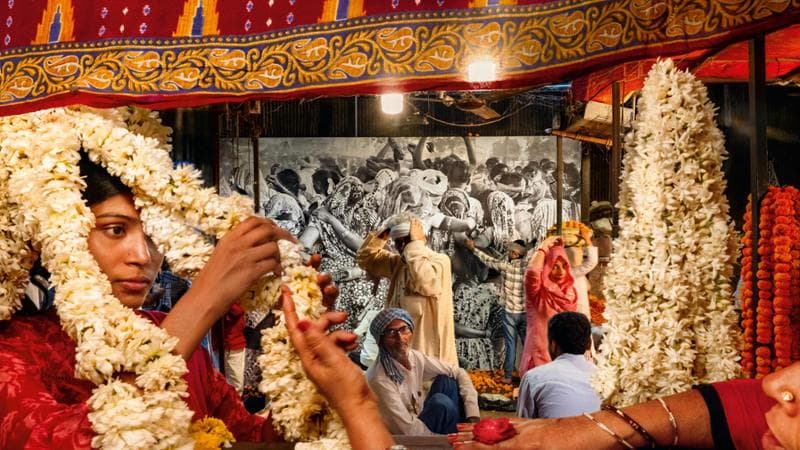
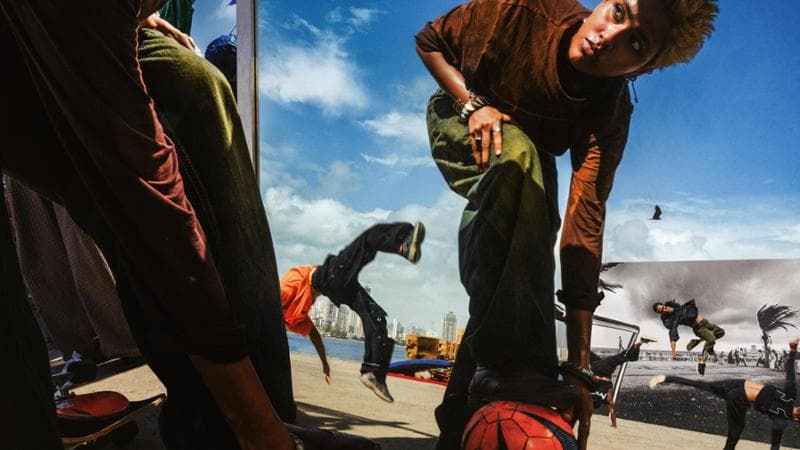
The connection between past and present is a defining feature of the young photographer’s work. Building on the ideas and work begun by her father, Avani took Raghu Rai’s historic photographs of India back to the places where they were originally taken, juxtaposing them with the present -day reality of those locations.
“My father belonged to the streets. That’s why I took the concept he was developing and brought it back into the streets, among the people he had spent a lifetime photographing,” Avani explained. History revived within the everyday: “The past will always continue to exist in the present.”
“A one-on-one relationship”
Sundsbø’s approach was diametrically opposed, almost that of an outsider. “When I was first approached, my immediate reaction was: ‘I can’t do this, it’s impossible.’ I felt I had no right to step into India and try to photograph it. Then I realized what I could do instead was photograph people. That becomes an individual interaction—a one-on-one relationship—rather than adopting a wide-angle perspective in an attempt to capture the essence or soul of a country,” the Norwegian photographer explained.
“I chose to focus on the people, leaving Raghu’s—and later Avani’s—eye to capture and convey the country's most authentic soul,” said Sundsbø, who photographed the nine Indian artists featured in the calendar.
AI-generated calendars?
Is the Pirelli Calendar still relevant today? “Quality products don't age,” replied Pirelli Executive Chairman Marco Tronchetti Provera when journalists in New Delhi asked whether the iconic artistic creation was beginning to show its age, having passed the half-century mark.
“The Calendar endures thanks to the quality of the work and the artistic expression of those who bring it to life, year after year.” There is no sign that the Calendar’s story will come to an end anytime soon—not even amidst the upheaval caused by artificial intelligence in photography and the wider creative industries.
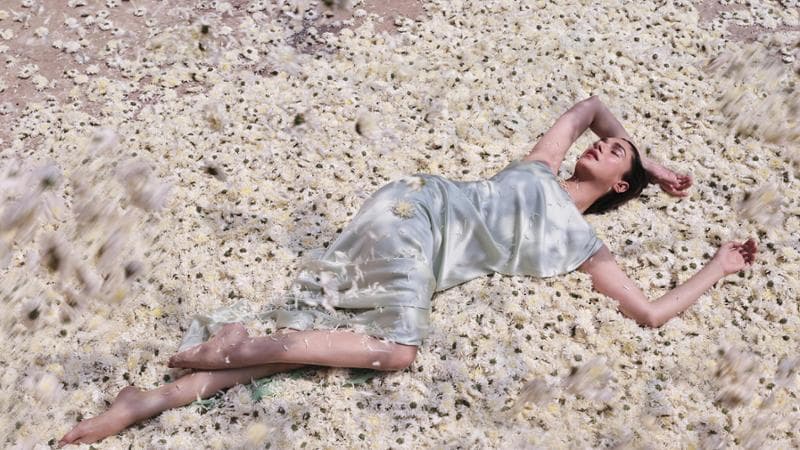
“The thought of an AI-generated Pirelli Calendar saddens me ” commented the senior Pirelli executive. “AI is perfect and remarkable, but the sophistication that comes from the experience of someone who has spent forty or fifty years trying to capture a moment is something entirely different. AI will never have that.”
An ode to imperfection—strictly for photography, of course, not tires.

This article was reviewed by an external translation partner