
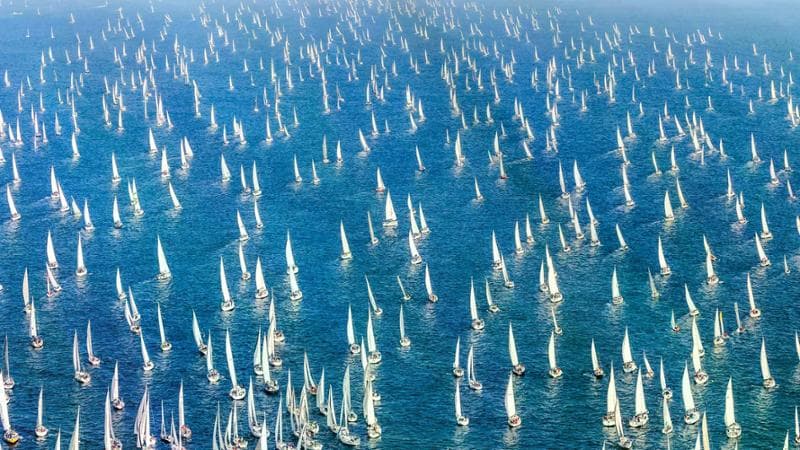
Got a sailing boat? Then you can take part. Barcolana, Europe’s biggest celebration of the sea, is taking over Trieste, on Italy’s eastern border, the former multicultural port of the Habsburg Empire. More than 500 events are scheduled across over 100 locations, on land, in the lagoon and, of course, at sea. Yet this huge event, which entered the Guinness World Records as the world’s largest sailing race, with 2,689 boats registered in 2018, began almost by chance.
How it all began
In 1969, a small group of friends, the founders of the Società Velica di Barcola e Grignano sailing club, came up with the magic formula over drinks in a bar. No handicaps, no measurement rules, no ratings: everyone races together and the first boat across the line wins. Fifty-one boats took part.
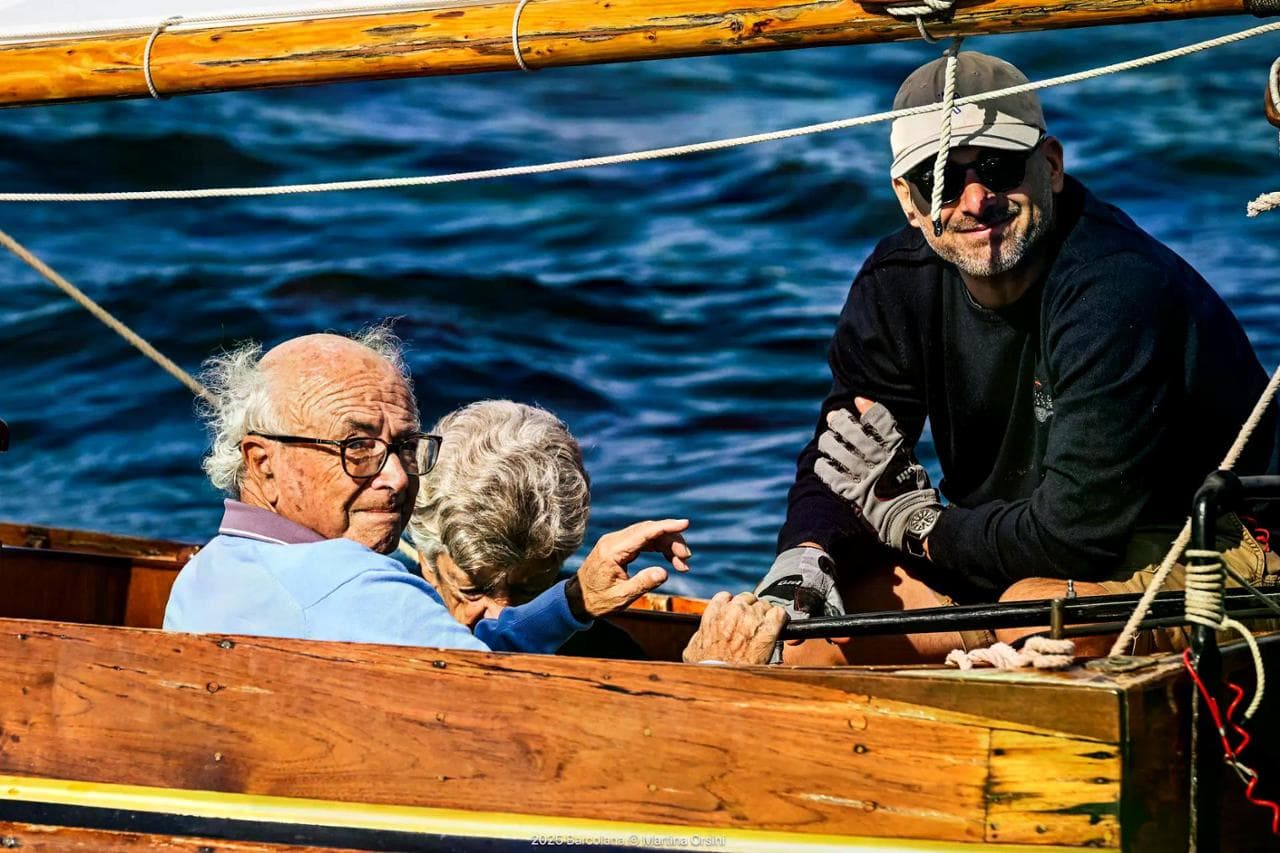
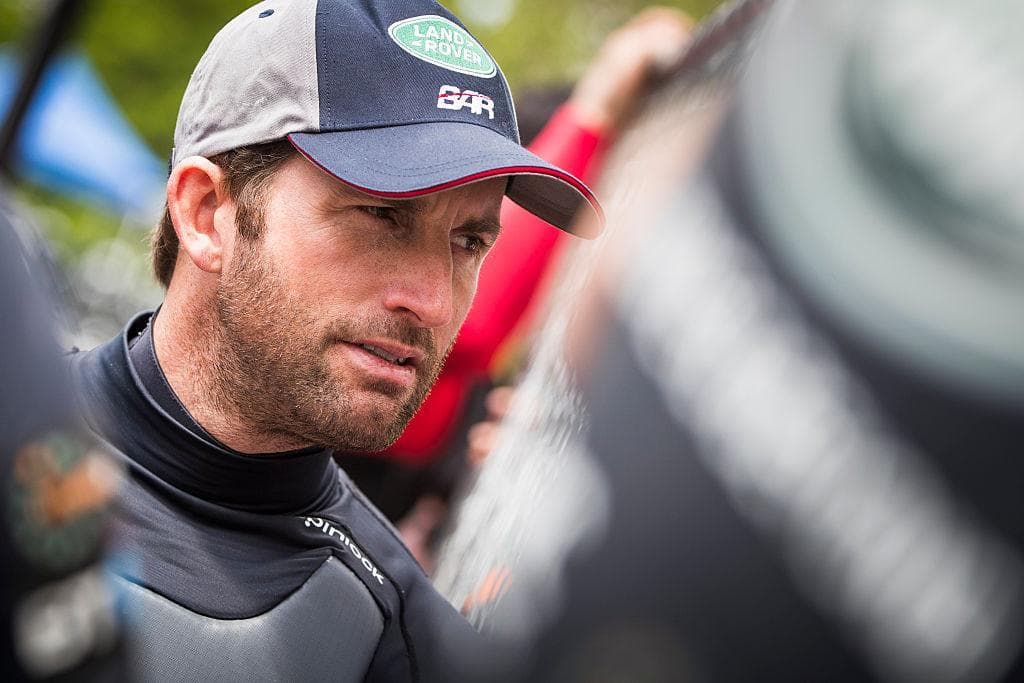
Barcolana grew year after year. It became the place where world-class champions race alongside occasional sailors; where spectacular maxi yachts line up at the start alongside tiny boats whose galleys resemble neighbourhood taverns; where sailing belongs to everyone and is open to everyone. Or, as British sailing legend Sir Ben Ainslie put it: “Something I’ve never done before.”
Sailing’s pop capital
For the ten days of Barcolana, Trieste — the city just a stone’s throw from Slovenia where James Joyce worked as an English teacher, journalist, clerk, singing student and translator — becomes sailing’s “pop” capital.
Piazza Unità d’Italia, Europe’s largest square overlooking the sea, with its buildings reflecting the splendour of the Habsburg era, becomes the heart of the event. And the Rive — Trieste’s waterfront, linking the city centre to the sea — are transformed into a village built around sailors, with an astonishing number of stands selling everything from local food and DOC wines to clothing and sailing equipment.
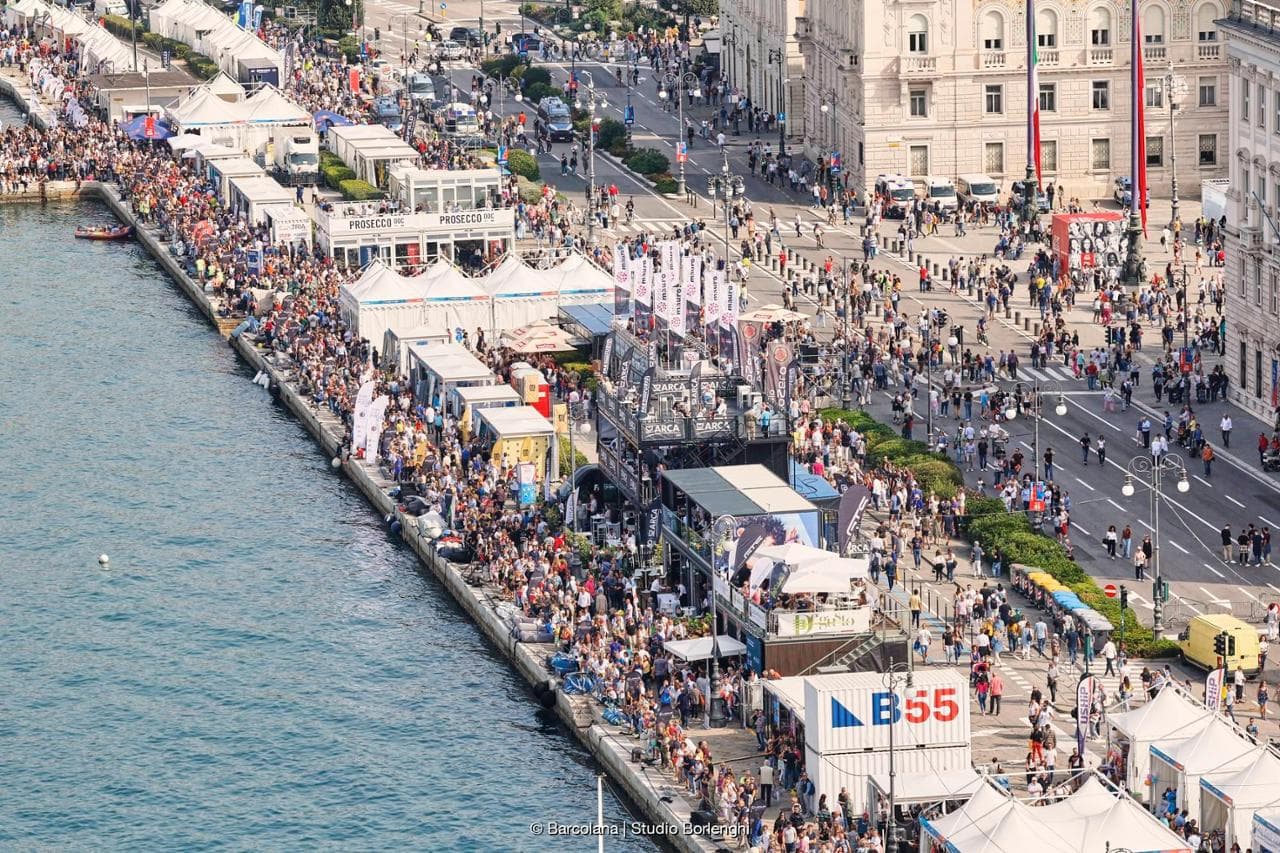
But the village itself is constantly evolving. Year after year it expands, taking over new parts of the city, because by now the Barcolana is all-encompassing.
The international regatta
The sea, however, remains the undisputed star. And the highlight, bringing the festival to a close, is always the historic international sailing race held on the second Sunday in October.
On Sunday 11 October, the starting gun fires at 10.30am. The 13-mile course forms a quadrilateral, with the finish line off Piazza Unità. The most spectacular moment is the start itself, when the water seems to disappear beneath an endless expanse of sails — tiny, small, large and enormous.
The champion to beat
Barcolana, of course, has a champion to beat. Furio Benussi’s 100-foot maxi yacht Arca SGR has won the most recent editions and is now chasing yet another consecutive victory.
Benussi, Arca SGR’s owner and skipper, is Triestino through and through.
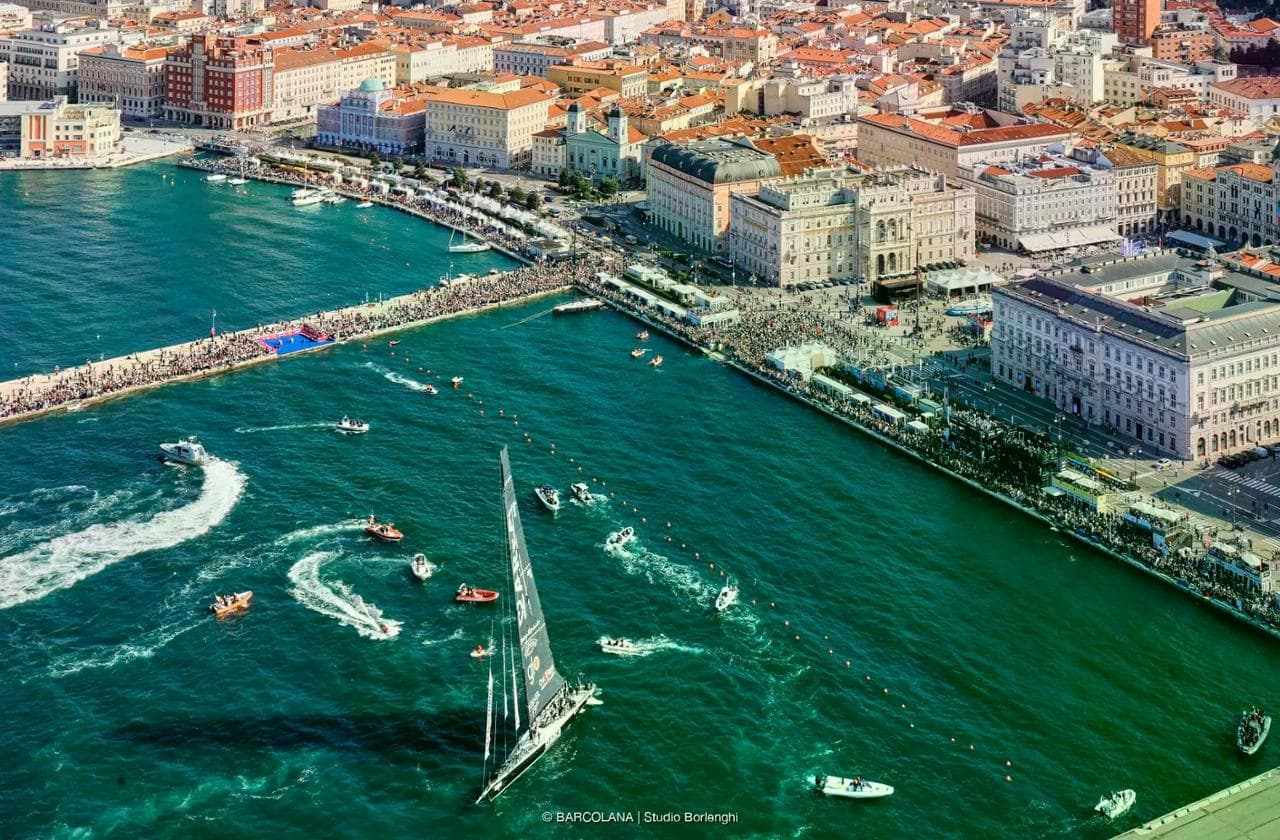
He races in his home waters and has the record of a true champion, with world, European and Italian titles to his name. He also belongs to a sailing dynasty: his brother Gabriele is a renowned tactician, while his daughter Marta is carrying on the family tradition.
Sailing stars at 2026 Barcolana regatta
Barcolana is never short of big names. This year they include James Spithill, a two-time America’s Cup winner; Ivica Kostelić, the former world champion skier turned offshore sailor; and Olympic swimmer Luca Dotto.
And then there is Wendy Schmidt, the American philanthropist and sailor who became the first woman to win the race, aboard Deep Blue. “La Wendy”, as the people of Trieste call her — they have more or less adopted her as one of their own — is back with two initiatives designed to promote greater knowledge and protection of the ocean.
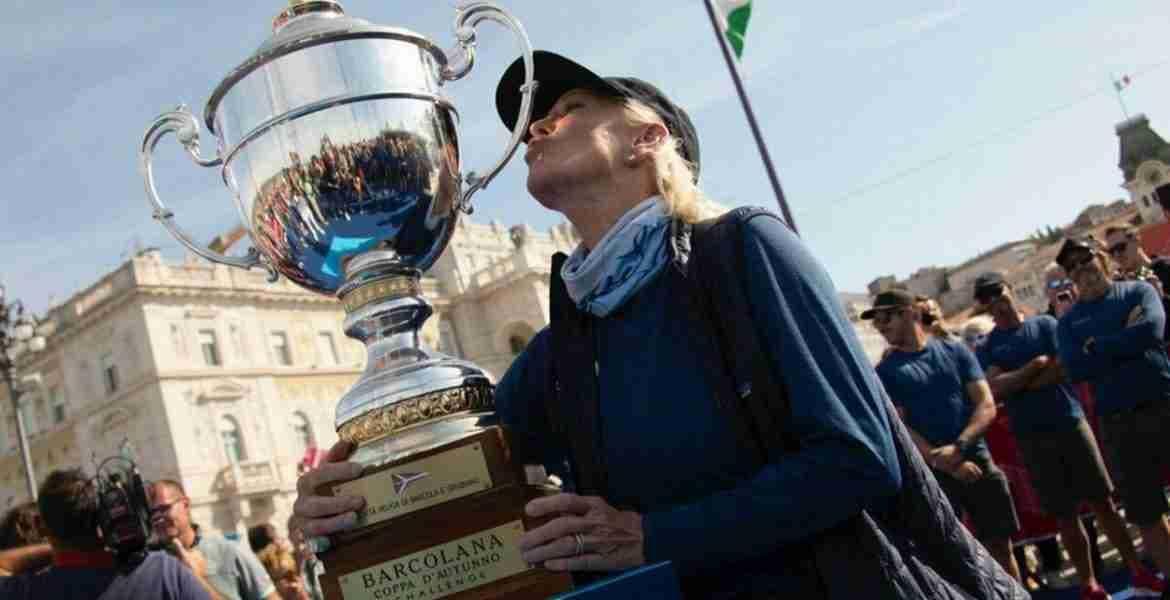
The first is the Deep Blue Exploration Zone, an interactive science pavilion focusing on biodiversity and blue carbon. The second is the immersive tunnel experience The Ocean in Me, a ten-minute journey that begins in space and descends into the ocean depths, with images captured by the Schmidt Ocean Institute’s underwater robot. Both can be found in Piazza Unità.
Ten days of racing and the Amerigo Vespucci
The ten-day programme, built around the theme “Be Barcolana” and a 2026 campaign image by Serse Roma, is packed. Races and sporting events follow one another at such a pace that it is impossible to list them all.
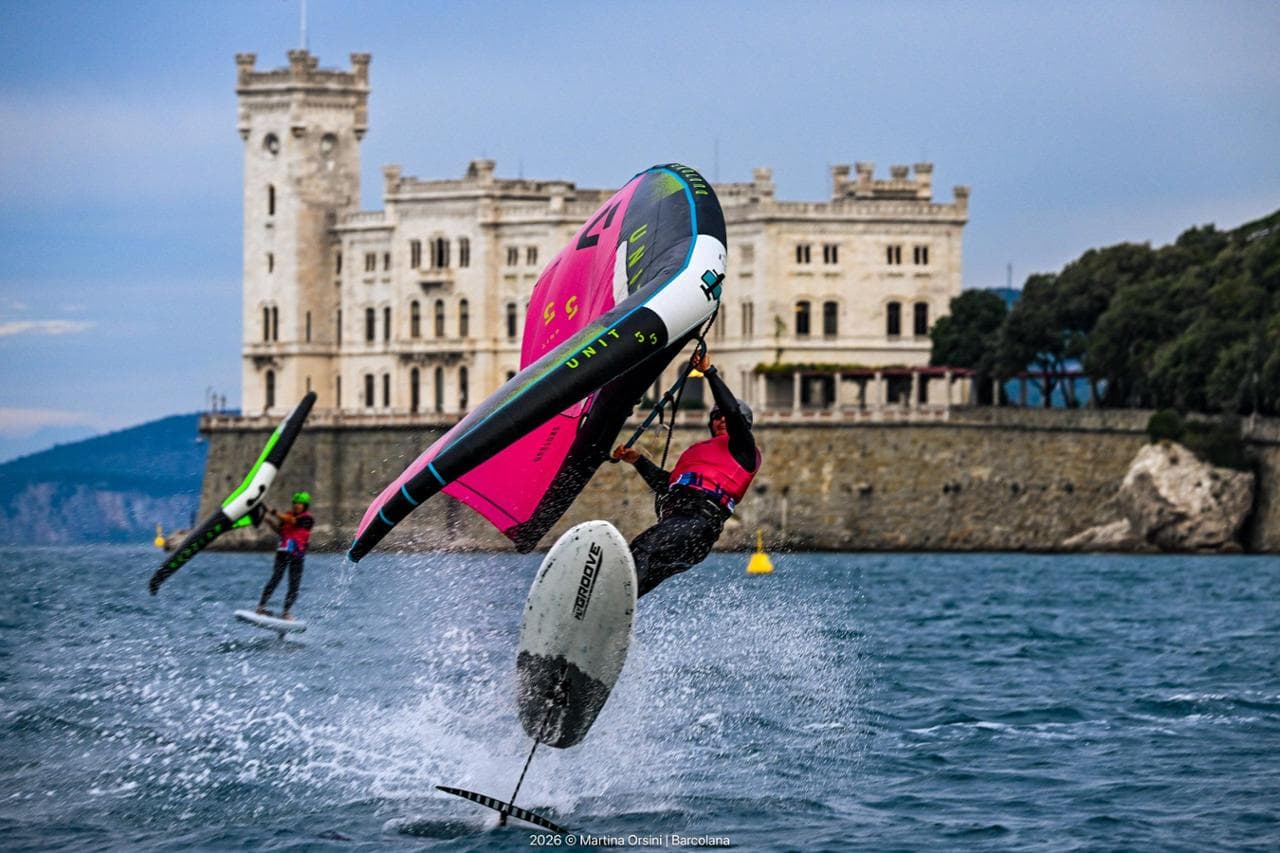
There is a swimming race, a stand-up paddleboarding competition, the Women in Sailing by Generali regatta — backed by the insurance giant that has long supported Barcolana — and the Classic regatta, where vintage yachts compete against one another.
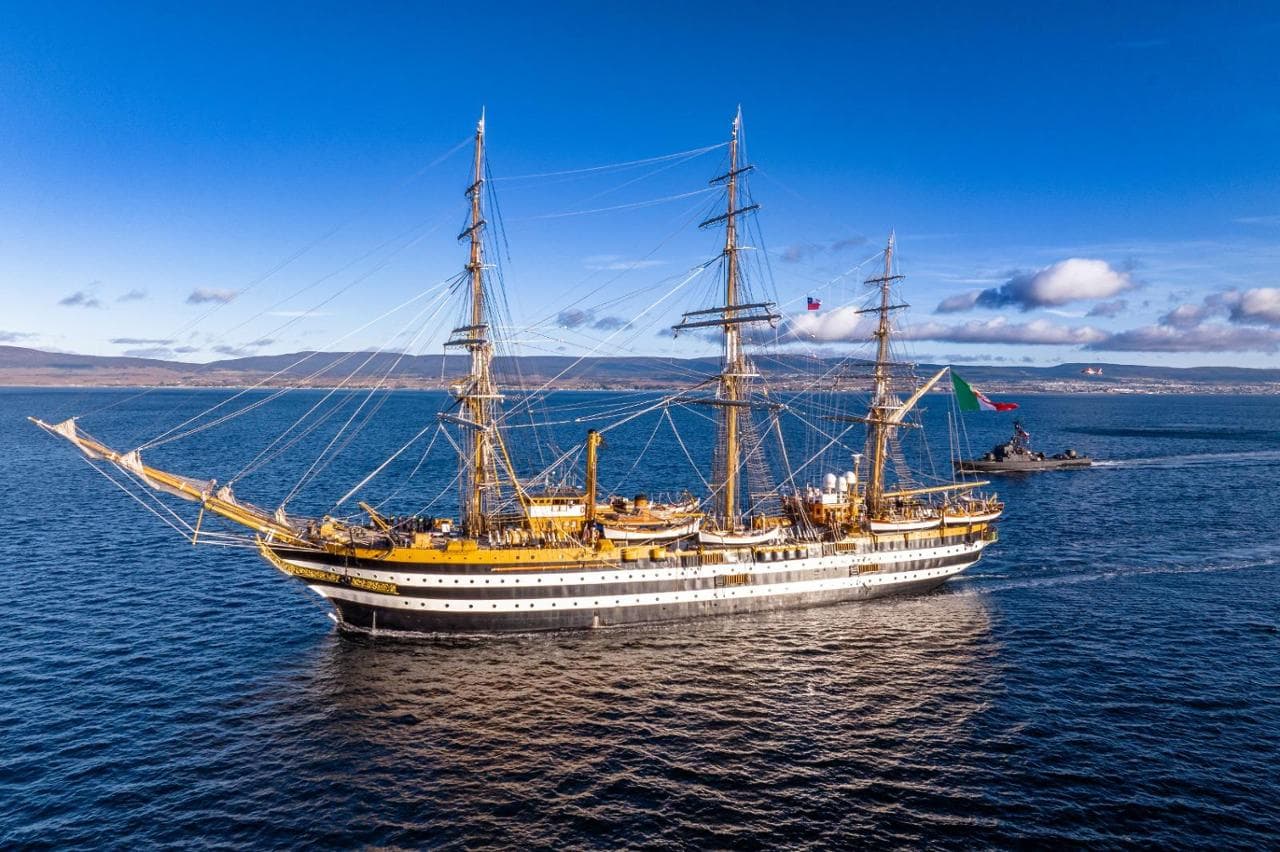
There are also the “boats of legality”, night races and, as guest of honour, the Amerigo Vespucci, the Italian Navy’s training ship, regarded by many as the most beautiful ship in the world.
Culture and inclusion
But Barcolana is not just about the sea. On land, too, the programme is vast. There is, for example, the Un mare di racconti literary festival, as well as exhibitions, concerts and talks. The Sea Summit conference focuses on artificial intelligence for the maritime world and the blue economy, while there is even a Barcolana SKI event featuring Kristian Ghedina and Tina Maze.
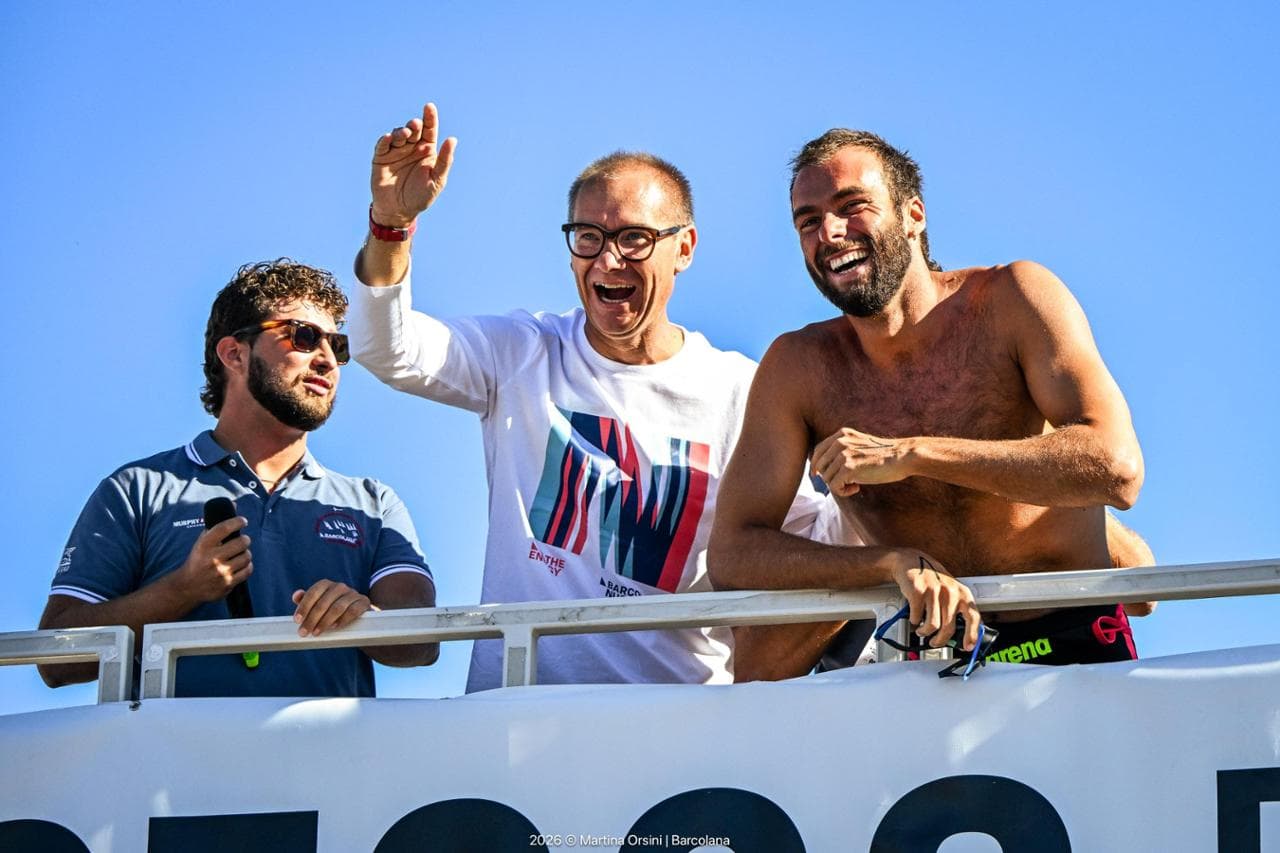
At the helm of this vast operation is Mitja Gialuz, president of the Società Velica di Barcola e Grignano, but the organisation involves more than a thousand people, including a huge number of volunteers.
One piece of advice? If you happen to be in Trieste during Barcolana, simply head down to Piazza Unità, walk along the waterfront, wander through the streets of the centre or even venture out into the suburbs.
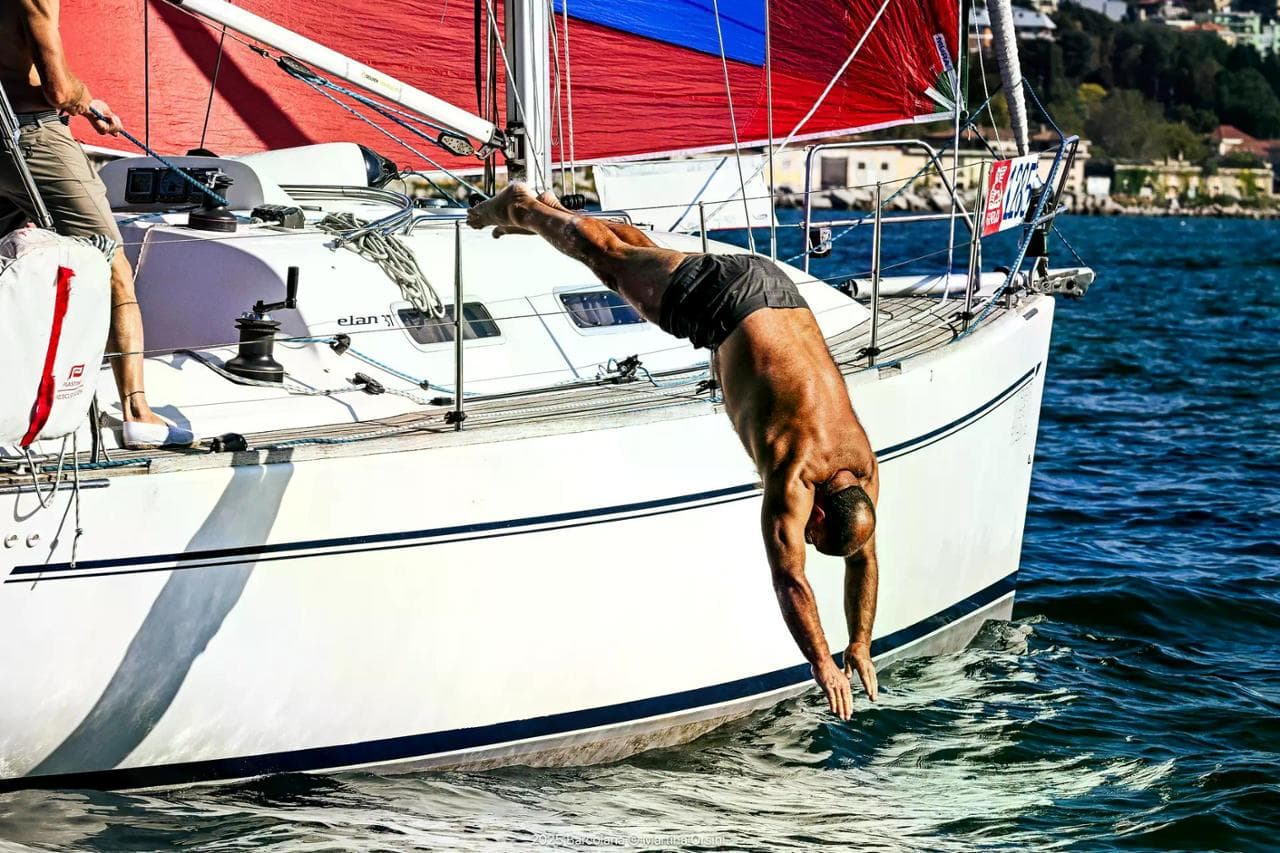
You won’t need to look for Barcolana. Barcolana will find you.
The translation of this article was reviewed by a Language Service Provider