
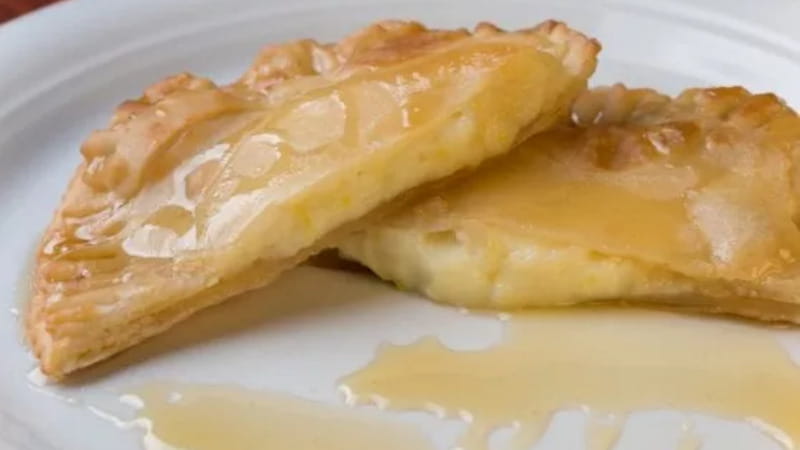
“Everyone loves seadas, and they’re for everyone—from young children to adults,” explains Marina Ravarotto from her restaurant, ChiaroScuro, in Cagliari. “Tourists go crazy for them; locals here in Cagliari prefer them with wildflower honey, while I personally like mine with sugar.”
Her seadas are famous in the area. “Seada is a permanent fixture on my menu—I never take it off—and I serve it in two variations: with wildflower honey and with strawberry tree (corbezzolo) honey.”
The chef assures us that they can easily be made at home. It isn't difficult; you just need to pay attention to a few key steps.
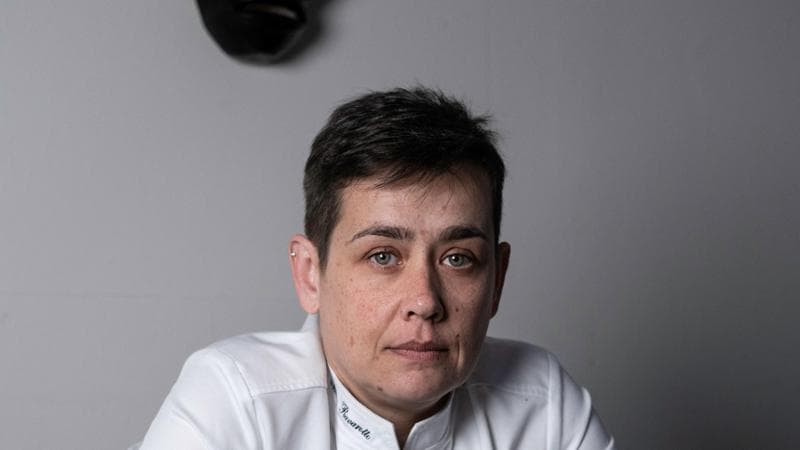
Here, then, is the perfect step-by-step recipe provided directly by Chef Ravarotto for preparing seadas.
Ingredients (makes about 10 seadas)
250 g Italian “00” flour
250 g Semolina (semola)
250 g Water
250 g Primosale cheese
130 g Lard (strutto)
1 tsp Sugar
1 Egg
A pinch of Salt
Zest of 1 lemon
Honey (to taste)
Which cheese to use?
“For seadas, I use primosale, a mild, soft sheep's milk cheese found in our area that melts well when cooked. It isn't an ingredient you can find everywhere; in fact, it's quite rare. When I can't find it, I use a cow's milk caciotta.
Some people in Cagliari prepare them with provola, but it depends heavily on the area—here, you move just a short distance away and the ingredients and habits change. Outside of Sardinia, it can be tricky to find the right cheese. As an alternative, you can use a more common, soft cheese like Dolcesardo, especially if you aren't fond of sheep's milk cheese.”
The dough
Combine the semolina, flour, and salt. Add the lard and work it in with your hands until the mixture reaches a sandy texture. Pour in the water a little at a time, and finally add the egg. Knead until the dough smooth, firm, and even in texture. Cover the dough and let it rest in the refrigerator for about 1 hour.
The cheese calls the shots
In the meantime, cut the primosale into pieces and melt it in a skillet over low heat with the lemon zest and, if desired, a teaspoon of sugar. Stir until you get a soft, smooth mixture. While still warm, spread it out onto a slightly dampened surface or a sheet of parchment paper. Allow it to cool, then cut out discs that are slightly smaller than the ones you will make for the dough.
“The delicate part is precisely the melting of the cheese: it calls the shots. If it splits or curdles, it’s ruined and has to be thrown away. For making them at home, I recommend using a caciotta, because it’s less finicky and melts more easily.”
Shaping the seadas
Roll out the dough to a thickness of about 2 mm and cut out discs using a pastry cutter (use whichever size you prefer). Place a disc of cheese in the center of half of the dough discs. Cover with the remaining dough discs, press out any trapped air, and seal the edges tightly.
Never flip a seada!
Heat sunflower oil to 170 °C (340 °F). Fry one seada at a time, continually spooning hot oil over the top surface until evenly golden brown. Drain on paper towels and serve immediately with honey.
“A seada should never be flipped while frying: instead, you must continuously spoon hot oil over the top. This causes it to rise and puff up, giving the pastry a light, airy texture. Cooking takes very little time—two to three minutes at most.”
Serve hot
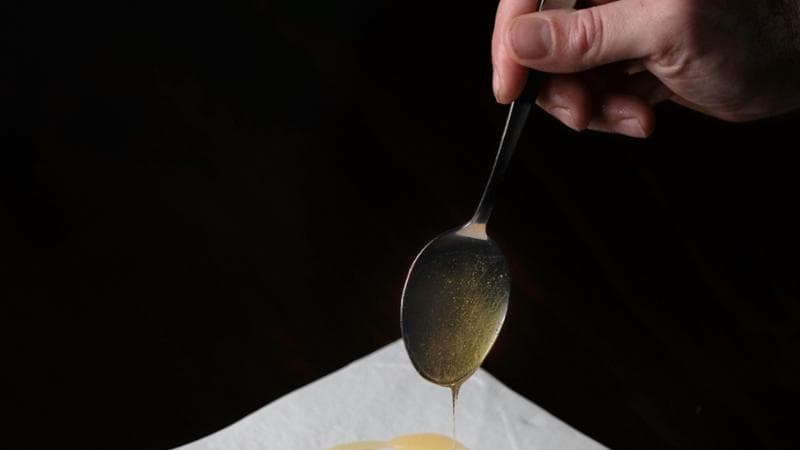
The seada should be served hot, with any excess oil drained off and your choice of honey added to taste.
This article was reviewed by an external translation partner