
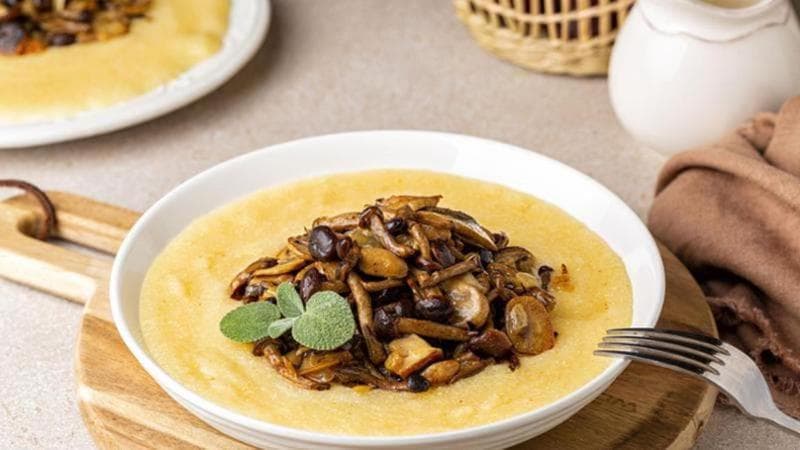
Long before becoming the star ingredient of traditional risottos, mushrooms were a culinary enigma. They grew wild, required neither sowing nor cultivation, promised rich, earthy flavors, yet carried lethal dangers.
A centuries-old legacy
Lombardy has built a history around this forest delicacy spanning at least six centuries—one where suspicion and desire, folk knowledge and fine dining, dietary necessity and the pursuit of flavor continuously intersect.
As early as the 15th century, Master Martino da Como described fried and roasted mushrooms prepared with garlic, lard, and spices in his seminal cookbook Libro de arte coquinaria. Before cooking, however, he recommended boiling them first: a precaution rooted in the scientifically unfounded belief that such treatment could neutralize their toxicity.
The deepest history of the mushroom, however, unfolded far from royal courts, deep within the forests of Valtellina, Valchiavenna, Valsassina, and the valleys around Bergamo and Brescia. Here, foraging meant intimately knowing the terrain, recognizing species, and deciphering rainfall and changing seasons.
The 19th-century turning point
Porcini, chanterelles (finferli), and honey mushrooms (chiodini) entered daily home cooking, served alongside polenta, grains, and meats. Drying extended their shelf life well past autumn, turning a perishable product into a reserve of rich aromas for winter.
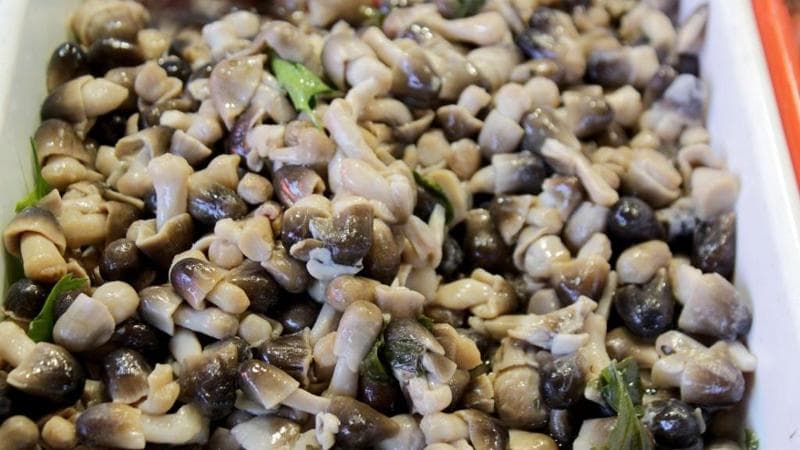
The turning point of formal culinary codification came in the 19th century. In 1891, Pellegrino Artusi recorded a recipe for Risotto coi funghi featuring porcini, vegetables, tomato, and Parmigiano—a dish far removed from today’s concept of a white, creamy risotto, testifying to a gastronomy in constant evolution.
Entering the world of fine dining
In the 20th century, mushrooms secured a permanent spot in high-end gastronomy. A prime example was the risotto with mushrooms and mild cheeses created in the 1950s by Mary Muffolini at Miramonti l'Altro in Concesio, later preserved and refined by chef Philippe Léveillé.
Today, the culinary approach goes far beyond simple product recognition. Techniques like fermentation, extraction, dehydration, and flavor concentration allow chefs to work with mushrooms as a complex medium capable of generating deep umami notes and unexpected textures. No longer confined to being spooned over polenta or stirred into risottos, the mushroom can now define the entire identity of a dish.
It marks a profound shift: from an unpredictable, feared, yet coveted wild forest yield to a subject of serious study for contemporary cuisine.
Tagliatelle with porcini at CreDa: porosity and mantecatura
CreDa Milano – Via Orti 12 – 20122 Milano
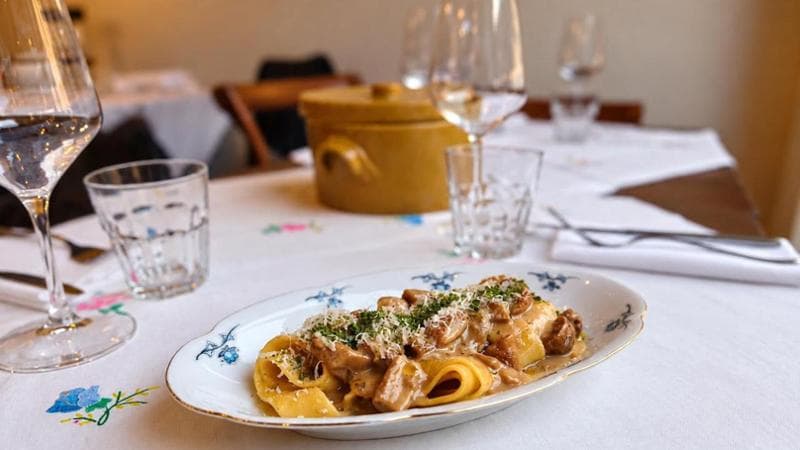
The ultimate classic. Indeed, tagliatelle ai funghi porcini is one of the great culinary rituals of autumn. The secret lies in the harmony between the egg pasta—with its porous texture—and the meaty firmness of the mushroom, which releases earthy aromas and hazelnut undertones as it cooks.
Though seemingly simple, this dish hinges entirely on the slicing of the porcini, moisture control, and the mantecatura (the final emulsification step), which must bind the ingredients together without overpowering them.
The version served at CreDa in the Porta Romana neighborhood is a must-try.
Founded by Crescenzo Morlando and Dario Pisani, this popular neighborhood deli combines a take-away counter with express hot kitchen service, blending solid Neapolitan roots with a modern touch.
Three mushrooms and textures: forest floor on a plate at Identità Golose
Identità Golose – Via Romagnosi 3 20121 Milano
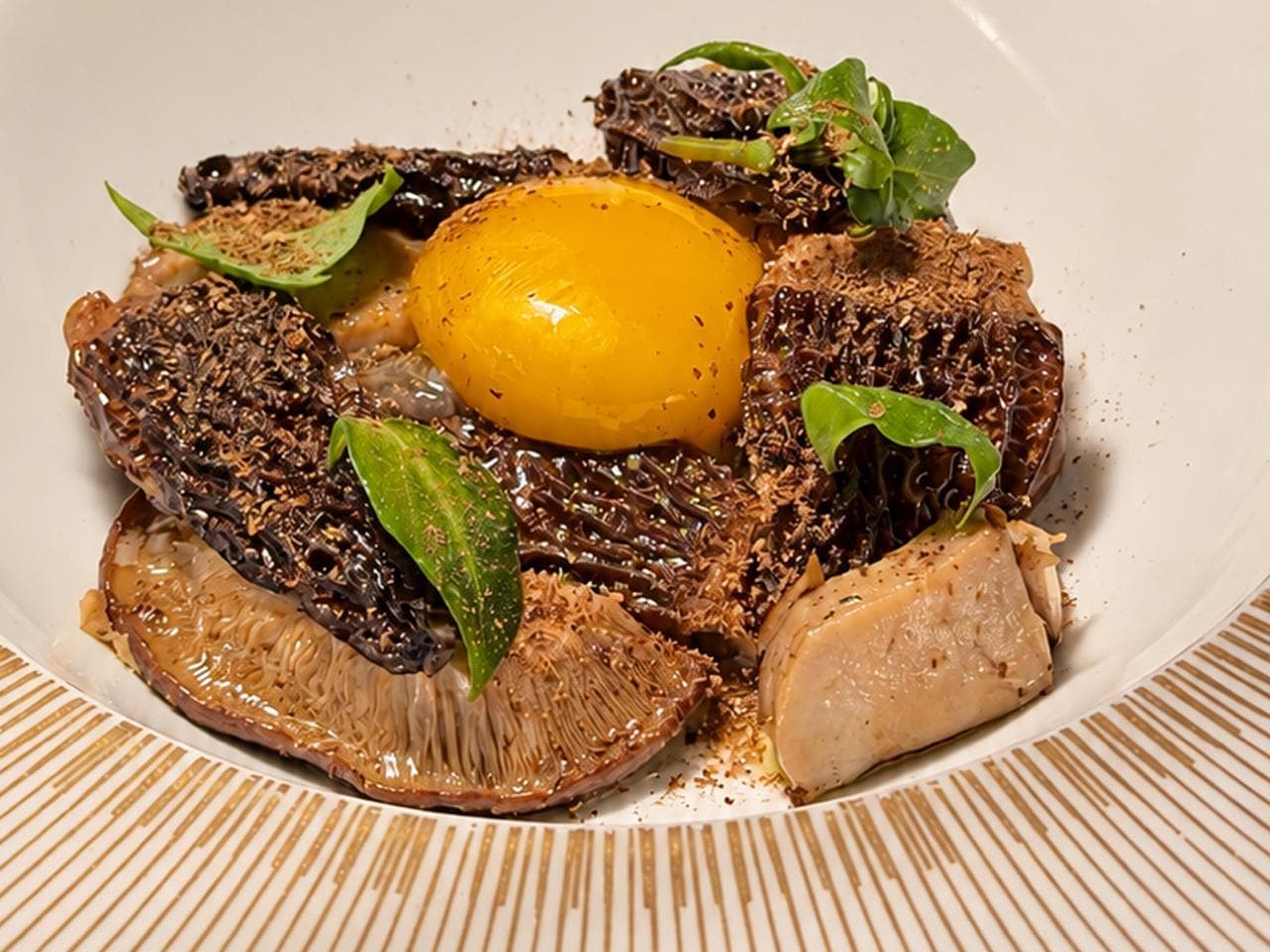
The avant-garde option. Three varieties, three distinct aromatic identities. Edoardo Traverso, resident chef at the Identità Golose culinary center, crafts a vegetarian starter that plays on the contrasting structure of the mushrooms: meaty porcini, firm king oysters (cardoncelli), and honeycomb-textured morels (spugnole).
A two-stage cooking technique—gentle at first, followed by high-heat searing—concentrates the flavors and brings out roasted notes.
Beneath sits a smooth cream of button mushrooms (champignon) and king oysters; above, an egg yolk cooked in oil introduces a rich, velvety element.
Porcini powder and mushroom herb (erba fungo) round out the aromatic profile.
Gio Gio’s: raw porcini served with pecorino
Gio Gio's – Via Caminadella 7 – 20123 Milano
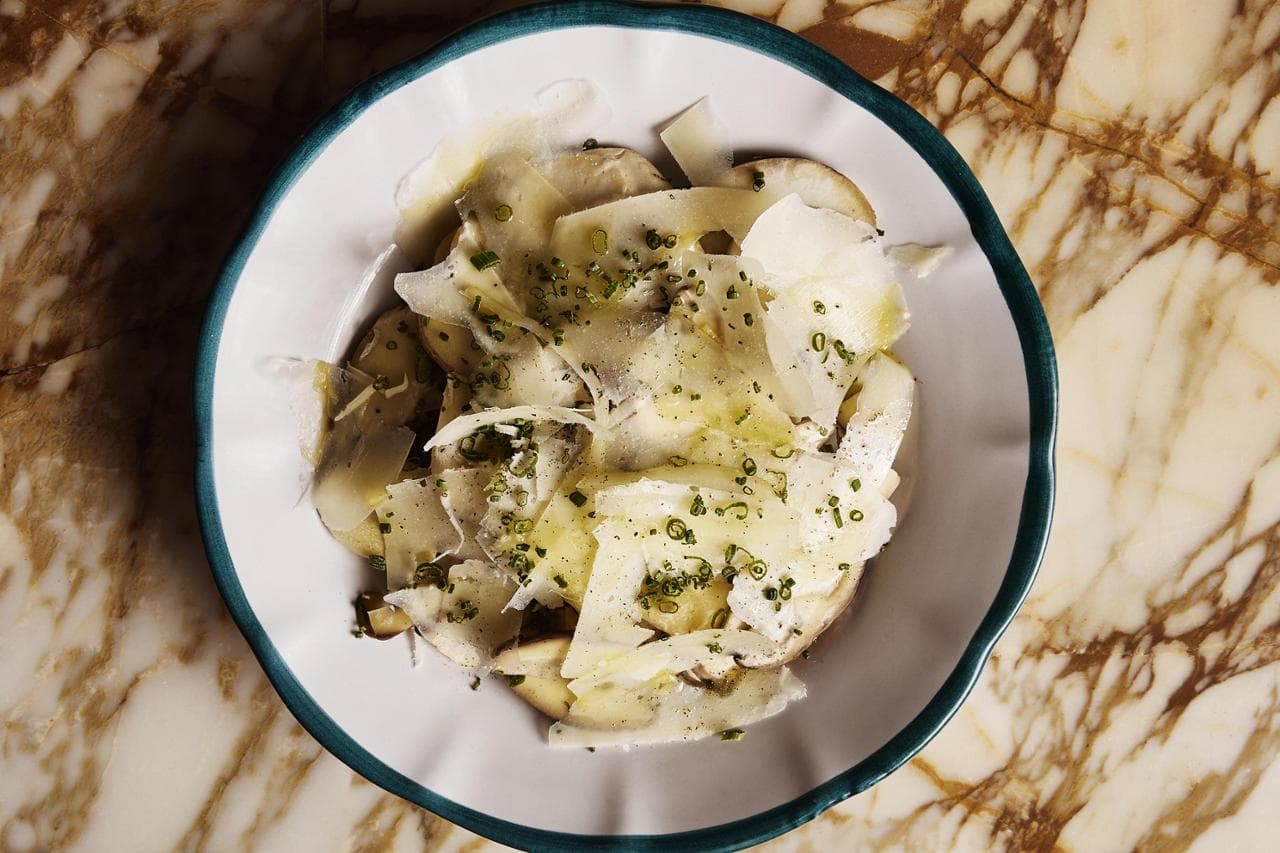
Raw porcini is another enduring autumn staple, preserving an aromatic nuance that heat tends to alter: notes of damp woods, fresh hazelnuts, and a firm, almost crunchy bite.
At Gio Gio’s, raw porcini is served with an unconventional pairing: pecorino cheese instead of the traditional shaved Parmigiano. The sheep’s milk cheese adds saltiness, richness, and a lactic note that cuts through the mushroom's earthy undertones. It is an exercise in restraint where raw freshness and precise knife work are everything.
The dish is presented by Raphael Duntoye, chef-owner with a background at London's La Petite Maison and The Arts Club.
Al Bellariva: porcini in a scaloppina alla cacciatora
Bellariva – Alzaia Naviglio Grande 36 – 20144 Milano
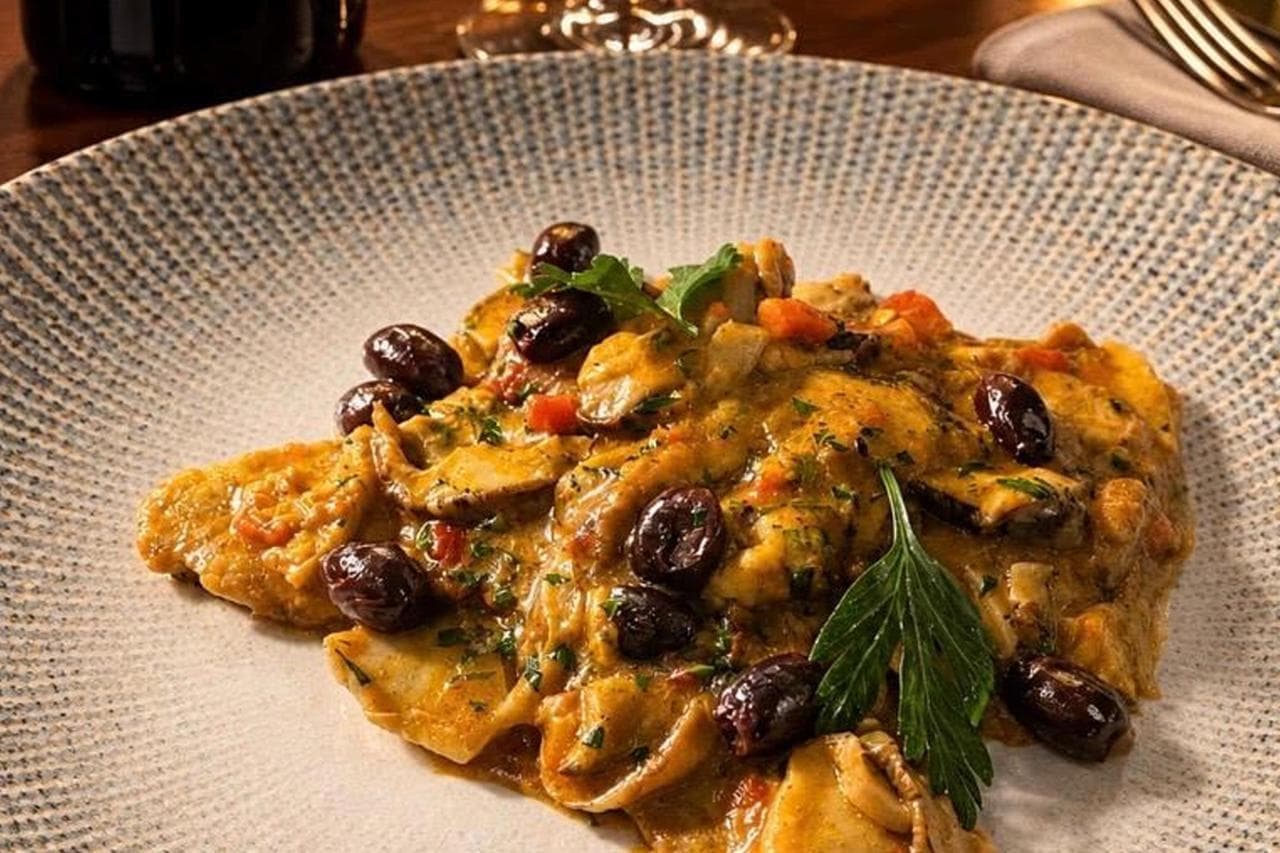
Here, porcini joins veal in a cacciatora ("hunter's style") preparation, pairing the quick searing of a scaloppina with a sauce of tomatoes, aromatic vegetables, and olives.
At Al Bellariva in Milan, chef Bruno Begazo works with veal rump (fesa): the meat is tenderized, lightly floured, and pan-seared with tomato sauce, carrots, celery, Taggiasca olives, and porcini mushrooms. The flour helps thicken the pan juices, allowing the sauce to cling to the meat.
The mushrooms contribute a deep woodland flavor that complements the briny olives and sweet carrots—a variation on the scaloppina that expands the classic meat-and-mushroom pairing.
The exotic outsider: the pirate king in a mushroom hat at Izu
Izu - C.so Lodi, 27 - 20135 Milano
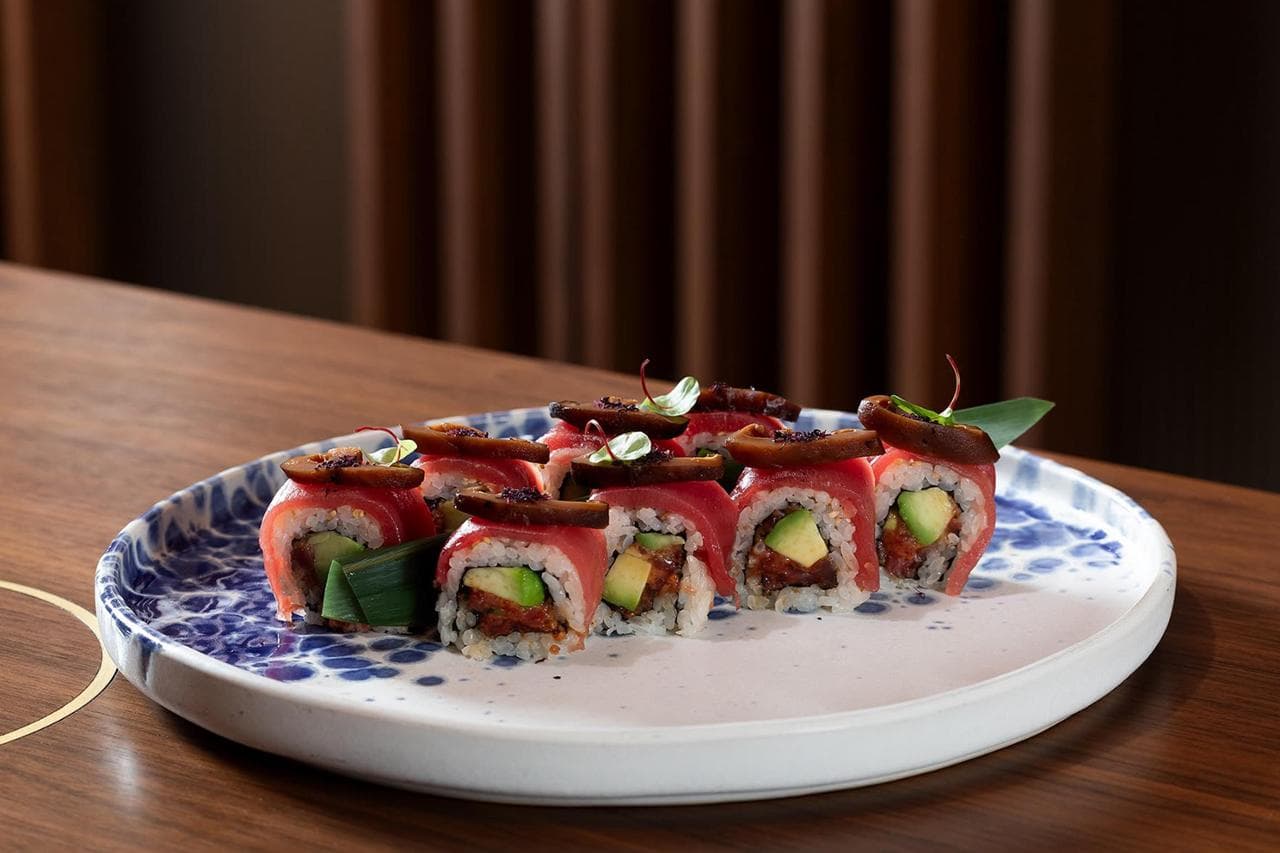
An uramaki roll inspired by Gol D. Roger, the legendary pirate king from the manga and anime series One Piece. Jin Yue Hu, chef-owner of Izu, interprets the character using the undisputed king of fish in Japanese cuisine: bluefin tuna.
Inside, three distinct cuts—akami (lean), chutoro (medium-fatty), and otoro (fatty)—offer varying fat ratios and a subtle spicy kick, balanced by creamy avocado. On the outside, tuna carpaccio is topped with a marinated shiitake mushroom whose dark cap recalls the pirate's iconic hat.
Fermentation and marinating enhance its umami, contrasting deep earthy tones with the sweetness of the fish.
Marking thirty years of creative Japanese cuisine in Milan, Izu delivers a stylish culinary homage to pop culture.
This article was reviewed by an external translation partner