
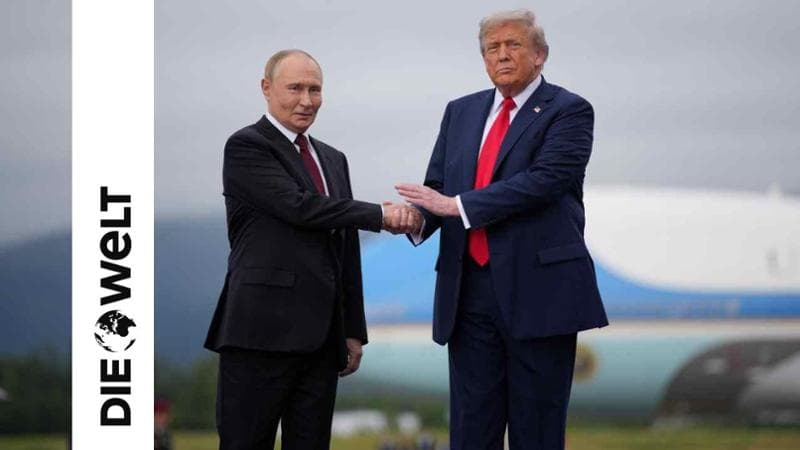
The scale of the support Vladimir Putin is now receiving from the US president has become so striking that even the conservative Wall Street Journal recently called for a “bipartisan investigation” in an editorial.
Congress must act after the elections, the newspaper argued, in the face of an “emerging alliance between Trump and the Kremlin against Ukraine, Europe and American interests”.
Volodymyr Zelensky added to the growing anger in Washington over Trump's Russia policy with a serious accusation. “I believe steps have been taken to persuade Ukraine to capitulate,” he told Bloomberg.
Politicians from both parties in the United States are now calling on Trump to change course.
Moderate Republican congressman Brian Fitzpatrick has announced House investigations, Democratic senator Ruben Gallego has threatened to subpoena Elon Musk, and Republican senator Roger Wicker, chairman of the Senate Armed Services Committee, has urged Trump to stop Putin.
The US president's support for Moscow extends across five key areas.
1. Suspending sanctions
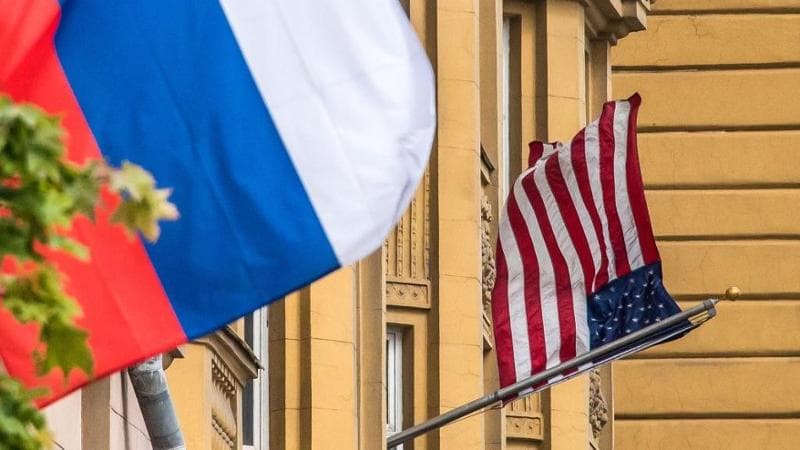
New sanctions against Russia were supposed to come into force on Sunday. That was the timetable set out in legislation passed by Congress with bipartisan support before the summer recess, championed by the late senator Lindsey Graham.
The measures would have imposed steep import tariffs on Russian imports and secondary sanctions on countries buying Russian energy.
But on Sunday, Trump announced that he would invoke a provision in the law allowing him to suspend the sanctions on national interest grounds.
“I don't want to do anything that drives Russia away from the negotiating table,” Trump wrote on Truth Social.
The decision drew criticism from both parties. Even Lindsey Graham's sister, Darline Graham, spoke out against the president.
“I would prefer to keep the pressure on Putin because I don't trust him,” she said.
Darline Graham was appointed to succeed her brother after his death and is now standing for re-election to his South Carolina Senate seat. Until now, she had avoided openly criticising the president.
2. Filling Putin's war chest
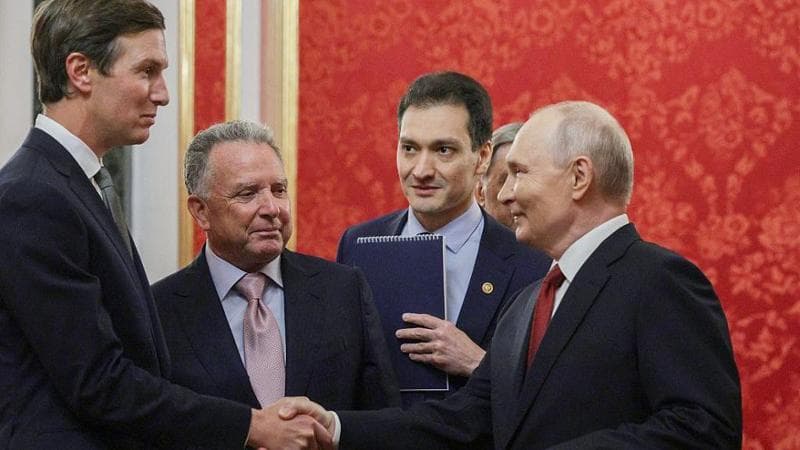
The diesel deal Trump struck with Putin in early October was reportedly just the beginning.
The Russian president agreed with his US counterpart to export up to 4.8 million tonnes of diesel, with the option of increasing that amount — a deal that would provide the Kremlin with valuable revenue to finance its war.
Washington would also like Europe to resume buying Russian gas. As The New York Times reported over the weekend, US negotiators Steve Witkoff and Jared Kushner briefed European officials and Ukrainian counterparts on the plan in September.
Zelensky had already expressed concern last week that Trump might follow the diesel agreement with a gas deal with Putin.
The diesel agreement marked a turning point in the Ukrainian president's approach to Trump. Abandoning his previously conciliatory stance, Zelensky began sharply criticising him.
Witkoff and Kushner have been discussing potential business deals between the two countries with Russian negotiators since last year.
According to The New York Times, the prospect of resuming gas exports to the West is being used as an incentive for Russia, offering Moscow both revenue and renewed influence in Europe.
3. Restricting Ukraine's military capabilities
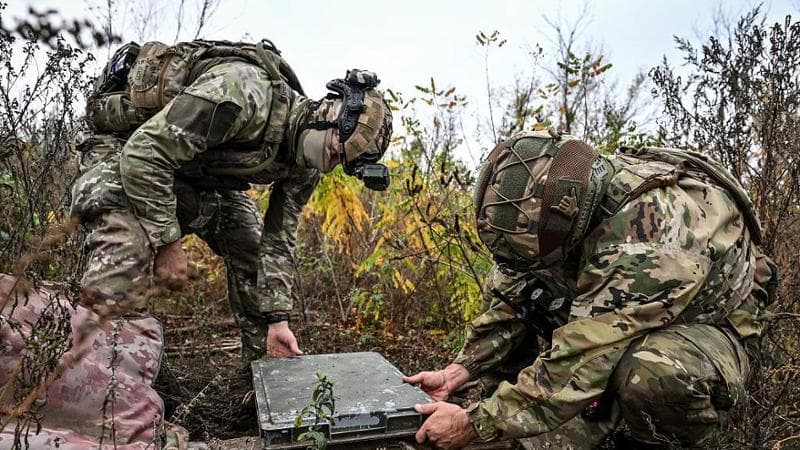
Particularly helpful to Russia are the military restrictions Trump is currently imposing on Ukraine.
Since the sudden announcement of an “energy ceasefire” on 11 October, the US president has demanded that Kyiv stop attacking Russian oil refineries.
Yet Trump has imposed no comparable restrictions on Russia. Moscow destroyed Ukraine's only oil refinery long ago.
According to Zelensky, Russian forces attacked energy facilities in 11 Ukrainian regions overnight from Sunday to Monday alone.
Meanwhile, restrictions on Starlink connection speeds remain in place for the Ukrainian military, putting Kyiv's defences at a significant disadvantage.
The system operated by Elon Musk's company SpaceX is essential for controlling drones.
As Reuters reported last week, the White House instructed the Pentagon to throttle connections to antennas travelling at speeds above 160 kilometres per hour — in other words, those mounted on drones.
Washington also appears to be slowing deliveries of Patriot missiles that have already been promised.
On Monday, Zelensky wrote on X that there were “delays in certain types of vital deliveries” from the US Department of War.
A week earlier, according to the Financial Times, US officials had threatened Kyiv with the termination of the Prioritised Ukraine Requirements List (PURL).
The NATO programme allows European countries to purchase American weapons for Ukraine.
4. Restoring Putin's diplomatic standing
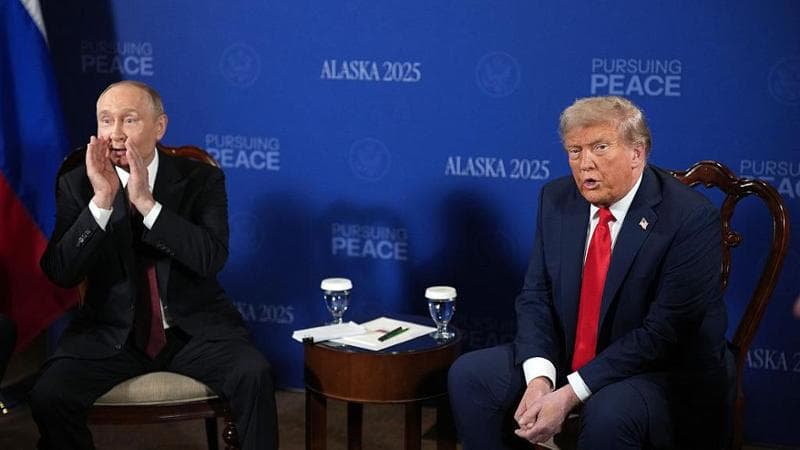
“I would do it,” Trump replied on Monday when asked whether he would attend a three-way summit with Putin and Xi Jinping to discuss ending the war in Ukraine.
According to a report in The Wall Street Journal, the Russian president himself had floated the idea.
All three leaders are expected to attend the APEC summit in Shenzhen, China, in mid-November.
For Putin, a summit with Trump and Xi that excluded Zelensky would be a double bonus.
It would restore his diplomatic standing, placing him on an equal footing with the leaders of the world's two superpowers, China and the United States.
It would also give him an opportunity to strike a deal over Ukraine without Ukraine having a seat at the table.
5. Echoing the Kremlin's narrative
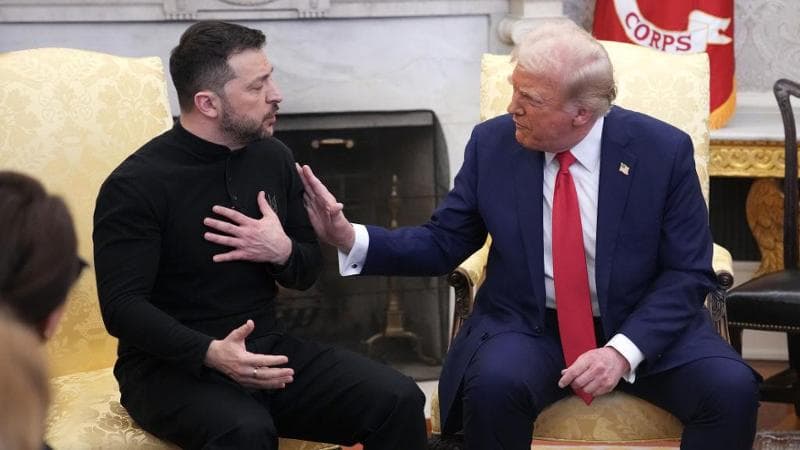
Since relations between Trump and Zelensky cooled following the announcement of the diesel deal, the US president has repeatedly lashed out at the Ukrainian leader.
Trump has called for Zelensky to resign, a demand he appeared to repeat indirectly on Monday.
“Maybe it's time for someone else to negotiate for Ukraine,” he told reporters.
On Sunday, Trump wrote on Truth Social that Zelensky did not want to end the war — even though the decision on when Russia's war ends is not in the Ukrainian president's hands.
Trump has gone so far as to downplay Russian attacks on Ukrainian cities and civilian infrastructure.
“Russia has been, frankly, fine when it comes to Ukraine. They haven't done much,” he said on Monday.
(Copyright Welt - Lena/Leading European Newspaper Alliance)
This article was reviewed by an external translation partner