
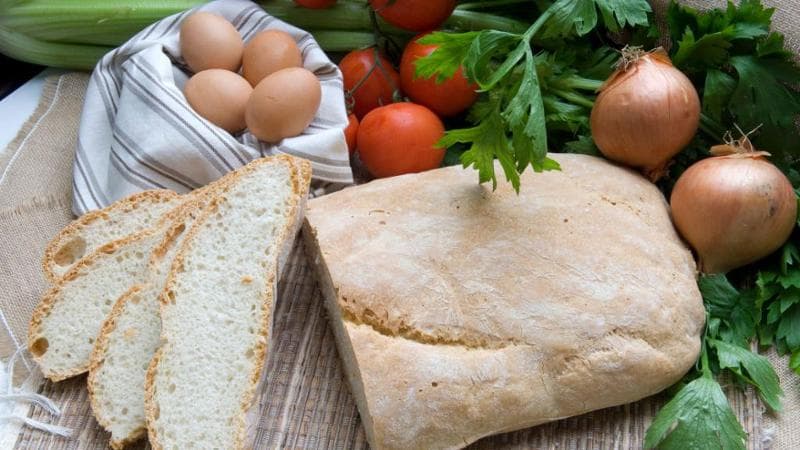
An old tale, still told by some grandparents, tells of a traveller who arrived in a village square at lunchtime. He lit a fire, set a cauldron of water over it and dropped in two smooth, clean stones. To the curious villagers, he explained that he was making “stone soup”. It was already good as it was, he said, but would be even better with a couple of onions. Someone offered him some. Then came a piece of pork rind, chicory, carrots, herbs, cheese and bread. In the end, everyone had contributed something to the mysterious soup and, sitting around the fire, they discovered that the acquacotta — literally “cooked water” — was very good indeed.
The legend captures two defining features of acquacotta, a traditional dish from Tuscany’s Maremma and northern Lazio. It is a make-do recipe, prepared with whatever ingredients are available and in season, and it is rooted in sharing. Shepherds and woodcutters would pool their meagre provisions, turning them into a nourishing meal in a pot of boiling water. In his book Cucina Maremmana, food writer Aldo Santini devotes an entire chapter to it, entitled The story of acquacotta: one for every village, noting that no other Maremma dish comes in so many different versions.
Santini counts more than 30, from Allumiere to Capalbio, from Massa Marittima to Sovana. So there is no original recipe, and it is not even certain where the dish was first created: the Casentino, Val di Chiana and the Pistoia area also lay claim to it. But it was in the Maremma that acquacotta became most widespread, as the traditional meal of the butteri, Italy’s own cowboys, who tended herds of oxen and horses.
Away from home for long periods, the herdsmen carried olive oil, salt, onions, stale bread, dried meat, guanciale or lard and, sometimes, salt cod. The rest they gathered along the way: chicory, wild mint, calamint and other wild herbs. Humble ingredients that, left to simmer slowly, became a simple, flavourful dish.
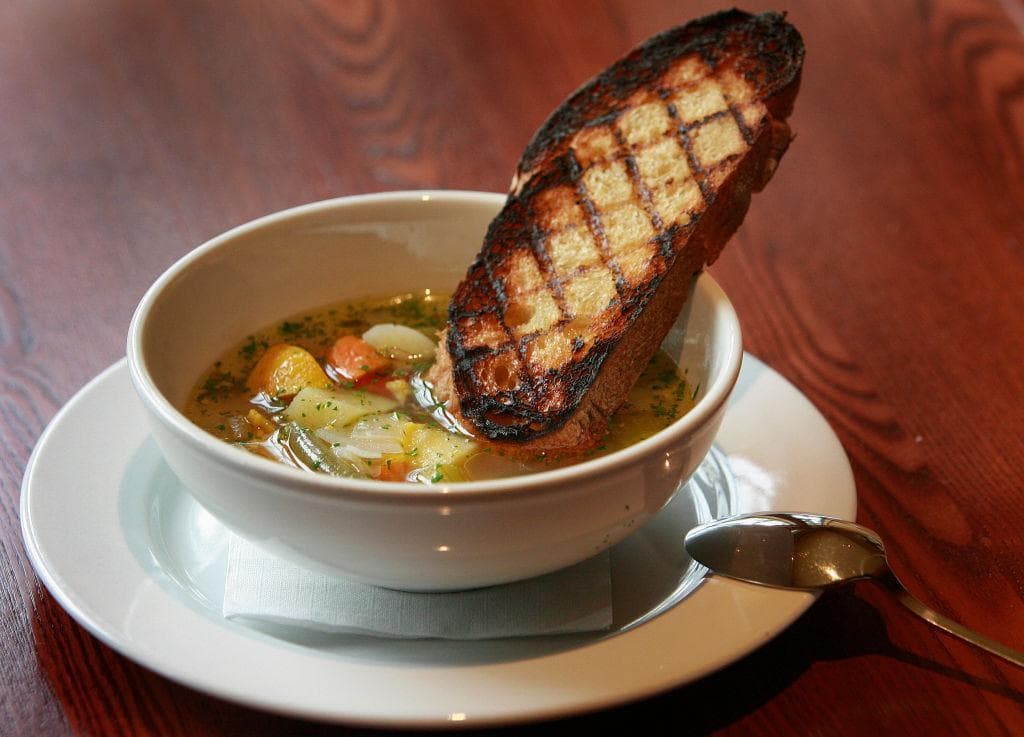
THE RECIPE
Serves 4
Heat ½ a glass of Tuscan extra-virgin olive oil in a large saucepan. Add 2 garlic cloves and cook until lightly golden, then add about 300g of sweet peppers cut into strips, 2 celery stalks cut into pieces and 1 sliced onion.
Sauté gently over a low heat for 5 minutes, then add 4 medium tomatoes, roughly chopped (and a little chilli if you like), and cook for 20 minutes.
Add 1 litre of salted boiling water. Once the soup returns to the boil, cook for another 10 minutes. Meanwhile, toast 2–3 slices of rustic Tuscan bread per person in the oven.
Arrange the toasted bread in a large soup tureen, crack 4 eggs over it, sprinkle with 2–3 tablespoons of grated pecorino and black pepper to taste, then pour the hot soup over everything and serve.
Variations: A version in which mushrooms replace the celery and peppers has recently become popular. Use 400g of porcini or other wild mushrooms. If making the mushroom version, leave out the onion as well and add an extra clove of garlic instead.
The translation of this article was reviewed by a Language Service Provider