
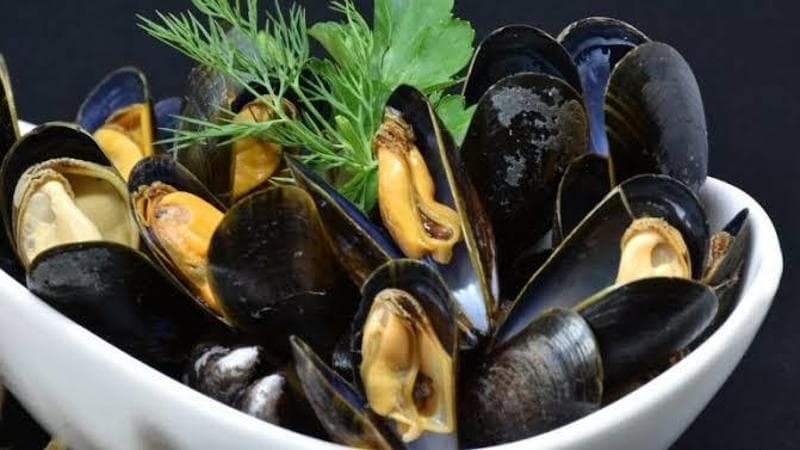
In Trieste, they call them pedoci. They are mussels, and they have been farmed in the Gulf of Trieste since Roman times, although the first official record dates back to 1732. Documents from the Commercial Authority of the Austrian Littoral show that pedoci were originally a by-product of the more lucrative oyster farms. Fishermen simply took advantage of the mussels that naturally attached themselves to poles and branches driven into the seabed in the bays of Servola and Zaule.
The story
The mussels nevertheless became popular with ordinary people in this city whose food culture has long been shaped by Central European, Balkan and Mediterranean influences.
By the late 19th century, the Austrian Society for Marine Fishing and Fish Farming was encouraging the development of new oyster-farming techniques, including the creation of French-style oyster beds catering to wealthier consumers and the international market. Indirectly, however, this also boosted mussel production in the Gulf. Their sheer abundance eventually made them an important part of the local economy in their own right.

Today, mussel farms are found along the coast around Muggia, Trieste and Duino-Aurisina, and Trieste mussels are included on Friuli Venezia Giulia’s official list of PATs, Italy’s traditional agri-food products.
The recipe
Pedoci are typically prepared in simple, home-style dishes. This version is commonly known as pedoci a scotadeo — mussels eaten piping hot, literally hot enough to burn your fingers. Strictly speaking, however, true pedoci a scotadeo should not even include bread among the ingredients. Whether to add it is up to you.
The mussels are cooked simply with garlic, parsley and breadcrumbs and eaten on their own with a slice of bread. But “add a little tomato,” some chef suggest, and they become a delicious sauce for spaghetti.
Ingredients for four
2kg Trieste mussels
1 bunch of parsley
2 handfuls of breadcrumbs — even better if made by chopping day-old bread with a knife
2 garlic cloves
Lemon wedges, optional
Method
First, clean the pedoci: remove the beards and rinse the mussels quickly under cold running water.
Place them in a large saucepan over medium-low heat, cover and cook until all the shells have opened.
Once open, remove the mussels from the pan and strain the cooking liquid through muslin, reserving it for later.
Heat a drizzle of extra virgin olive oil in a large frying pan over low heat and add the garlic cloves. Add the mussels, keeping them all in their shells — or, if you prefer, leaving half in their shells and removing the other half. Pour in the reserved cooking liquid, then add the breadcrumbs and chopped parsley.
Toss everything together a couple of times until well combined. Serve piping hot, with a squeeze of lemon if you like.
The translation of this article was reviewed by a Language Service Provider