
TRIESTE — “Sempre libera degg’io / folleggiare di gioia in gioia / Vo’ che scorra il viver mio / Pe’ sentieri del piacer…” Violetta, the heroine of La Traviata, had sung these words more than a century earlier. And one of Giuseppe Verdi’s most famous operas offers a useful key to understanding a city as distinctive as Trieste, evoking the atmosphere of European society in the second half of the 19th century, when the bourgeoisie was rapidly on the rise, investing in commerce, banks and urban development.
Trieste, too, was enjoying a golden age and, thanks to its status as a free port, prospering from the coffee trade.
Italian yet unmistakably Central European, multicultural, elegant and free-spirited, Trieste is also a fascinating city to explore through its food.
Fish dishes
Trieste’s cuisine also has a more down-to-earth side, preserved in the trattorias of the Karst plateau and in the fish restaurants along the coast. But the presence of major shipping companies in the second half of the 19th century, together with the rise of a cosmopolitan bourgeoisie, gradually brought a taste for more formal dining.
Shipowners and bankers became the city’s new aristocracy. One of them was Baron Pasquale Revoltella, who left Trieste his magnificent residence, now the Museo Revoltella, a testament to the tastes of the period.
The historic kitchens at Miramare Castle are equally fascinating, offering an important glimpse into the culinary culture of the time, with evocative interiors and lithographed menus from formal 19th-century dinners.
Trieste’s traditional buffets
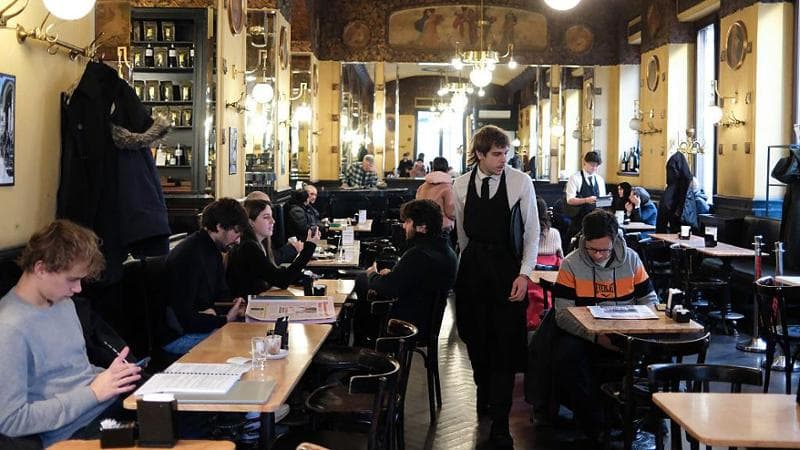
For food lovers, Trieste’s true paradise is its buffets. They reveal another side of the city: one that has resisted modernity, less elegant than the historic cafés but more convivial.
People come here for a snack — a rebechin, as the city’s dockworkers once did. Historically places for a quick bite and conversation, the buffets now also serve hot dishes, effectively functioning as modern-day trattorias. Buffet Vita, Trattoria da Giovanni and Buffet Birreria da Rudy still preserve the authenticity of Trieste’s culinary tradition.
The pastries
Perhaps more than anything else, desserts define Trieste’s food culture. At home, people make strucoli, pinze and presnitz, while the inns of the Karst are famous for zavate, enormous portions of custard-filled mille-feuille, and palacinke, a type of crêpe filled with jam.
But in the late 18th century, with the opening of Trieste’s first coffee houses, the refinement of Viennese patisserie arrived in the city too, bringing with it Sacher, Dobos, Pišinger and Esterházy cakes, Krapfen and Rigójancsi.
Trieste’s historic cafés
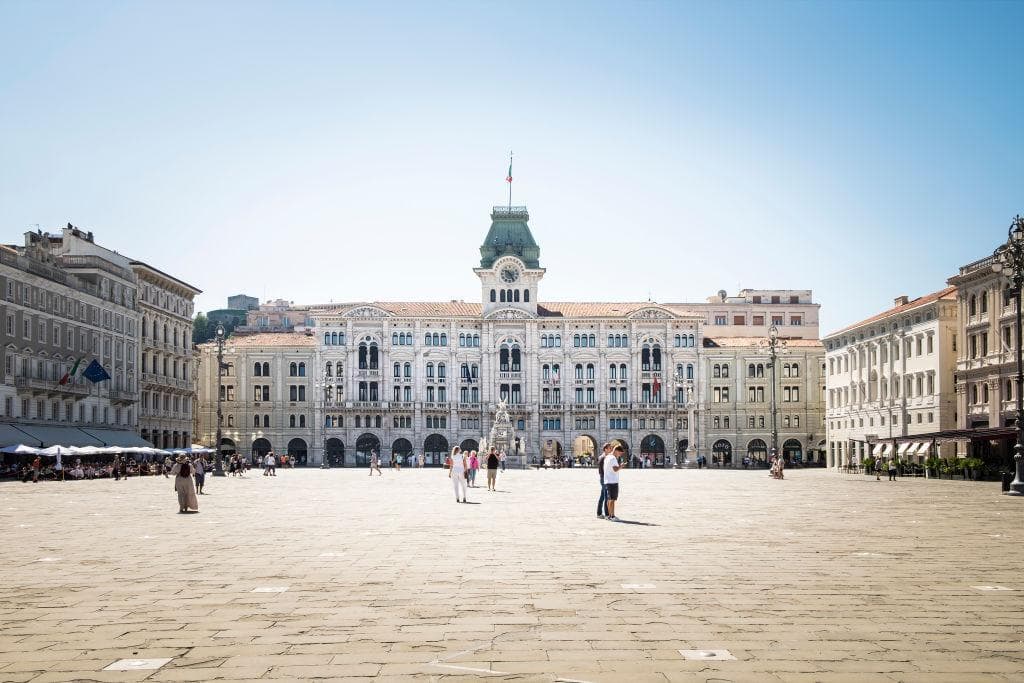
In Trieste’s most beautiful square, Piazza Unità d’Italia, Italian, German, Slovenian and Croatian mingle in the conversations around the café tables. This is where the city’s soul reveals itself, poised between Central European romanticism and an irreverent, pleasure-loving Mediterranean spirit. It is therefore the perfect place to begin a culinary tour of Trieste.
Caffè degli Specchi — Piazza Unità d’Italia, 7
Founded in 1839, it remains the city’s grand drawing room. On a sunny day, come here for a capo in bi — a macchiato served in a small glass — while looking out towards the Adriatic.
The café was frequented by Italian irredentists in the late 19th century and later became the Royal Navy’s headquarters in the city after the Second World War. One curious detail: a €1 coffee is available only at the counter, accompanied by a small glass of piping-hot chocolate.
Harry’s Piccolo & Bistrot — Piazza Unità d’Italia, 2
An impeccable choice for either an aperitif or a gourmet lunch.
Caffè Ristorante Tommaseo — Piazza Nicolò Tommaseo, 4
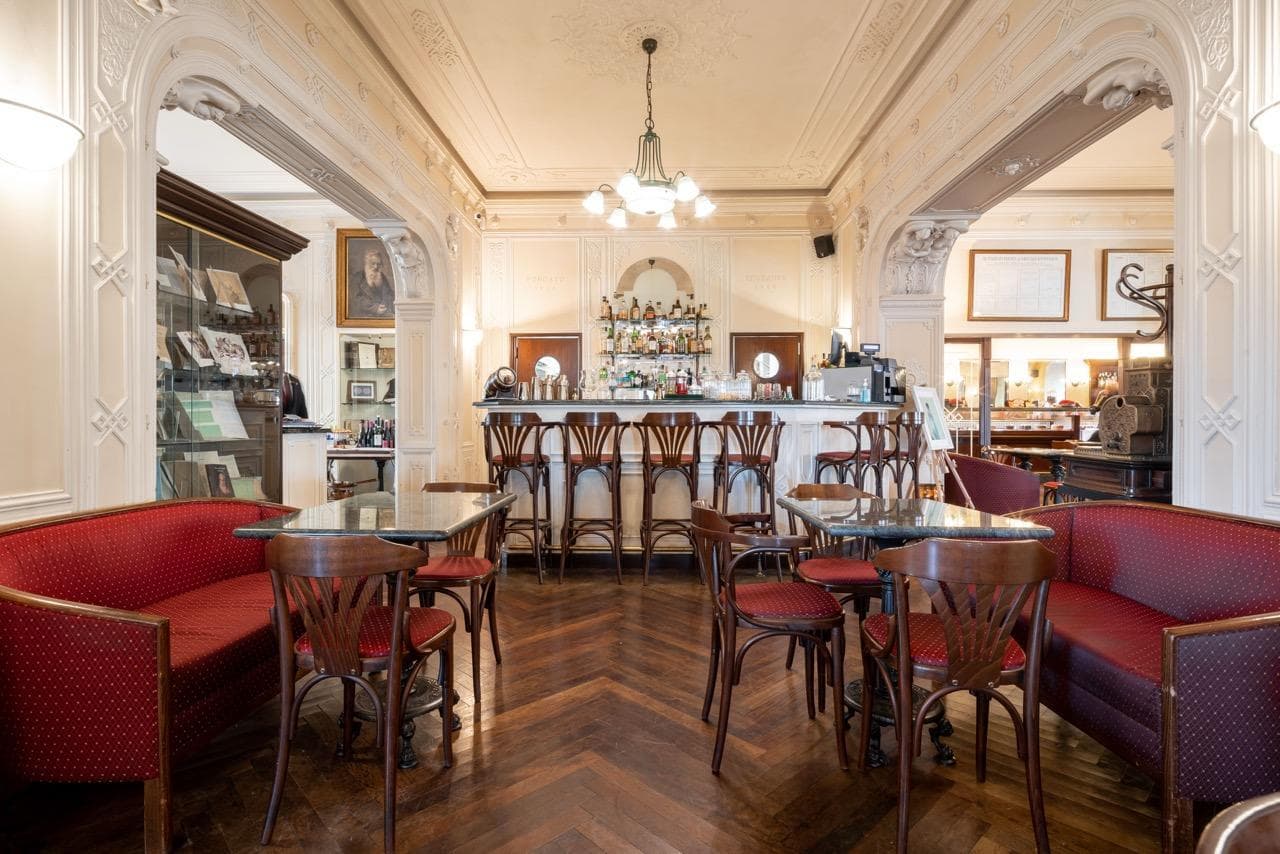
The oldest café still operating in Trieste, on the waterfront in the newer part of the city. Opened in 1830, it retains all the period charm of its original décor, including Thonet furniture.
Run in the tradition of a Viennese coffee house, it has always been a favourite haunt of artists and writers. Today it remains a meeting place for musicians from the nearby Teatro Verdi, while its late opening hours make it an excellent choice for an after-theatre drink.
Caffè San Marco — Via Cesare Battisti, 18
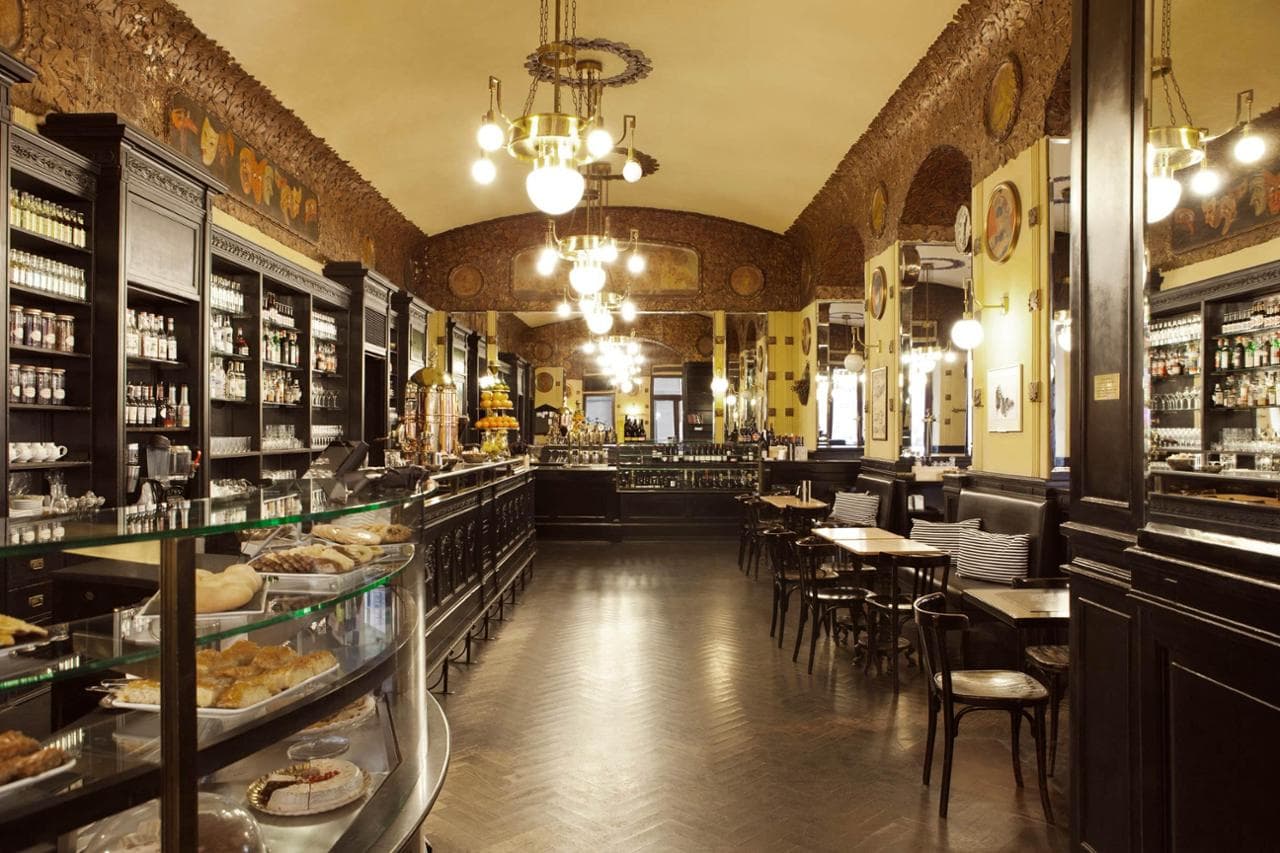
The place to experience a true literary café, founded in 1914 in pure Viennese Secession style and still retaining its original décor.
Claudio Magris described it this way: “San Marco is a Noah’s Ark, with room for everyone, without precedence or exclusion, for every couple seeking shelter when the rain is pouring outside, and for those on their own too” (Microcosmi, 1997).
Famous for its illustrious clientele — from Italo Svevo and Umberto Saba to James Joyce and Magris himself — San Marco is now a cultural hub, hosting events and offering a place to browse books, while celebrating food and wine through dishes that combine local traditions with Balkan influences.
Berlam Coffee Tea & Cocktail — Piazza della Repubblica, 1
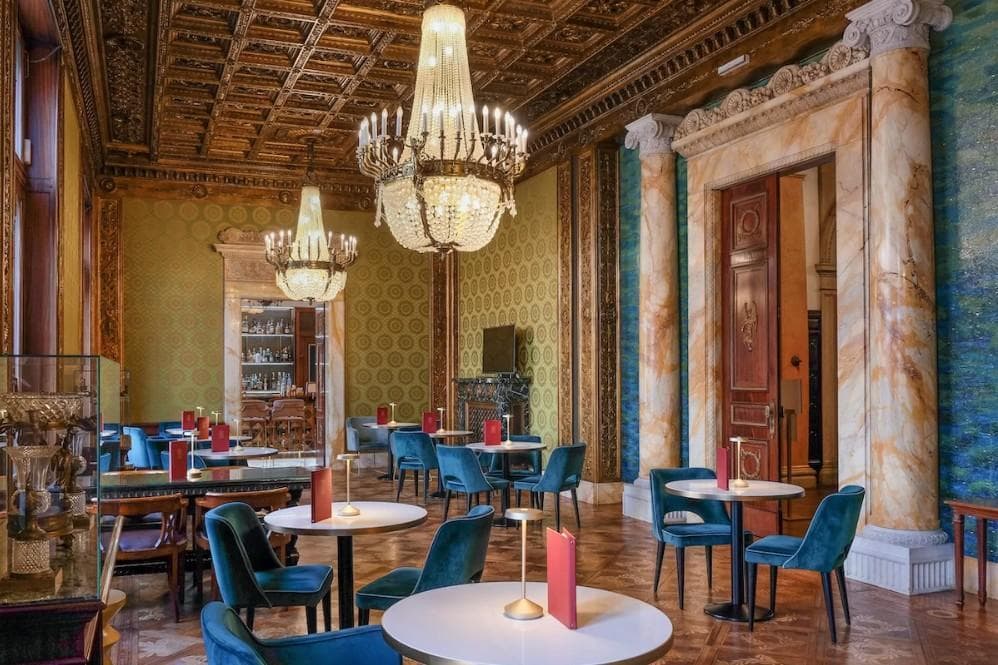
Inside the elegant DoubleTree by Hilton, housed in the historic former headquarters of the RAS insurance company, designed in 1910.
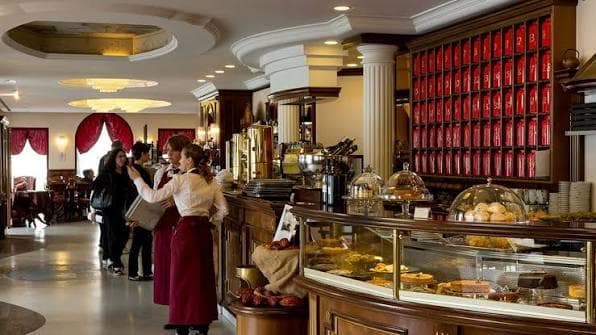
It is a welcoming place for coffee or an evening cocktail, in a building that embodies the restoration of Trieste’s architectural heritage. It is also the best places in town for an English afternoon tea, served with fine blends and a generous selection of sweet and savoury petits fours.
La Bomboniera — Via Trenta Ottobre, 3
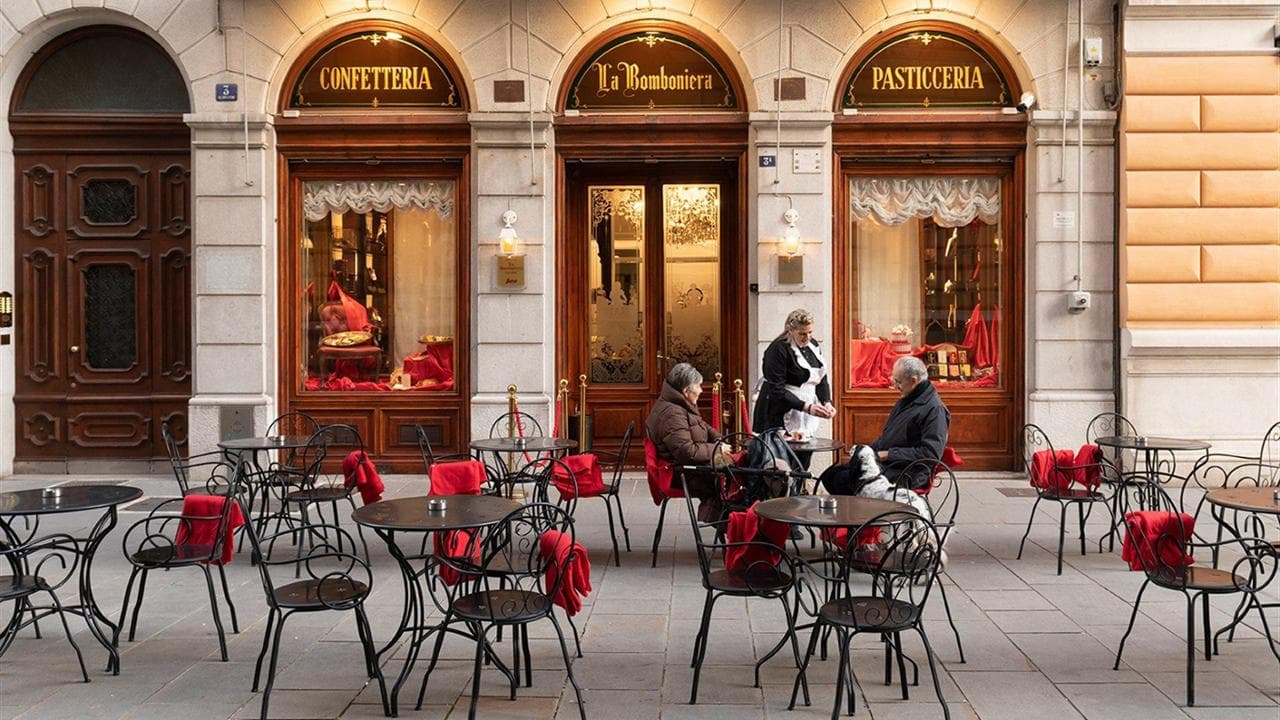
A historic pastry shop that retains the charm of Viennese Art Nouveau, serving both traditional Trieste pastries and cakes from the Austro-Hungarian tradition.
Its pastry-making heritage is complemented by an old wood-fired oven dating back to the early 19th century, still used to bake delicacies such as lettere d’amore — “love letters”, sugared puff pastries filled with rum cream — at weekends.
Pasticceria Pirona — Largo della Barriera Vecchia, 12
Pirona has preserved an old-world 20th-century, thanks in part to the careful restoration of its original furnishings. It serves an excellent Sachertorte, alongside jams, biscuits and pralines.
It was one of James Joyce’s regular haunts when, between 1910 and 1912, he lived in the building directly opposite.
Caffè Sacher — Via Dante Alighieri, 1
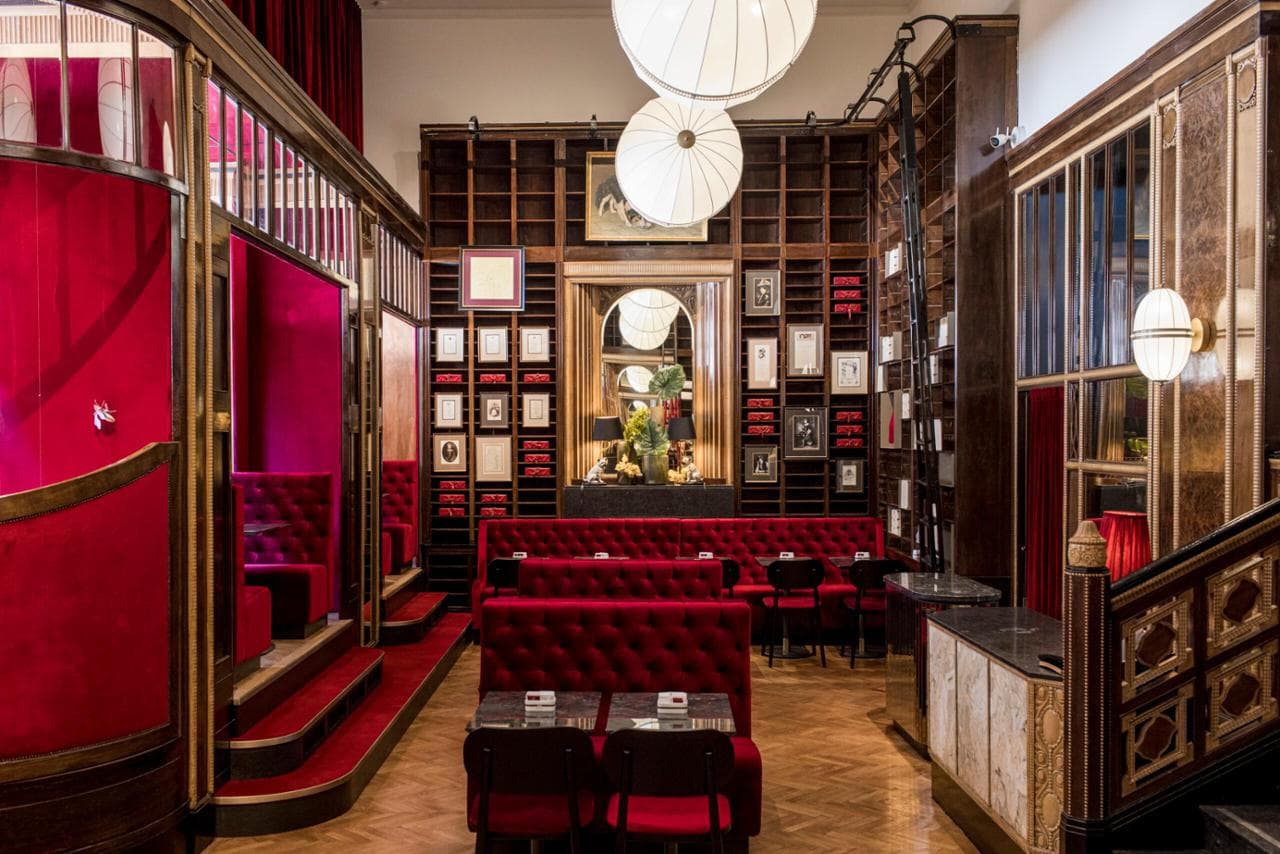
Opened in 2023, this was the Austrian company’s first café in Italy. It is worth a stop for the quality of both its products and service, as well as for its exceptionally refined surroundings.
Menarosti — Via del Toro, 12
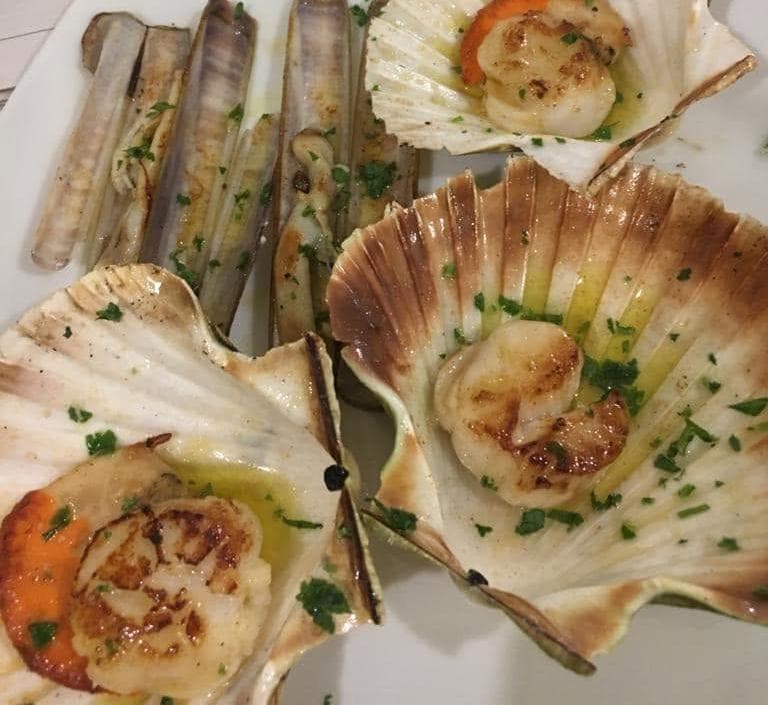
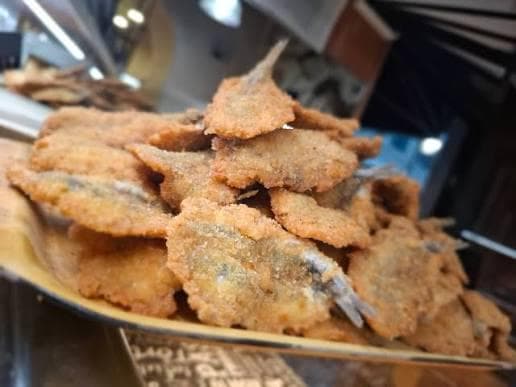
A Trieste institution since 1903, impeccably run by the Benussi family for more than 30 years. The cooking is traditional, ranging from flavourful savòr to seafood risotto and “Papa Fabio’s” fish soup. The fried baby squid and sardoni barcolani, the local sardines, are not to be missed.
Buffet L’Approdo — Via Giosuè Carducci, 34
Particularly interesting for the dishes that emerge from its caldaia, the traditional boiler used to cook a selection of pork cuts served with horseradish and sauerkraut.
Other dishes, served on different days of the week, include pork knuckle, tripe and Venetian-style liver.
Buffet Clai — Via Ugo Foscolo, 4
The house speciality here is baccalà mantecato, salt cod whipped until creamy.
Vecio Buffet Marascutti — Via Cesare Battisti, 2/b
More of a trattoria than a buffet, in truth, and known for cooking that balances Austrian and Slovenian influences.
One dish well worth trying is an excellent ljubljanska, a distant Slovenian cousin of the Milanese cutlet.
The translation of this article was reviewed by a Language Service Provider