
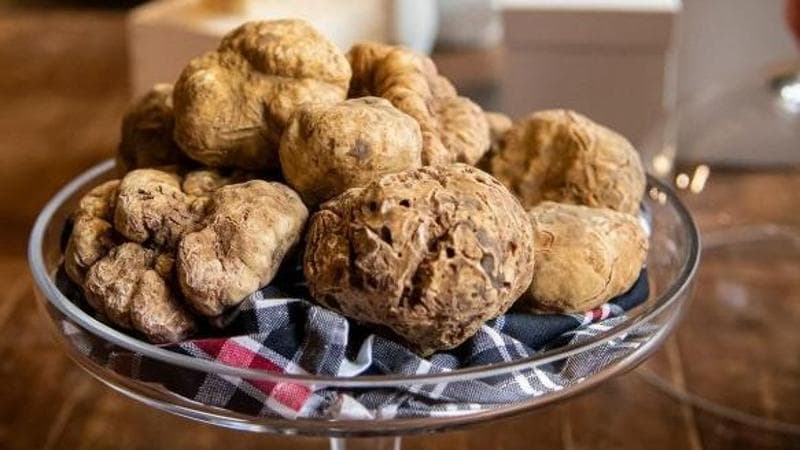
With the arrival of autumn, Alba once again becomes a world capital of food and wine.
Until 6 December, the Piedmont town is hosting the 96th edition of the Alba International White Truffle Fair, with more than 600,000 visitors expected.
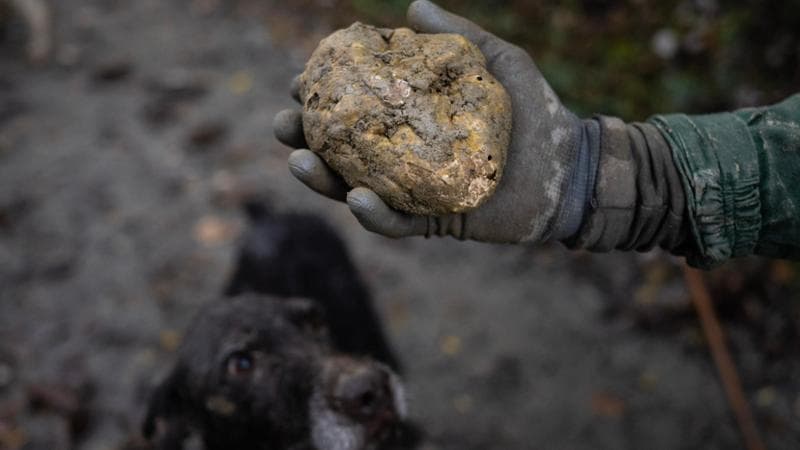
Over nearly a century, the event has built a network around the fragrant Tuber magnatum Pico, bringing together producers, truffle hunters, institutions, businesses, restaurateurs, visitors and local communities.
The fair was the brainchild of Giacomo Morra and has increasingly become an international showcase not only for the prized underground fungus but also for the entire Langhe, Roero and Monferrato region, a Unesco World Heritage Site since 2014.
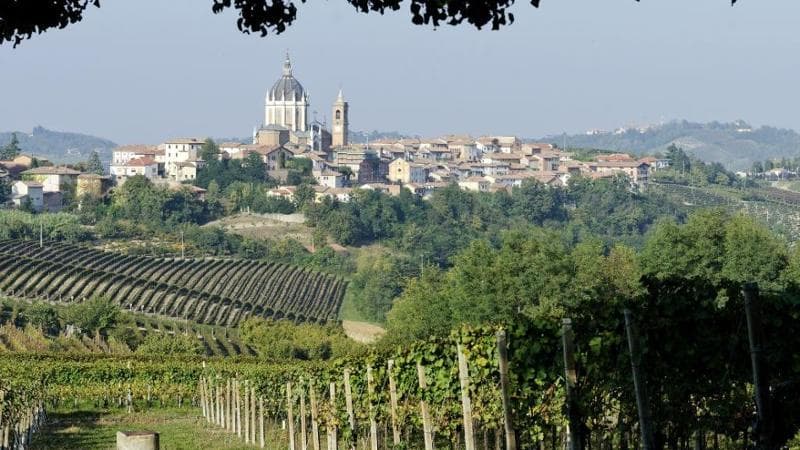
“For nine weeks, the World Truffle Market is open every weekend, attracting just under 100,000 paying visitors a year,” explains Axel Iberti, president of the Alba Fair Organisation. “But there are plenty of other events during the week: wine tastings, cooking classes, Michelin-starred dinners, conferences on the environment, employment and hospitality, art exhibitions and literary awards.”
Where the fair takes place
Alba is the heart of the event, but the fair extends well beyond the town itself.
“The main venues are the Maddalena courtyard, which hosts the Truffle Market; Mudet, where truffle sensory analysis takes place; the Beppe Fenoglio Hall, which hosts cooking demonstrations featuring chefs from Italy and abroad with around 40 Michelin stars between them; the Teatro Sociale, where unusual dinners prepared by Michelin-starred chefs will be served right on stage; and Roddi Castle, where we organise cooking classes and traditional lunches,” Iberti explains.
Each venue has a different purpose, but all share the same ambition: to celebrate the truffle and the land that produces it.
Building genuine connections
This year’s theme is “Authentic Relationships”, highlighting the importance of the bonds between people, communities and places.
The truffle itself is the starting point: a rare and delicate product whose presence depends on the balance between people, forests, soil, water and biodiversity.
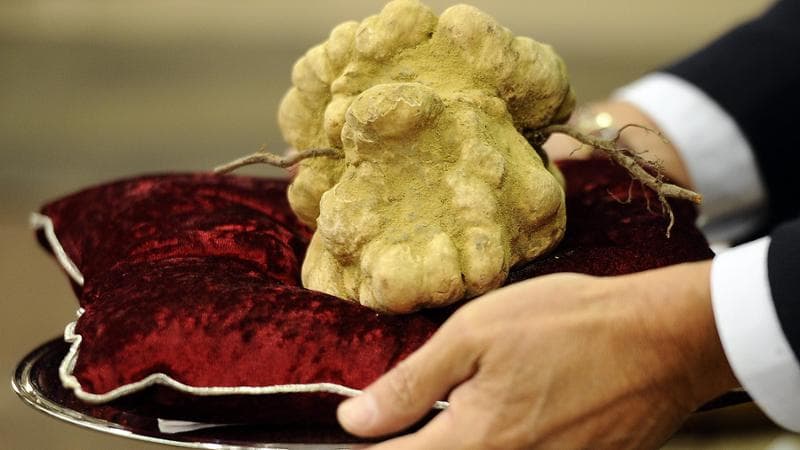
The fair’s international standing is reflected in its Truffle of the Year award, presented to figures of global prominence — past recipients include Winston Churchill, Charles de Gaulle and Queen Elizabeth II — as well as the World Truffle Auction and the activities of the Order of the Knights of the Truffle and Wines of Alba.
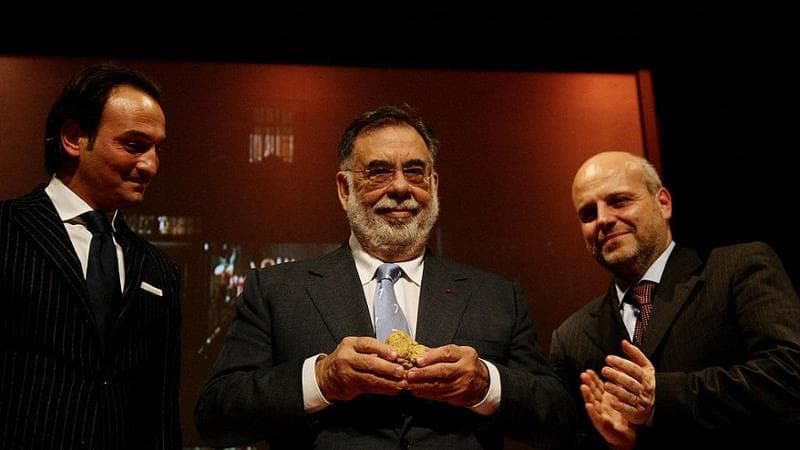
Alongside this international dimension is a strong commitment to the local area. Projects are under way to protect and restore natural truffle-growing grounds, while the Tuber Next Gen initiative promotes research and public awareness. The fair also provides an opportunity for dialogue between local authorities, researchers and those responsible for safeguarding the region’s truffle heritage.
The fair in numbers
The fair’s importance is measured not only by visitor numbers but also by its impact on the local economy.
According to a study by Guido Guerzoni of Bocconi University, released to coincide with the fair’s 94th edition, the event generates more than €18 million in direct spending and has an economic impact of over €42 million across the province of Cuneo, around €2 million of which is attributable to the organisation of the event itself.
The truffle industry also supports approximately 11,000 jobs. According to figures supplied by the organisers, every euro invested in the sector generates around €55 in total turnover.
Tourism in Alba and across southern Piedmont also benefits, as Mariano Rabino, president of the Langhe Monferrato Roero Tourism Board, explains.
“The fair is much more than a food event: it is an extraordinary gateway to our region. The figures confirm its growing appeal. In 2025, we welcomed more than 761,000 tourist arrivals, while overnight stays increased by 11.9%.
“Tourism has been moving towards a more balanced spread of visitors throughout the year, with autumn remaining particularly attractive thanks to the truffle, Alba and its fair.
“The event makes an important contribution to this success, bringing Italian visitors and, above all, international tourists from more than 70 countries to the town. Many turn their truffle experience into a longer stay, taking the opportunity to discover our landscapes.”
This article was reviewed by an external translation partner