
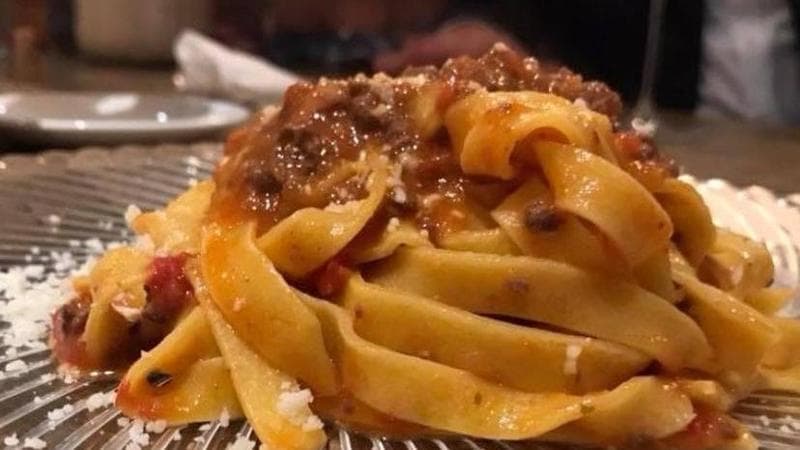
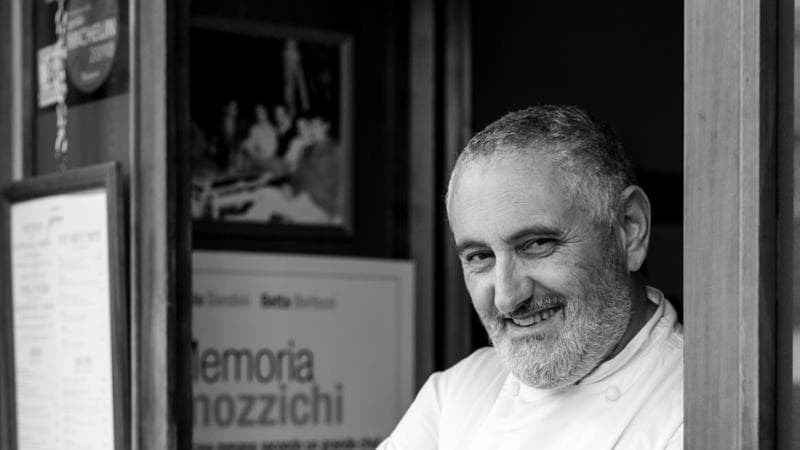
“I have a deep affection for this dish, and I've always found the way the great journalist Livio Jannattoni described it fascinating: an iceberg drifting slowly through the mists of memory. It immediately brings back memories of Sunday lunches around the table with our parents and grandparents. Those were different times, I know,” says chef Arcangelo Dandini, recalling garofolato, a traditional Roman beef dish once prepared at home for Sunday lunch.
Today, Dandini serves it at his restaurant, L’Arcangelo, and has shared his step-by-step recipe for making it at home. Among traditional Roman dishes, garofolato is one of the few with aristocratic origins. It takes its name from the cloves used to flavour the meat — spices that were once rare, expensive and affordable only to the wealthy.
“Like other Roman meat dishes, such as oxtail or stuffed beef rolls, garofolato gives you two meals in one: you serve the meat in slices, then use the sauce to dress fettuccine or as a filling for supplì.”
A good garofolato starts with a good butcher
“The hardest part is finding a good butcher who can get you a really good cut of beef eye of round,” Dandini explains. It's also important to tie the meat securely with kitchen string, as it will be cooked in two stages: first searing, then slow braising.
Ingredients
To make garofolato for six people, you will need:
1 piece of beef eye of round, or another cut from the hindquarter
100 g guanciale (cured pork cheek)
Extra virgin olive oil
1 glass of red wine
1 onion
1 carrot
1 celery stalk
2 garlic cloves
250 g tomato passata
1 tbsp cloves
5 sage leaves
Salt and black pepper
Preparing the meat: the traditional technique of pilottare
“My grandmother used to say the meat had to be pilottata,” Dandini recalls. “You would make a small incision with a knife, then gently insert your finger so as not to tear the meat. Into the opening you would tuck sage, salt and pepper, chopped garlic and guanciale, or sometimes rosemary.
“As with so many Italian recipes, there isn't really a strict set of rules. You have to work some things out for yourself.”
Method
Heat a little extra virgin olive oil in a large casserole dish and prepare a soffritto with the finely chopped celery, carrot and onion.
Once the vegetables are nicely browned, add the beef and brown it for around 10 minutes, turning it until golden on all sides.
Pour in the red wine and allow the alcohol to evaporate. Then add the tomato passata and enough water to cover the meat, together with the cloves. Season with salt and pepper.
Leave to simmer very gently for around two and a half hours.
When the meat is cooked, allow it to cool slightly before slicing and serving with its sauce. Alternatively, reduce the sauce to make a rich ragù for pasta.
The elegance of cloves
“Cloves absolutely belong in Roman cooking,” says Dandini. “We use them in tripe and offal dishes. They bring elegance to a recipe.
“I follow Ada Boni's recipe. You get a delicate, elegant hint of spice that enriches the dish without overwhelming its other flavours.
“After all, Italians have always used spices sparingly, with good taste and a sense of balance. Otherwise, you risk overpowering the ingredients. And, of course, spices used to be incredibly expensive.”
The key steps to get right
The recipe isn't complicated, Dandini insists, but there are a couple of important details to remember.
“If you want to keep the meat in one piece, you need to tie it securely before braising it in very little liquid. “Remember, there are two stages of cooking. First, you brown the meat until it caramelises. Then you deglaze the pan with wine, add the tomato and leave it to simmer gently.
“Ultimately, it's a stew. Once the meat is cooked, you remove the string and serve it in slices, which will be wonderfully tender. “And with the sauce left in the pan, you can make a beautiful pasta dish or even a risotto. At our restaurant, we use it to dress tagliatelle.”
This article was reviewed by an external translation partner