
The surprise unfolds the moment you step beyond the cloister. Rather than entering a hotel, you feel as though you've wandered into a small private village. Everything invites you to slow down.
“We wanted our guests to immediately lose all track of time,” we are told at reception.
A high-stakes gamble
This is Airelles Palladio in Venice, the latest chapter of the French luxury hotel collection which, having made its name in Versailles, Courchevel and Saint-Tropez, has chosen a former convent on the island of Giudecca for its Italian debut — and its very first address outside France.
More than just a hotel opening, it was a high-stakes gamble: transforming one of the lagoon's historic landmarks into a property capable of competing with the very best from day one.
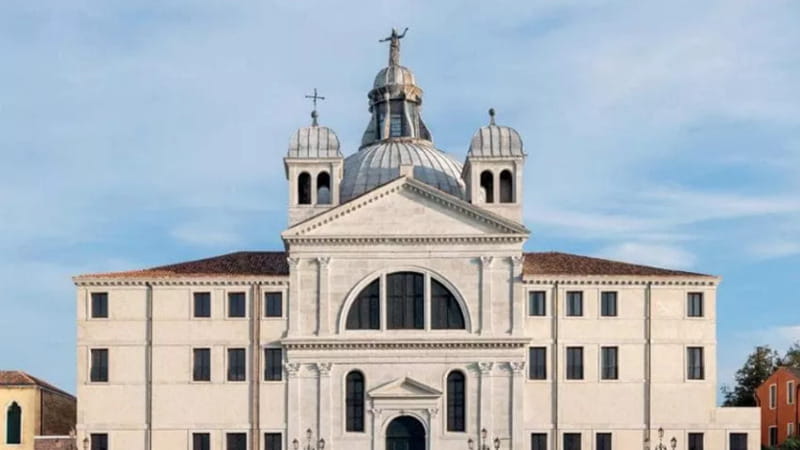
The starting point, after all, was extraordinary. Conceived in the 16th century by Andrea Palladio as a Benedictine monastery, the complex still overlooks the waters of St Mark's Basin with the understated grandeur that made the Venetian architect immortal.
“We didn't simply want to restore a historic building; we wanted to restore its soul as a lived-in Venetian home.”
A parallel side of the city
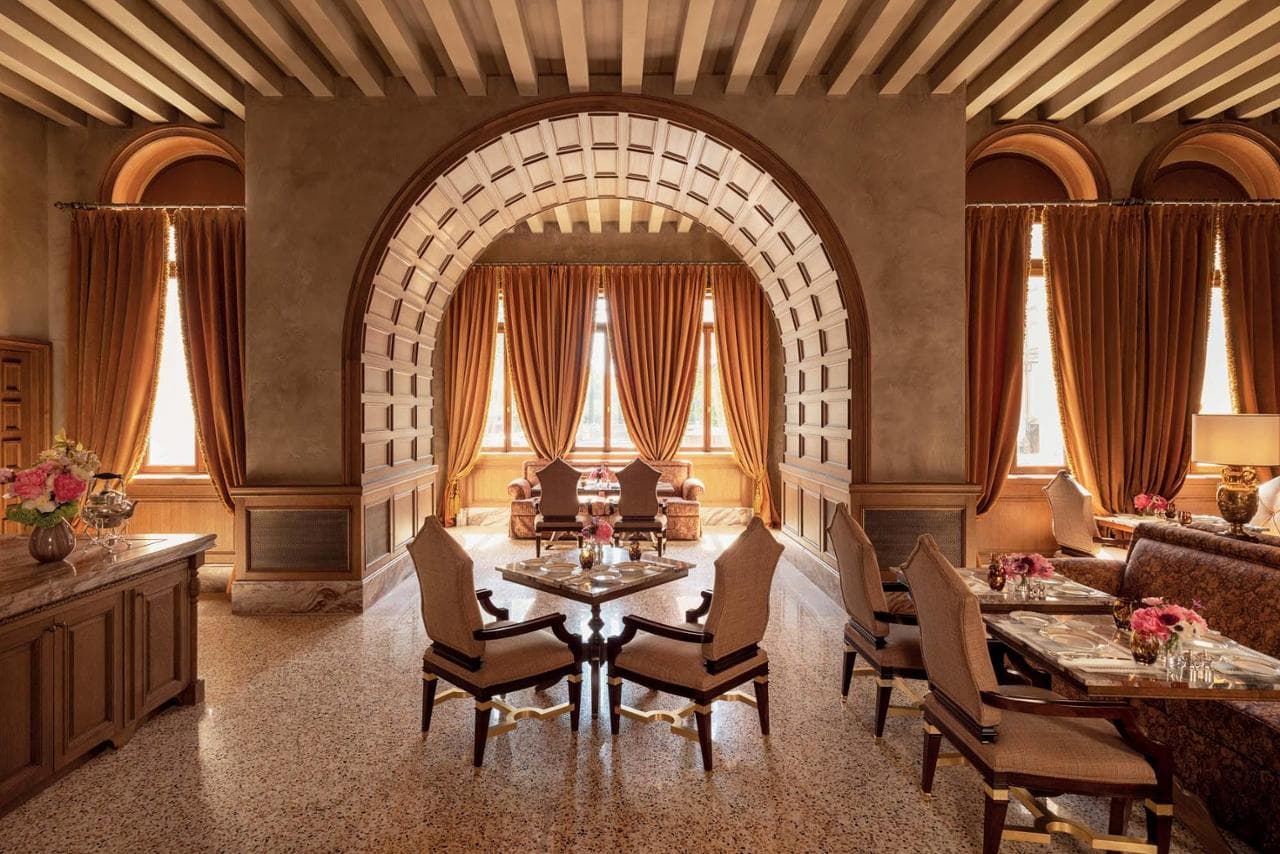
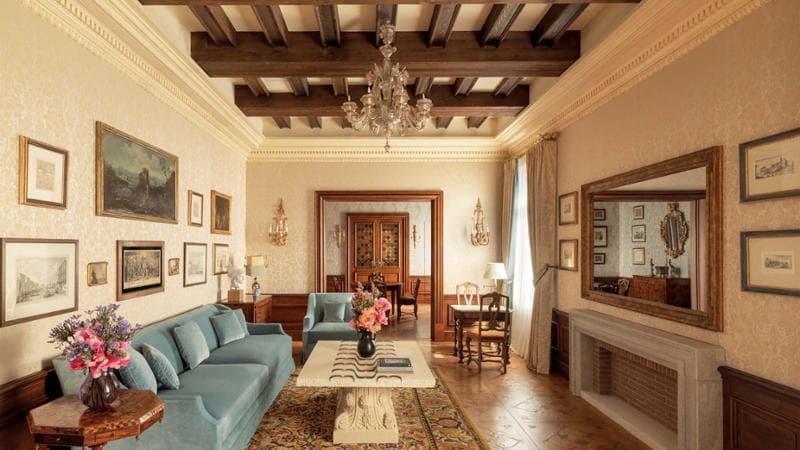
To achieve that, attention has been lavished on every detail: the restoration of frescoes, traditional Venetian terrazzo floors, bespoke textiles from local artisans, Murano glass chandeliers, and furnishings that feel as though they have always belonged in these rooms.
Yet the luxury scrupulously avoids any hint of ostentation. It is expressed through thoughtful touches and hospitality, striking an effortless balance between Italian elegance and French savoir-faire.
Perhaps that is the project’s rarest achievement: rather than recreating a perfect postcard of Venice, it conjures a parallel, almost domestic side of the city.
The ultimate paradox
Then there's Cédric Grolet. His famous hyperrealistic fruit creations — or fruits sculptés — painstakingly crafted to reproduce every last glint on the skin, have arrived here too. It seems that mango and hazelnut are among the most popular flavors.
But surely, you might ask, nobody goes to Venice to eat a French dessert?
Of course not.
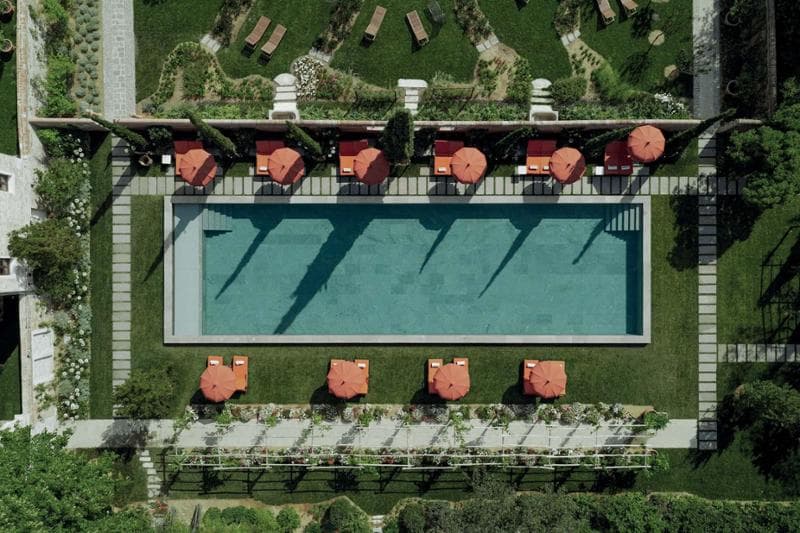
St Mark's Square is just minutes away. Yet after a few hours spent wandering the gardens, enjoying the spa and restaurant, and discovering the island's quietest corners, an unexpected feeling takes hold: there is simply no rush to go anywhere.
If anything, you might find yourself putting off that trip into the city until tomorrow. And then the day after that.
In Venice, this is the ultimate paradox: booking one of the most luxurious hotels—perhaps a room with a view of the Basilica—and realize that the strongest temptation is to just stay there.
This article was reviewed by an external translation partner