
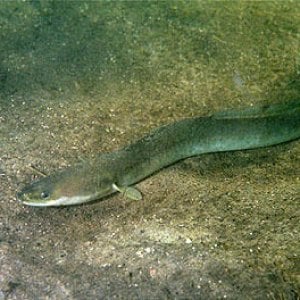
The beach at Puerto Morelos, near Cancún – the most famous tourist destination in the Mexican Caribbean – is quite overrun with seaweed in this Google Maps screenshot from 2014, but it seems the situation has worsened further. Sargassum – yes, the seaweed that gives its name to the legendary pirates’ sea, the one where all the world’s eels are born (but that’s another story) – is now an international emergency: fuelled by chemicals dumped into the sea and by global warming, it forms an enormous biomass – the Great Atlantic Sargassum Belt (a name that would not have displeased Salgari), some 9,000 kilometres long, floating between Africa, Brazil and the Caribbean Sea. Tangles of seaweed break away from this belt and eventually wash up on the shores of some thirty countries. According to the Mexican environment minister, this year the navy collected 27 times more sargassum than the pre-2010 average: 90,000 tonnes between January and July. This had devastating consequences for tourism, as holidaymakers were put off by beaches and bays infested with smelly seaweed.
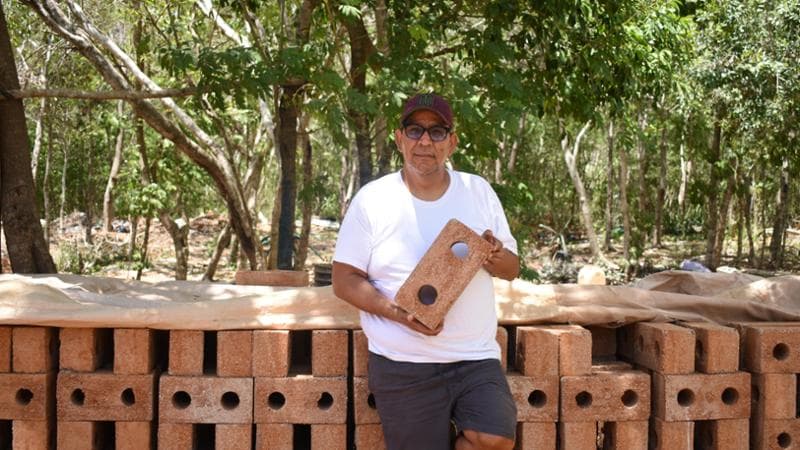
I have taken all this information from Orsetta Bellani’s article published today, 30 October, in *Venerdì*. It features a man who is responding to the Sargassum invasion in a way that may be limited but is highly creative and determined. His name is Omar Vázquez Sánchez, known as ‘El Señor Sargazo’, because, whilst walking along the beach at Puerto Morelos, he had an idea: to use the seaweed as a building material. He invented the SargaBlock, a brick made up of 40 per cent sargassum and the rest organic matter – no cement at all. For now, he has built a small house on his property using them, and has been invited all over the Caribbean to explain his approach to tackling this latest environmental crisis. It is not a huge amount, but it is something.
From the ‘Finally, it’s Friday’ newsletter dated 30 October 2026. Click here to subscribe – it’s free