Jeong is a word for which there is no equivalent in Italian. Yet Italian was actually the first language into which the book bearing its name was translated. Hyo Jung Lee’s book, published in March by Phaidon, is now available in bookshops via L’Ippocampo (Jeong – The Essence of Korean Design, 240 pp, €39.90, from 4 November 2026). ‘For now, only the English and Italian editions exist, but I hope there will be others,’ the author said. The book has been very well received: it is on sale, amongst other places, at the SFMOMA in San Francisco – where an exhibition on the art collection of RM, frontman of the Korean band BTS, is currently running – and at the British Museum, which is dedicating an exhibition to the ‘Land of the Morning Calm’ until 31 January 2027. “I’ve received messages from so many people all over the world, even from Australia,” she added. “I’m really excited, because I know that Italy is a country that greatly appreciates craftsmanship, and now readers will be able to engage with our culture more easily, in their own language. I’m sincerely grateful to L’Ippocampo for the attention and affection it has shown the book,” she added. We are republishing the interview that Hyo Jung Lee gave us for the March issue of our monthly magazine *Design*, to mark the book’s launch.
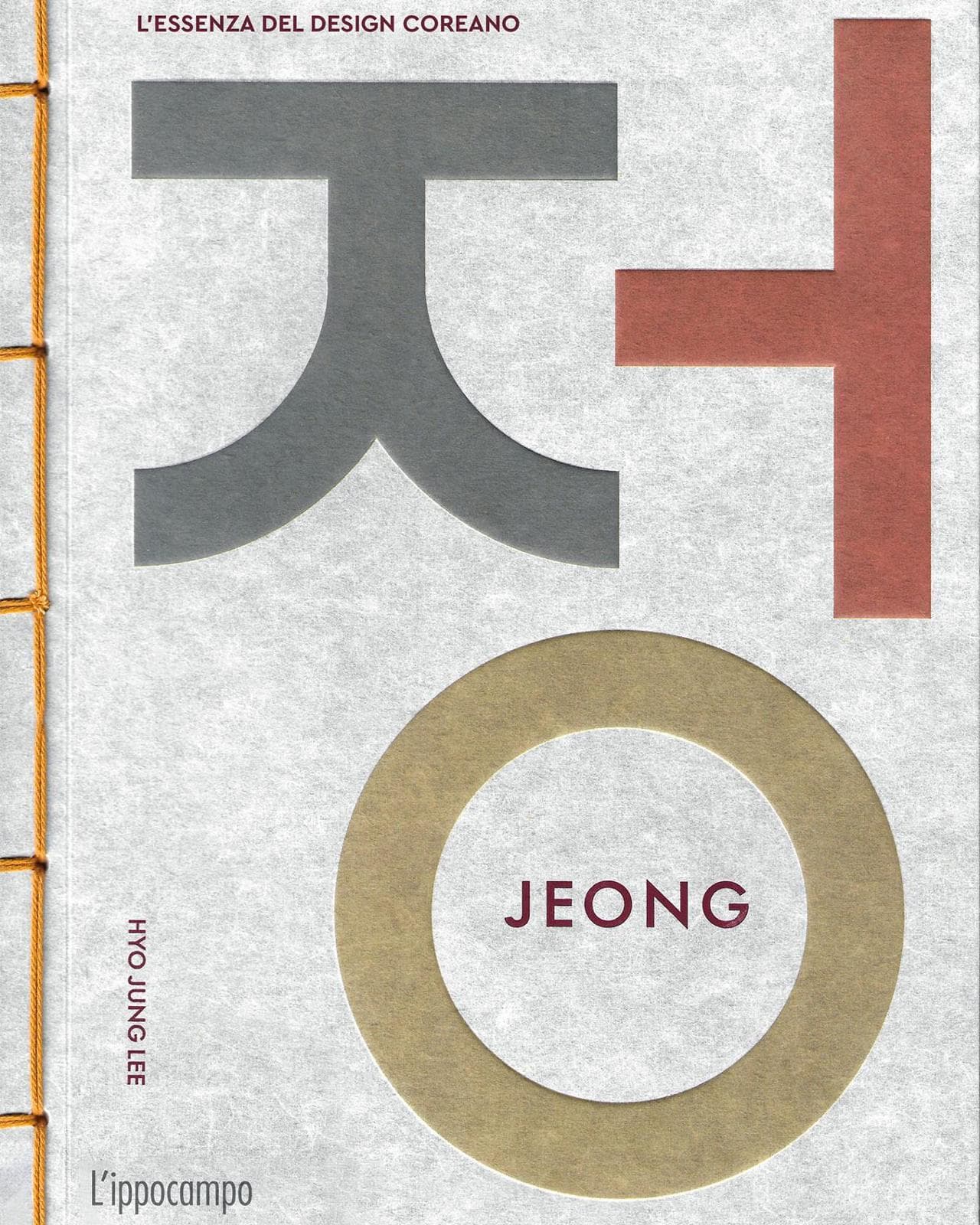
Every language contains untranslatable words: nuances of meaning so profound that it is impossible to convey them fully in another language. The Korean concept of jeongis one such example. The essence of the term is akin to an emotional bond that goes beyond love, and today graphic designer Hyo Jung Lee demonstrates that it can also become a critical lens through which to view design. She explained this in the book *Jeong*(Phaidon, 224 pages, €59.95 – in English), a valuable work as it is also the first to explore the design culture of the Korean people in depth, analysing 175 works spanning a period of no less than three thousand years.
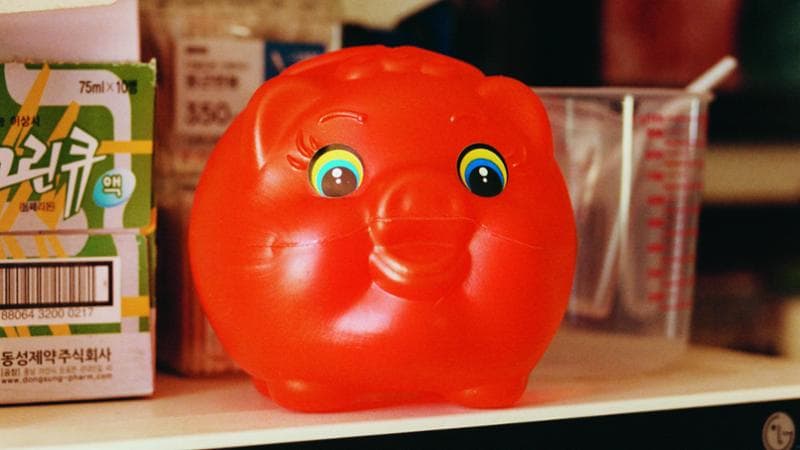
When did she realise that the concept of ‘jeong’ could also function as a design category? ‘Whilst I was selecting everyday objects, such as red rubber gloves or a piggy bank,’ the author replied, adding that she had been able to count on the collaboration of designer Teo Yang, curator Beth McKillop and scholar J. Kathryn Hong, whose interesting essays had helped to enhance the book. ‘I selected those very pieces because of my personal connection to them; I felt jeong towards them. This word expresses a sense of attachment and affection that one can feel towards an object, a place, a person or even an experience. And I realised that it exists in both traditional and contemporary products.’ But how does jeong manifest itself in practice? “It exists thanks to time and care. One example is the jagaejang, a piece of furniture with mother-of-pearl inlay – unique pieces made from thin, hand-cut strips of shell set into lacquered wood. When I was little, they were often found in my grandmothers’ homes, as they were given as honsu (dowry) to the bride, thus becoming family heirlooms. Seeing them brings back a flood of memories: the smell when I opened the door, her clothes hanging there. I would keep it in my own home not because it particularly reflects my taste, but because of the jeong I feel towards it. It is an example of extremely elaborate craftsmanship, but suddenly it becomes something more than just a well-made or well-designed piece of furniture.”
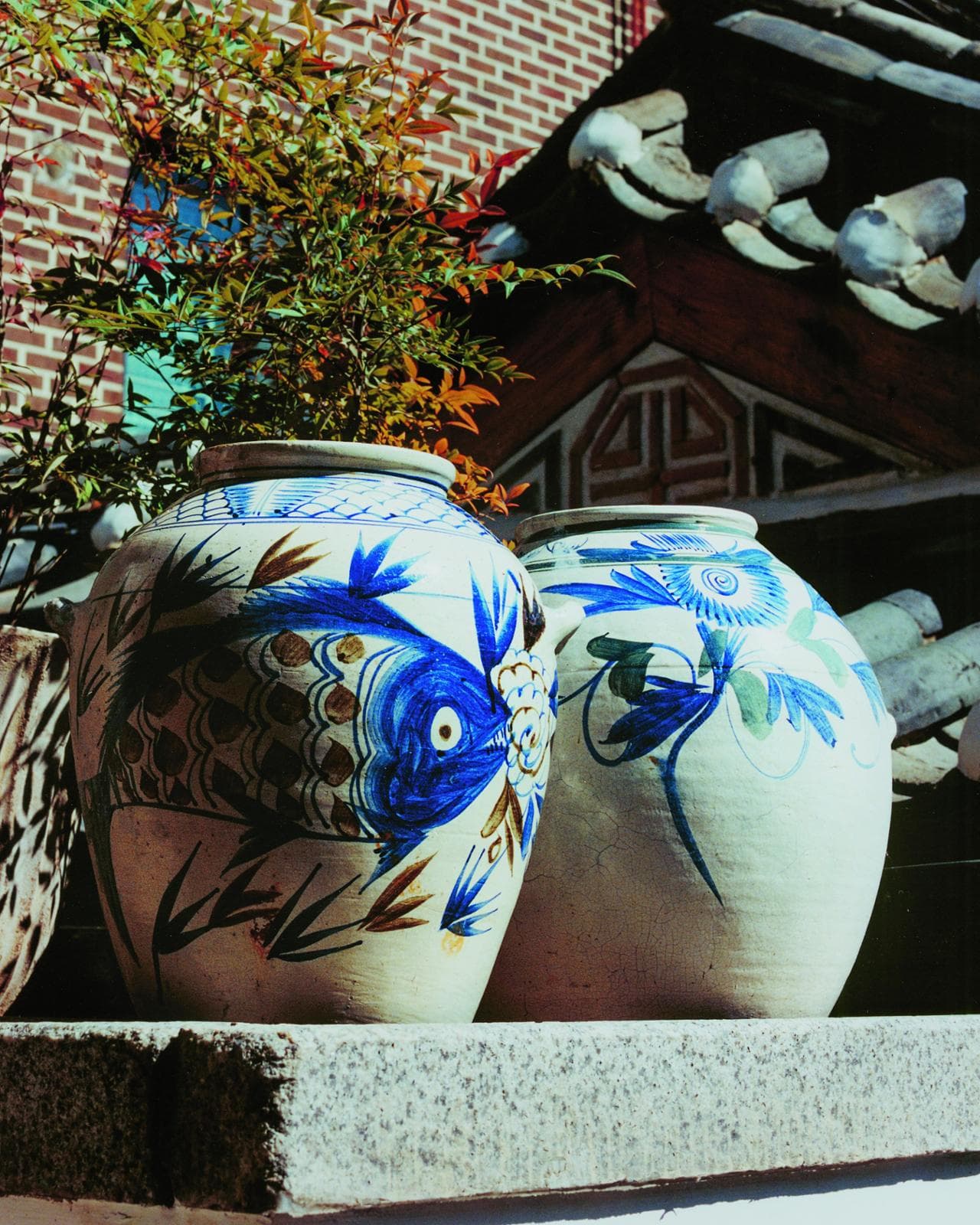
The pieces collected thus reveal the deep connection between creator, object and owner, and include works by renowned designers and everyday items categorised by function, with chapters ranging from eating and drinking to housekeeping, from relaxation to decoration, via play, dressing, rituals and preservation. The book itself is an invitation to experience this spirit first-hand, thanks to its elegant cover made of textured paper and its bespoke sewn binding.
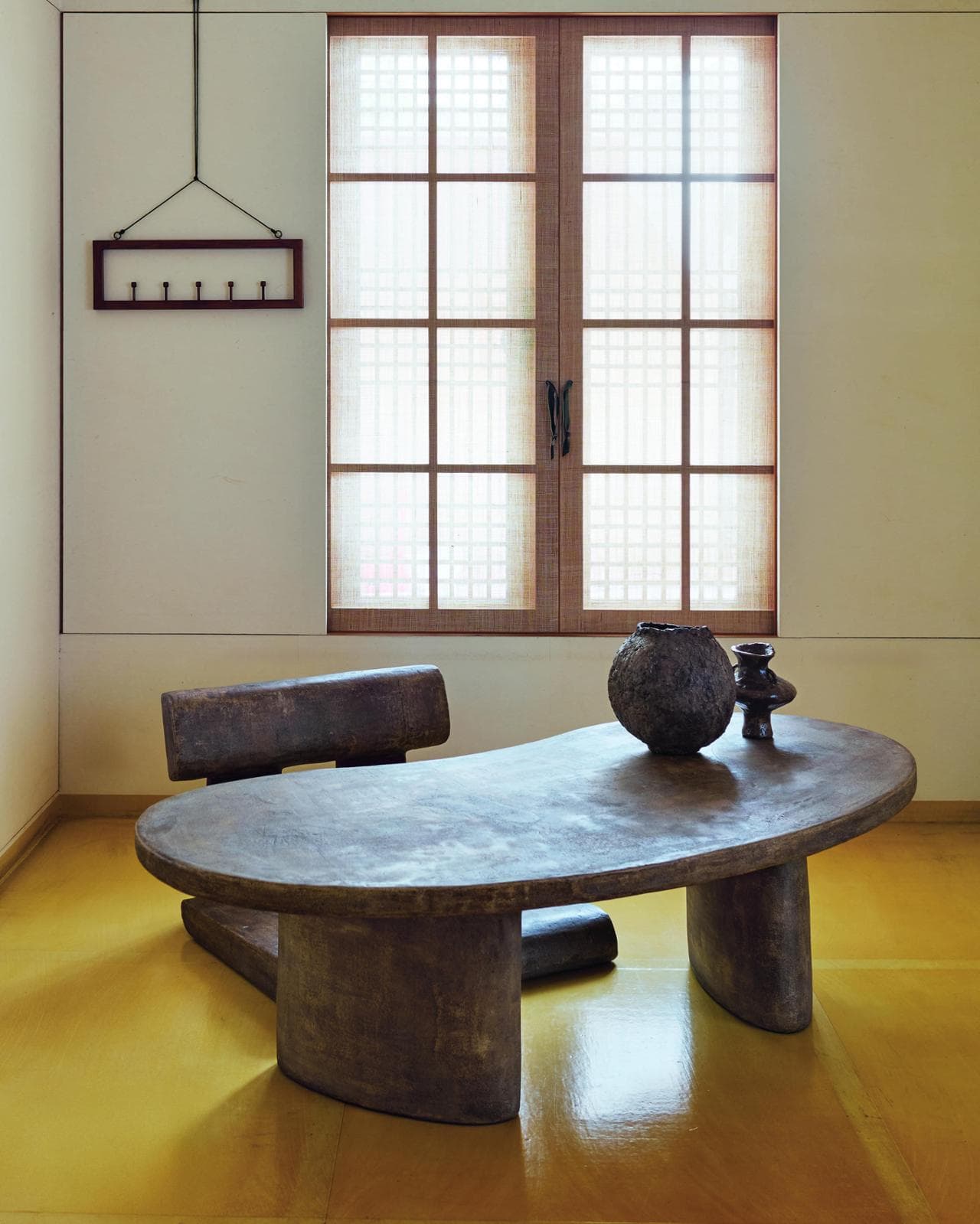
And whilst Korean culture is gaining ever greater global significance, design helps us to understand it thanks to young designers who draw on the past, celebrating its values: ‘They collaborate with the jangin, master craftsmen, creating objects using traditional techniques. They no longer look solely outwards: they are rediscovering their cultural heritage with renewed confidence, reinterpreting it and making it more accessible’. The book leads to a clear realisation: jeong is Korean “but the sentiment is universal”, Lee emphasised. And it confirms that design does not merely create forms but fosters connections.